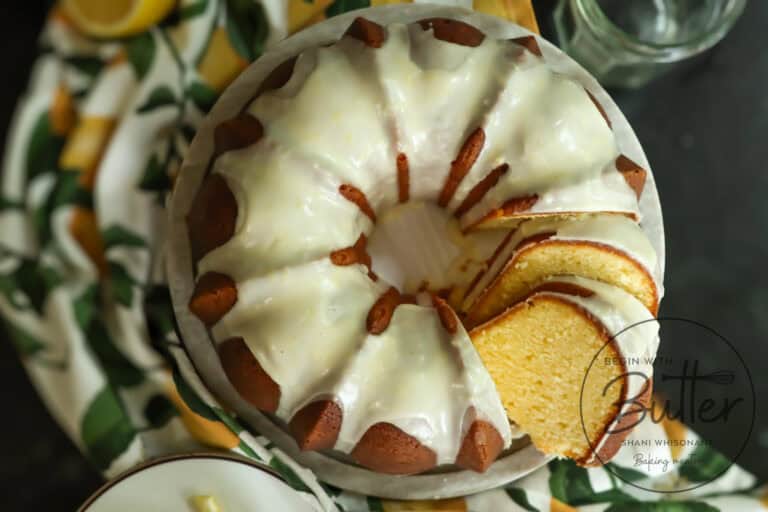
Classic Lemon Pound Cake Recipe – Moist, Buttery, and Bright

It’s the kind of lemon pound cake that whispers home before you even slice it: a fragrant cloud of real lemon and rich, buttery warmth filling the kitchen.

No neon-yellow flavorings here. Just honest ingredients — fresh lemon juice, good butter, and a method that rewards your care with a cake that stays tender for days.

This is the kind of pound cake that feels like a celebration whether you serve it plain, dusted with powdered sugar, or crowned with a tangy glaze.

The kind of recipe that settles into your recipe box and stays there, worn at the corners from happy use.

Let’s bake.
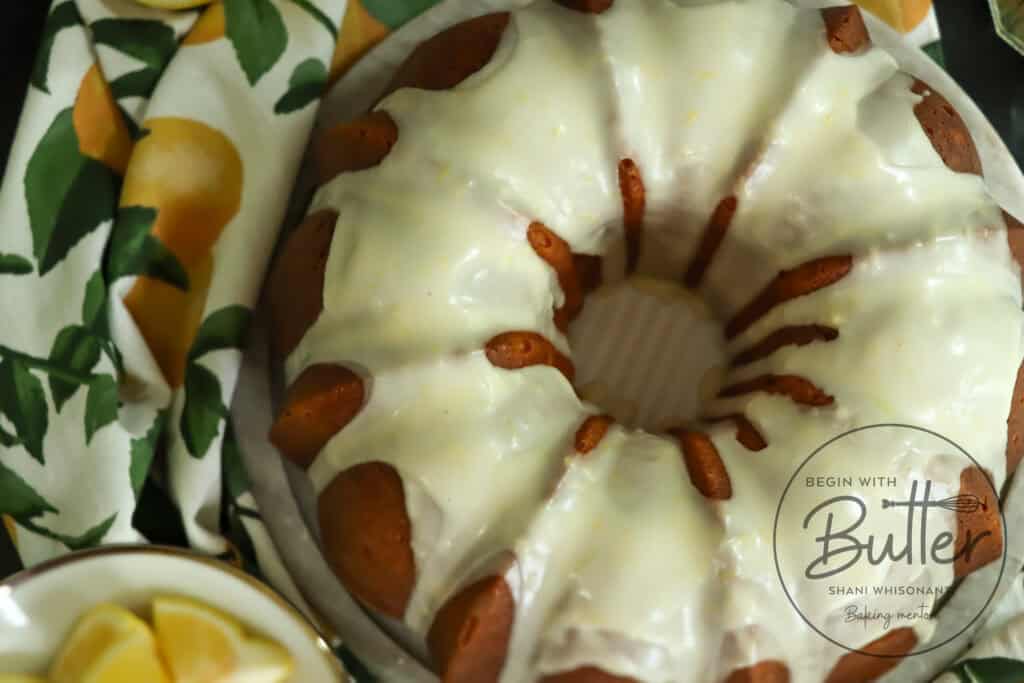
this is an overhead photo of a lemon pound cake

Recipe-At-A-Glance

Prep Time: 1 hour (total)
Bake Time: 55–65 minutes
Total Time: ~5–7 hours (includes cooling)
Yield: 12–14 slices
Key Flavors: Bright lemon, buttery crumb, tender texture
Skill Level: Beginner to Intermediate
Special Equipment: Bundt pan (or tube pan)

This Classic Lemon Pound Cake is pure sunshine in every slice — tender, richly buttery, and kissed with fresh lemon. Whether you’re baking for a special occasion or simply savoring a sweet moment, this cake brings joy with every bite.

About this Lemon Pound Cake

This Lemon Pound Cake is specifically for those who love love love lemon. It is not for the faint of lemon heart. If you’re sometime-y with lemon, then I assure you that this cake is not for you.

But those who love lemon? Who crave lemon? Whose one true pound cake love is lemon pound cake? I’ve got you. This cake has lemon at every level. In the cake. In the simple syrup. And in the glaze. And it’s not half-hearted lemon either. You will use every part of the lemon, from the zest to the juice (and the pulp if you’re really feeling frisky). You will achieve peak lemon-sugar-vanilla balance without opening your lemon extract.

This cake is that girl. When you open that cake box at your Christmas gathering this year, be prepared for a waft of lemon scent that arrests the entire room.
Lemon Pound Cake Ingredients

Lemon Juice: The cake calls for 63 grams (1/4 c) of freshly squeezed lemon juice. The simple syrup calls for 2 tbsp. The glaze? Another 2 tbsp. The lemon juice and lemon zest combo means that you will never need to use lemon extract in this cake. Please don’t use the lemon juice in a bottle. Call those kids into the kitchen. They love using a juicer and their little arms don’t get tired. 😂

Lemon Zest: You’ll use the lemon zest to make lemon sugar for your cake. The technique of rubbing the lemon zest into the sugar releases the oils from the zest even better, which gives a big boost of lemon flavor. You’ll also use the zest in the lemon glaze atop your cake.

Granulated Sugar: It goes without saying that the tartness of that lemon needs something sweet to create the perfect lemony balance. However, did you know that granulated sugar is also responsible for caramelization? That beautiful crust on the outside of your pound cake? It is largely because of the sugar in your recipe!

All-Purpose Flour: I’ve said it before and I’ll say it again: I love the pleasantly plump texture of a good pound cake, and the lemon pound cake is the reason for that. In my experience (and with my cakes), that beautiful texture comes from all-purpose flour. That particular flour is absolutely perfect for this cake.

Baking Soda: Lemons are an extremely acidic ingredient. Because of that, baking soda was the proper leavening for this pound cake.

Kosher Salt: Salt is very important in any dessert; it balances the sugar and keeps the dessert from becoming cloyingly sweet. If using table salt for this recipe, cut the amount in half. In this dessert, the sugar/lemon/salt balance teeters on a sword’s edge, but it works!
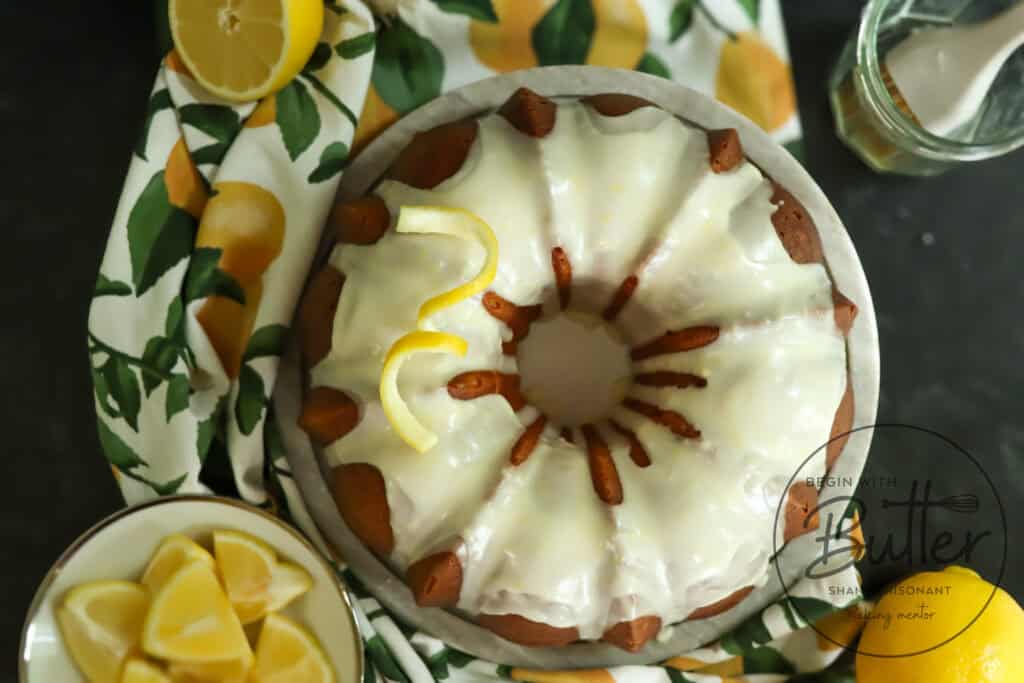
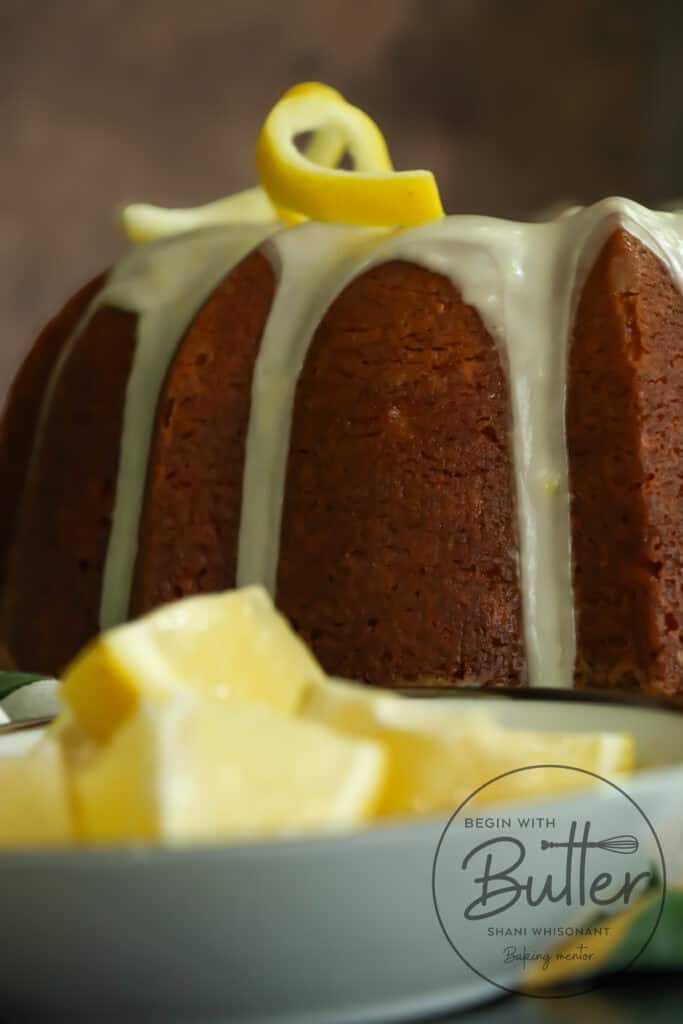
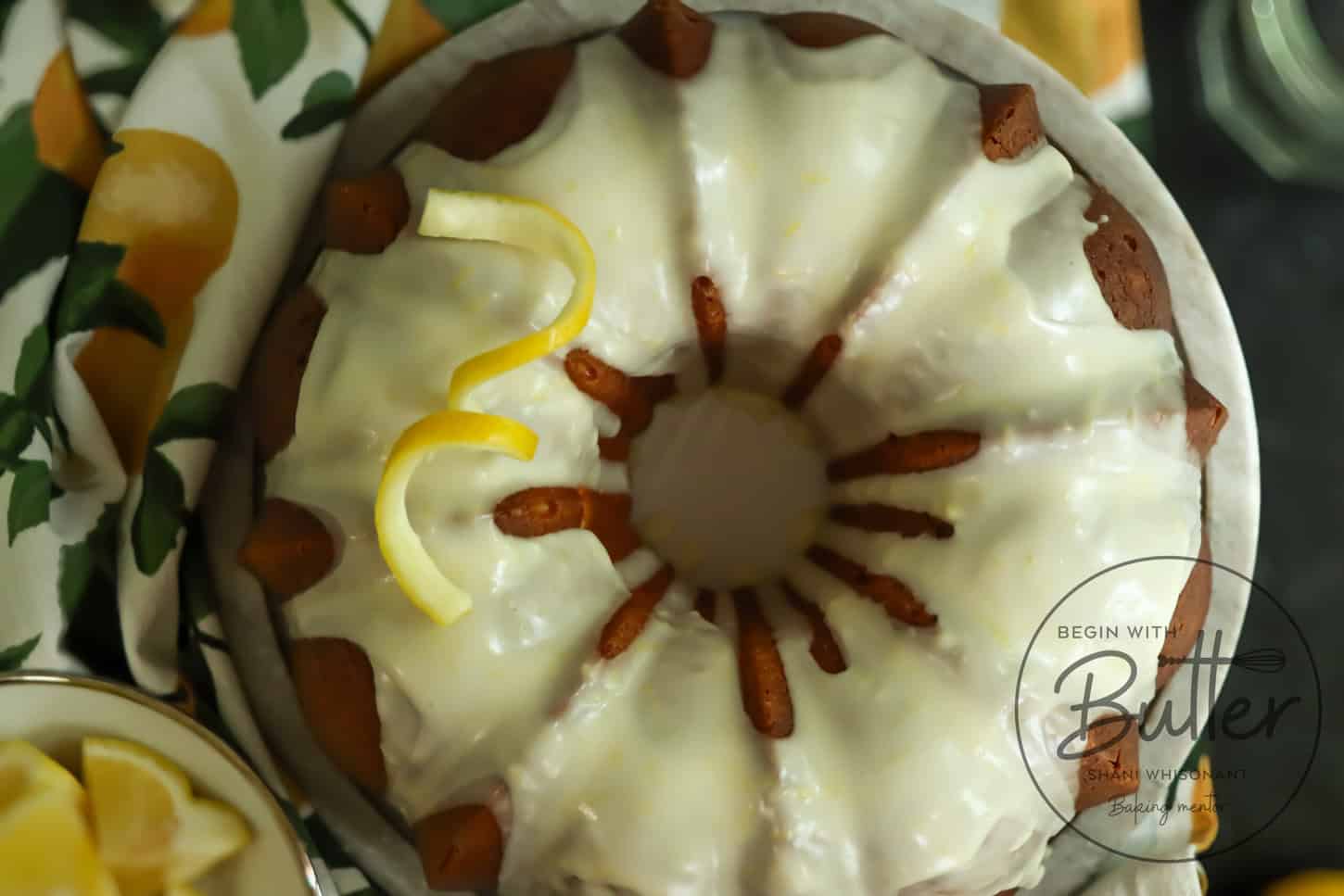
Whole lemon pound cake with bright lemon glaze on lemon tea towel.

Unsalted Butter: This particular cake has an amazing balance of sweet and tart, and it really needs salt to balance the whole thing. That being said, it’s important to really control the amount of salt in this recipe, so I’m recommending unsalted butter for this recipe. Also, butter helps this cake become lighter! Specifically, the process of creaming butter and sugar creates air pockets that assist with cake rise.

Cream Cheese: There’s a very luxurious quality to this cake that makes it different from typical lemon pound cake. It’s because of the cream cheese! That additional fat element helps give your taste that melt-in-your-mouth quality without sacrificing wonderful flavor.

Eggs: The protein in the eggs adds structure to the cake, while the fatty yolk adds delicious flavor. This recipe calls for six eggs, which might seem like a lot. Trust me, it’s perfection.

Vanilla Bean or Vanilla Extract: You can use either; this is a matter of personal preference. If you want to “tame” the lemon flavor a bit more and give a touch more complexity to your cake, feel free to use 1/2 of a vanilla bean. If you’d prefer to have the lemon flavor come through more boldly, use the vanilla extract.

Whole Milk: Yes, whole milk. NOT buttermilk. You’ll add the lemon juice to the milk, which will cause it to curdle and give it a great buttermilk tang.

Beginners Start Here

If you’re new to baking, or if you want to learn how to do some of the more tricky baking techniques, here are a couple of super helpful articles from the BwB site that will help you get set up for success with this Classic Lemon Pound Cake.

These resources are super helpful to help you build consistency and confidence on your baking journey. Happy Reading!
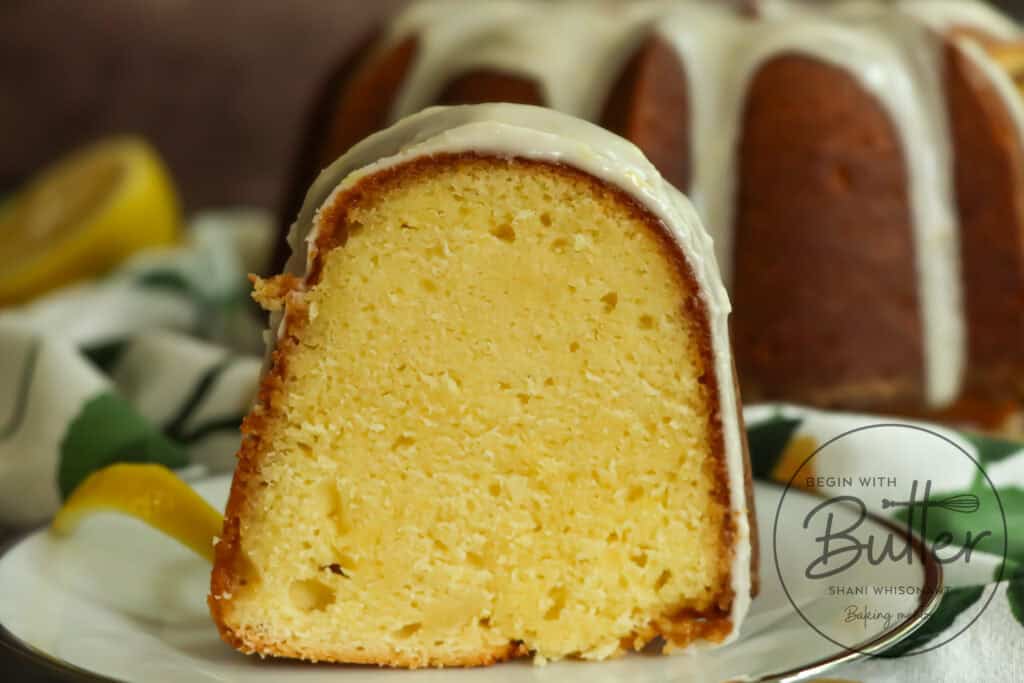
Close-up of a moist lemon pound cake slice showing tight, buttery crumb

Important Tools Used in this Classic Lemon Pound Cake

So happy to announce that Begin with Butter has its own Amazon Storefront, where you can find all of the amazing equipment that I used in this special cake! Want even more specific links? Check out the links, below.

I do get paid a commission when you purchase, but these are the tools that I use all the time in my own kitchen.

If you have these tools already, great! Think of this as a checklist to help you build the confidence that you’ll need to execute this recipe!

  • Oven Thermometer — Ensure your oven is baking at the right temperature for consistent, perfect results.
  • Digital Food Scale — Precision matters! Weighing your ingredients gives you bakery-level consistency every time.
  • KitchenAid Hand Mixer — Powerful enough for batters, gentle enough for delicate mixes.
  • KitchenAid Stand Mixer â€” My go-to for creaming butter and sugar to silky perfection.
    Stainless Steel Mixing Bowl Set — Durable, versatile, and ideal for everything from batter to glaze prep.
  • OXO Spatula Set — Flexible and sturdy — essential for folding and scraping every last bit of batter.
  • Sifter — Aerate your flour for a lighter, more tender crumb.
  • Bundt Pans — My favorite pans for flawless pound cake shapes and gorgeous caramelization.

Enjoy the recipe BBs! Happy baking, and may all of your pound cakes have perfect caramelization and beautiful lift!

Frequently Asked Questions

Can I freeze this lemon pound cake?

You can absolutely freeze this pound cake; I do it all the time. Once the cake is fully baked and cooled, brush with the cooled simple syrup. Once the simple syrup is brushed on the cake, place on a cake round, wrap the cake in plastic wrap (and freezer paper if it’s going to be frozen for more than a couple of days), and store upright in a freezer for up to three months.

You can find specific instructions for this process in my blog post, Storage Tips for Make Ahead Desserts.

Why did my pound cake crack on top?

That beautiful crack is a signature of pound cakes! As the batter rises, the top sets first — and the rest of the cake pushes through as it continues to bake. It’s a sign you’ve nailed the technique.

Why did my cake turn out dense?

A dense pound cake usually comes from too much flour or over-mixing the batter.
To prevent adding too much flour, I always recommend baking by weight instead of volume — it’s the most consistent and confident way to bake. You can find my easy metric conversion chart here.
Over-mixing can also create a tight, rubbery texture. Once you add the flour, finish mixing by hand just until combined — the goal is a tender, delicate crumb, not a tough cake!

Can I use bottled lemon juice instead of fresh?

For the best flavor, I strongly recommend using fresh lemon juice. Bottled lemon juice often tastes flat or slightly bitter, and it just doesn’t bring the same vibrant flavor to the cake.
Also, you’ll miss out on the fresh lemon zest, which adds huge, bright citrus flavor throughout the batter. The zest is what really makes this Classic Lemon Pound Cake sing — it’s not just the juice, but the aromatic oils from the peel that give it its irresistible depth.

If you bake this Classic Lemon Pound Cake, I’d love to hear about it! Leave a comment below, or tag @beginwithbutter on Instagram so I can see your bright, beautiful lemon pound cakes!

Happy baking, friends. May your kitchen smell like sunshine.
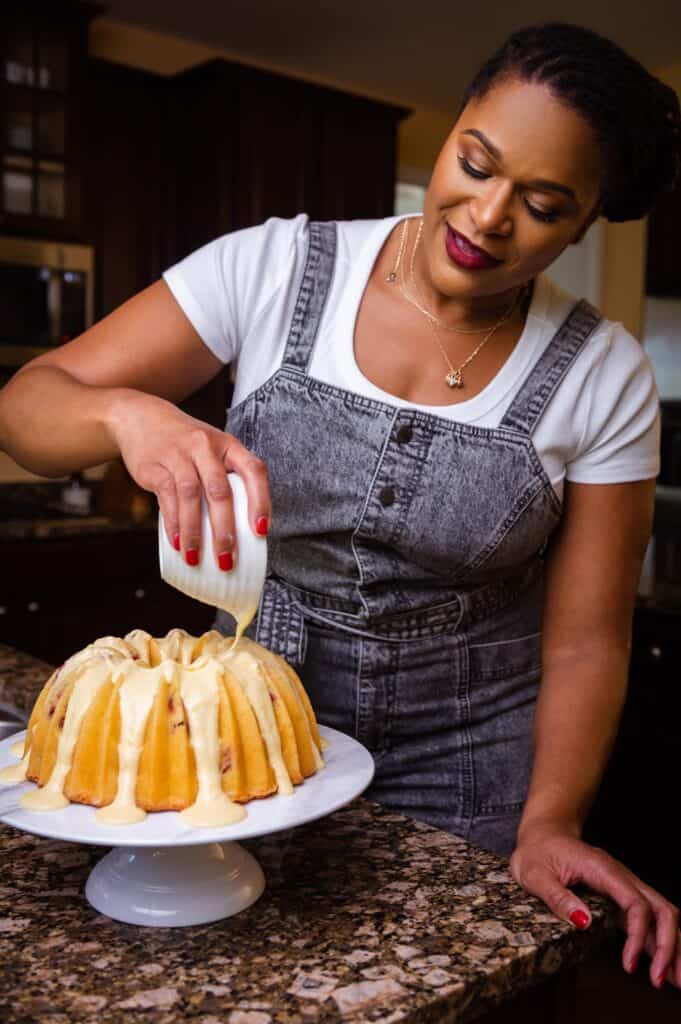
Hi! I’m Shani!

I’m the baker, teacher, and recipe developer behind Begin with Butter — and the founder of the Begin with Butter Home Baking Academy.

Here, I help home bakers build real skills — the kind that create cakes worth remembering, stories worth sharing, and traditions worth passing down.

At Begin with Butter, you’ll find cozy, tested recipes, soulful baking tutorials, and the encouragement to bake with both precision and heart.

Whether you’re just starting out or deepening your craft, there’s always room for you at this counter.
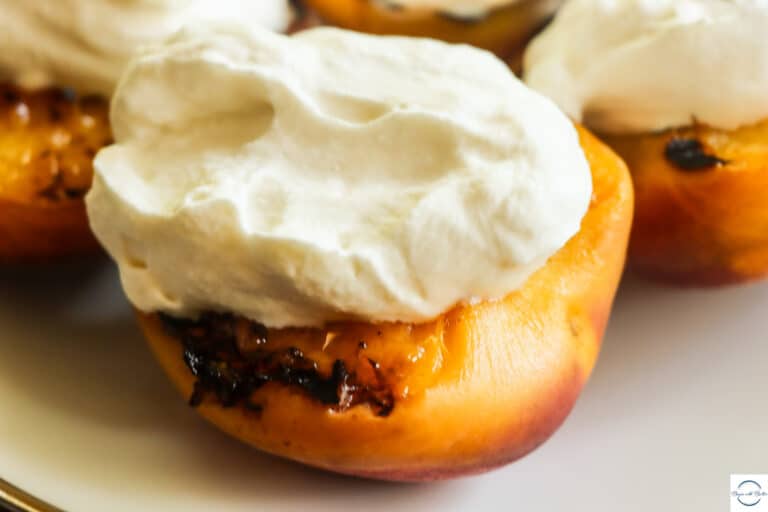
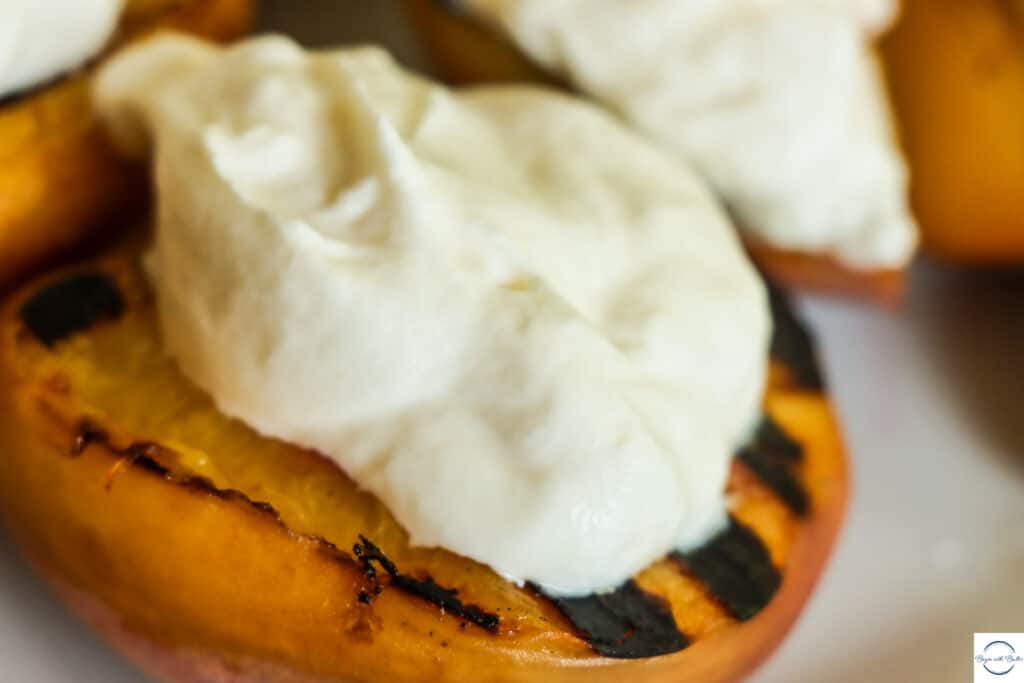
Grilled Peaches with Fresh Whipped Cream

Friends, I’m excited today to announce the start of a new initiative at Begin with Butter. I’m calling it the “Lil’ Something Sweet” series, where we’re going to be making some easy desserts that you can make in minutes! First up is one of my favorites for summertime: these grilled peaches with fresh whipped cream!

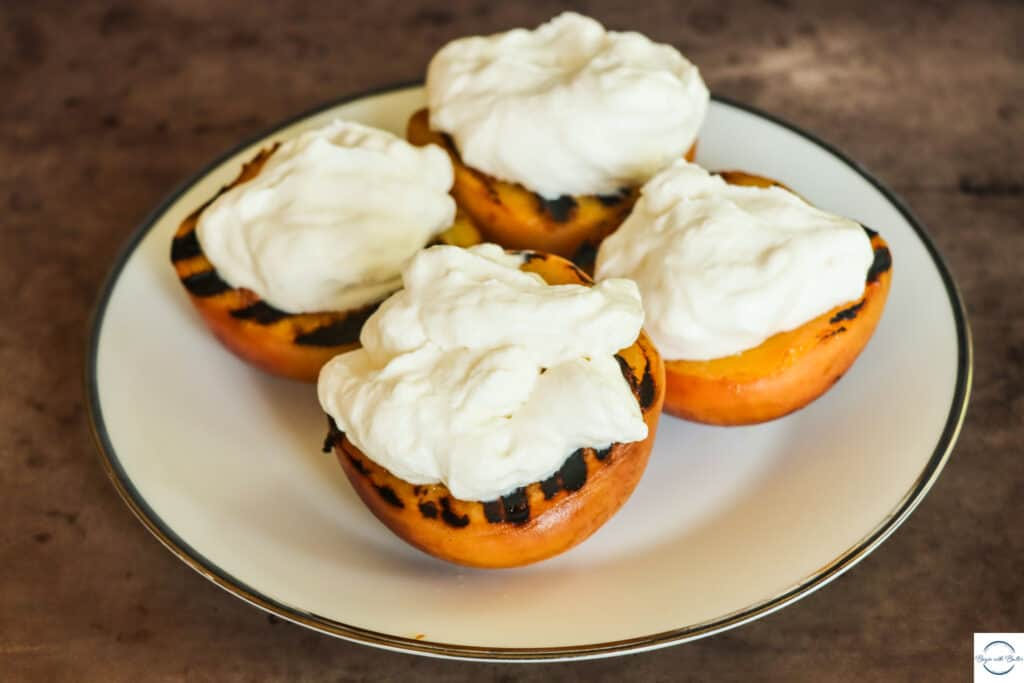
This is a picture of grilled peaches with fresh whipped cream.

The grilling process helps these peaches develop the most beautiful complex flavor and texture, and helps them reach ultimate decadence.

An Ode to My Daddy

This recipe was 100% inspired by my Daddy. When I was growing up, peaches didn’t stand a chance in our house. Whether my mother purchased them from a farm stand or a grocery store, he would hoard those grapefruit-sized peaches in his giant hands and eat them two-fisted. Any peaches that I got were purely by happenstance most of the time. Unless I happened to help my mother with groceries and I saw them peeking out of the bag. If that happened, I would grab one in both hands and run.

This is a picture of grilled peaches.

My father also had a serious thing for peach ice cream; we made it at home. My parents had a teamwork approach to making this ice cream that seemed quite cruel to me as a child.

My mother would leisurely make the ice cream base, my father would come up with the perfect mixture of ice and ice cream salt for the saltwater slush, and then us kids would nearly break our arms and dislocate our shoulders cranking out that ice cream with a hand crank ice cream maker. I had so many numb arms, Friends. But it was always worth it, because that was the absolute best peach ice cream I’ve had in my life. To this day, I haven’t found a recipe that tops my mother’s.

After making that ice cream, do you think we got to indulge? NOPE! My daddy would give us each a single stingy scoop and then declare the rest of it his. I relished those peach ice cream scoops and am not ashamed to say that I licked those bowls clean.

Apparently, when my father was young, my grandmother used to “put up peaches” for the winter. Risking a beat down, he would abscond with her put up peaches and HIDE THEM UNDER HIS BED where he could enjoy them with fresh biscuits.

Between my Peach Cobbler Pound Cake, my Peach Cobbler Muffins, and my Peach Hand Pies, I’m not sure which one he’d like most. I am sure that he’d taste-test every single one thoroughly before making a decision, though.

Y’all. My Daddy had a serious thing for peaches. So this recipe had to be perfect.

About these Grilled Peaches with Fresh Whipped Cream

For a girl who loves a fresh peach, this is a huge deal. Anything that heightens the taste of summer’s perfect fruit is a win in my book. And the grilling process-without any additional help from any seasonings whatsoever-actually improves the flavor. It seems impossible but it is entirely true; peaches actually taste better with a little char because it brings out the natural sugars in the fruit.

If the grilled peaches weren’t enough, I have found a whipped cream with the *perfect* amount of sweetness to complement the beauty of these late-season peaches. With these grilled peaches, you don’t want a whipped cream that is too stiff or too sweet. Too stiff and the texture of the dessert gets lost. Too sweet and the taste of the peaches gets lost. For the whipped cream, you want just a kiss of additional sweetness and a touch of salt to balance the dessert. A luxurious soft-whipped cream is perfection here.

It all comes together in less than fifteen minutes, and can be served with any late summertime meal! It is truly perfect for a special dinner al fresco with friends, or a Tuesday when you want a “lil’ something sweet.”

How to make these Grilled Peaches with Fresh Whipped Cream

When I say that this dessert can be done in fifteen minutes, it can absolutely be done in fifteen! However, as my friend Hammed from The Prince Eats says so eloquently all the time, “the meal is won in the prep.” Same concept with dessert. While I talk about mise en place all the time, to execute this dish in fifteen minutes, you’ll really have to have things ready to go!

What does it mean to have things ready to go? It means having a stainless steel bowl and balloon whisk chilling in the freezer. It means having very cold heavy whipping cream that comes out of the refrigerator immediately before you use it. It means having salt, confectioner’s sugar, and vanilla out, measured and ready to go. It means a preheated grill and clean yellow peaches (this recipe doesn’t work nearly as well with white peaches).

This is a picture of grilled peaches with fresh whipped cream.

And that’s it. You could actually skip chilling the bowl and balloon whisk, but this dessert comes together much faster if you do this step. And Friends, you’ll want this dessert to come together fast.

The Grilled Peaches

To start, you’ll warm your grill to about 350°F-375°F, or warm your cast iron grill plate over medium heat on the stove. If you cook these peaches too high and fast, you could make them bitter, and that would be a shame.

It doesn’t matter if you’re using gas or charcoal, and friends, I’m not entering that debate. I am completely lazy when it comes to grilling, so I use gas. That is not to say that gas grillers are lazy. I speak only for myself.

While the grill is preheating, cut your clean peaches in half. To get the best halves, slice lengthwise with a sharp knife (be careful!) around the entire peach pit. Then twist! One side will likely have the pit in it. Make sure you remove the entire pit with either a sharp knife or spoon. Some peach pits will split a bit when you cut into the peach, so make sure to grab the small pieces that may have broken off!

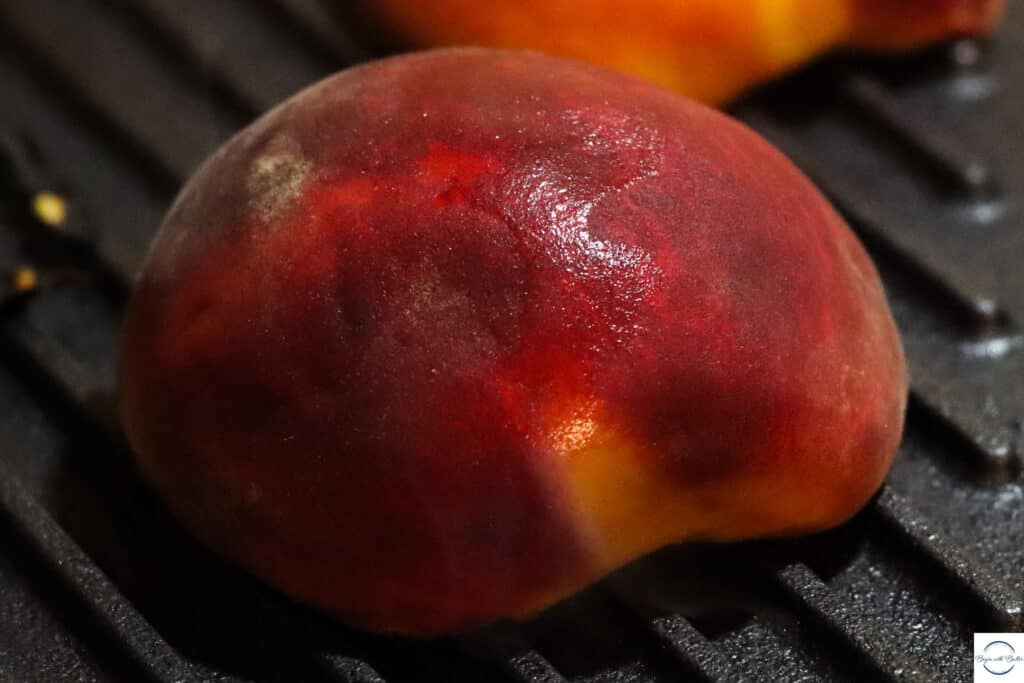
Once the grill is preheated, place the peach halves, face down, on direct heat and close the grill lid. You’ll want to use tongs to check them at about the 6-8 minute mark. You’re looking for a reddish color (we definitely want yellow peaches for this recipe!), and some char marks. If you want to get really fancy, you can rotate the peaches halfway into the cooking time to get crosshatch grill marks. Grilling may take anywhere from 6-10 minutes, depending on the actual heat of your grill.

The peaches are finished when they have turned a deeper golden color and they are lightly charred. You want them to soften a bit from the grilling process, but you don’t want them to turn to mush.

The Fresh Whipped Cream

Once the peaches are done, it’s time to make the whipped cream. I said what I said, Friends. Don’t make the whipped cream before the peaches are finished. The peaches need to cool slightly anyway, so this is the perfect time to set them aside and make your whipped cream. Plus, if you’re entertaining, this is the ideal time to show off for your guests.

To make the whipped cream, add the cold heavy cream, tiny pinch of fine salt, and the confectioner’s sugar to your chilled bowl. Stir gently with the chilled balloon whisk to combine.

NOTE: you can absolutely do this step with a hand mixer or stand mixer if you’d like!

Once all of the ingredients are combined, whisk gently until it starts to thicken, turning the bowl with your non-dominant hand to make sure that everything gets combined evenly. Whisk gently, making sure to keep your wrist, elbow and shoulder loose. You don’t want to injure yourself making whipped cream!

At the beginning, the heavy whipping cream will be very loose and milky, but as you continue working with the balloon whisk, you’ll start to notice the *slightest* resistance as the cream begins to thicken. Keep going, remembering to keep your wrist, elbow and shoulder nice and loose.

Whip the heavy cream until it is a loose, floppy whipped cream texture (about 4-6 minutes total, but it might not take that long). Add the vanilla and whip for another 30 seconds or so at a leisurely pace. The heavy cream for this recipe is intentionally soft, because I love the texture of the soft whipped cream against the grilled peach. But if you want a stiffer whipped cream, just keep working that balloon whisk!

Once the whipped cream is done, place it on the grilled peaches and serve immediately. The whipped cream will melt like ice cream, and that just adds to the decadence of this beautifully quick dessert.

This dessert is so simple and special. I am absolutely in love with its accessibility and I can’t wait to make it over and over…or at least until peach season has come to an official end.

Ciao until next time!

Simple, Classic Affogato

0

Friends, I am HOOKED. Absolutely hooked on this simple, classic affogato. Because something this simple to make should NOT taste this amazing.

This is an overhead picture of simple, classic affogato

***Note: This post may contain affiliate links***

Hear me out. The key to amazing affogato is in the quality of the three ingredients involved. So, between the gelato/ice cream, the espresso, and the amaretto, the quality of the ingredients will determine whether you have meh affogato or OMG AFFOGATO.

And if I’m eating affogato, I want OMG AFFOGATO.

I have tested affogato numerous times over the past few weeks. Needless to say, I… have not been sleeping much lately. Because espresso. Because hooked. Because I love y’all.

You’re welcome.

What is Affogato?

Affogato is an absolutly delectable Italian dessert that has three simple ingredients: incredible gelato or ice cream, a shot of good espresso, and (if the kids aren’t eating it) a shot of Amaretto. It is so satisfying because it sings so many beautiful dessert notes. It is sweet without being cloying, boozy without being intoxicating* (unless you indulge in many of them…which is an actual threat), and the sweetly bitter flavor of the espresso balances perfectly all of it.

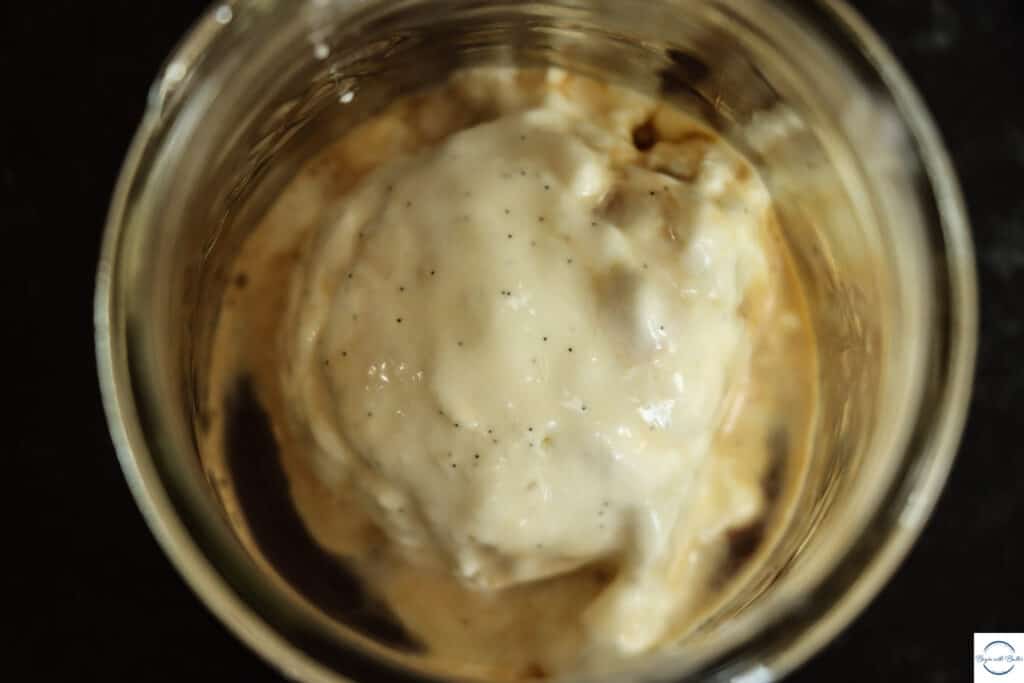
This is a picture of simple, classic affogato

My mother always wanted a “little something sweet” after a meal. Something she could make quickly that would be absolutely satisfying. If she was a coffee drinker, I am sure that affogato would have been at the top of her list.

The simplicity of this dessert cannot be overstated. But it is precisely because of that simplicity that you want to use absolutely incredible ingredients.

Simple, Classic Affogato Ingredients

Have I stressed enough that there are only three ingredients in this dessert? They are:

  • Gelato/Ice Cream
  • Good Espresso
  • (Optional) Amaretto

If you want to get really jazzy, you can add chocolate shavings, crumbled amaretto cookies, or even raspberries.

Frankly, that’s just an additional step that I’m usually too lazy to take when I’m trying to get to affogato. So, I usually dispense with it, even though I can imagine how wonderful it might be. You, however, are welcome to try the toppings and report back with your findings.

The Gelato/Ice Cream

This is where I’m going to frustrate you just a tad. Because if you don’t start with good gelato or ice cream, you’ve failed before you even start. However, you know I’ve got you! With this recipe, you’re getting an absolutely incredible recipe for my favorite no-churn Vanilla Bean Ice Cream. It’s the perfect base for this dessert. I am currently a vanilla bean fiend, Friends. I cannot get enough of any dessert that features this special ingredient.

I hear-tell that my Salted Caramel No-Churn Ice Cream works wonders in this Simple, Classic Affogato as well. Feel free to try it and report back!

How to Make the Ice Cream

To make the ice cream, First, you just have to take out the ingredients: heavy cream, sweetened condensed milk, kosher salt, and a vanilla bean. That is…truly it.

This is a picture of vanilla bean ice cream

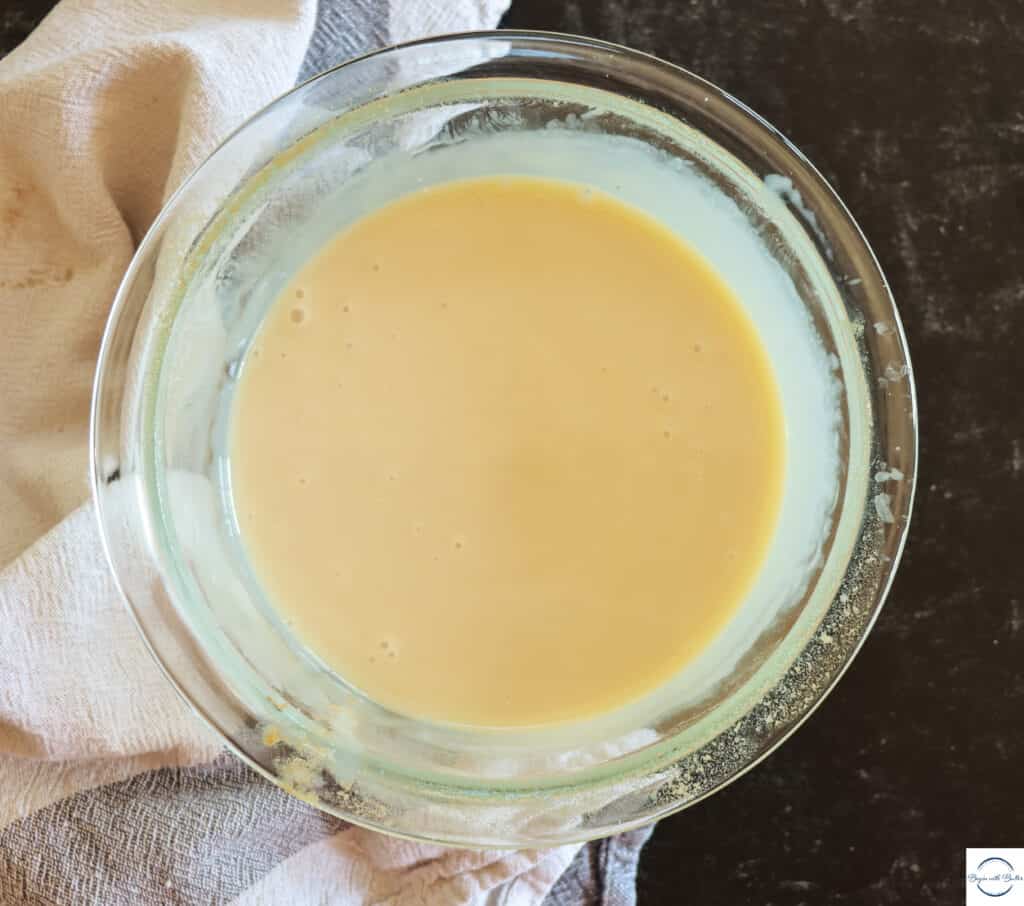
Combine the sweetened condensed milk and kosher salt in a medium bowl. Mix to combine completely and set aside.

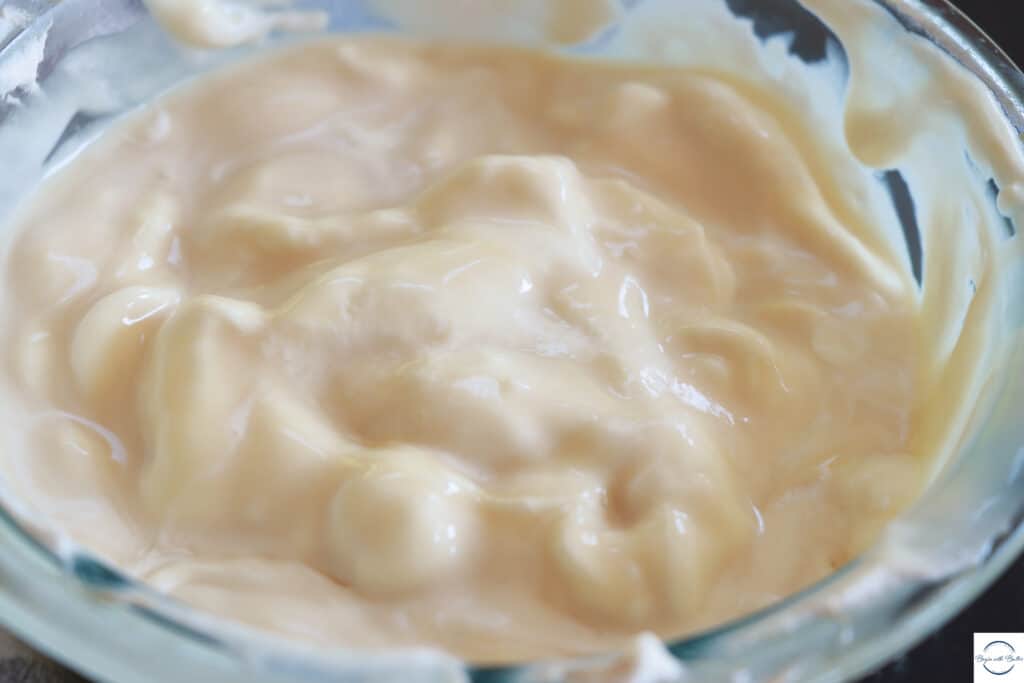
This is a picture of an ice cream base

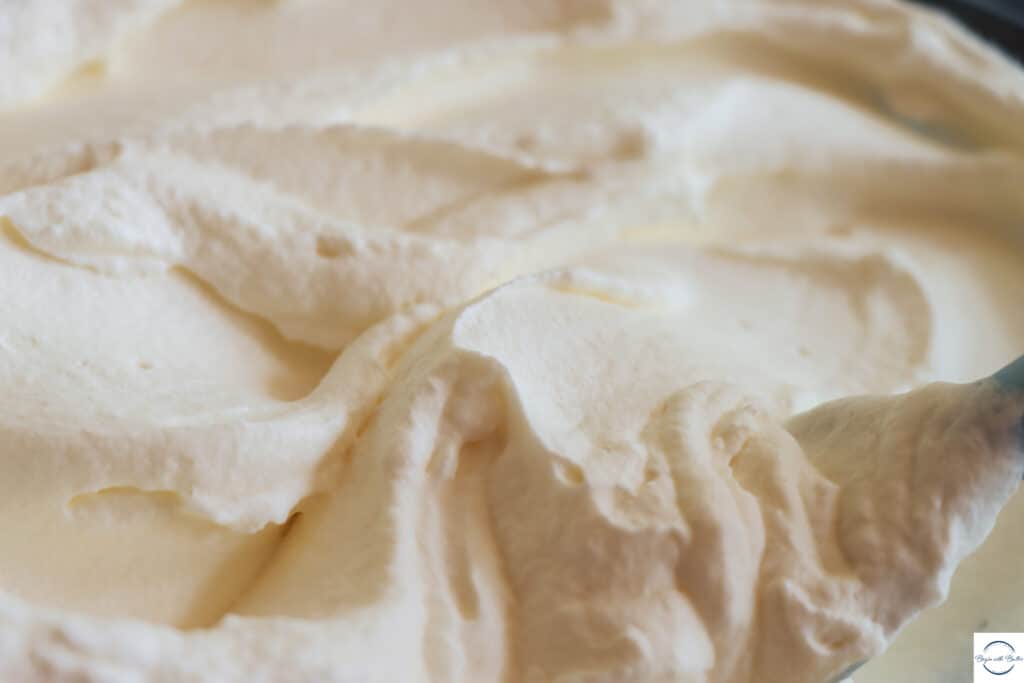
Place the cold heavy cream into a large bowl, or in the bowl of a stand mixer. Carefully cut the vanilla bean lengthwise and scrape out the vanilla beans. Add the vanilla beans to the cold heavy cream and whip the cold heavy cream to stiff peaks. It is incredibly easy to whip heavy cream into whipped cream; it typically takes 5-7 minutes with a hand mixer, and 3-4 minutes with a stand mixer.

We add the vanilla beans to the heavy cream to make sure that we get great distribution in our finished ice cream. Vanilla beans have a tendency to clump a bit, so adding them to the heavy cream prior to the whipping process gives them an opportunity to distribute beautifully throughout the finished ice cream.

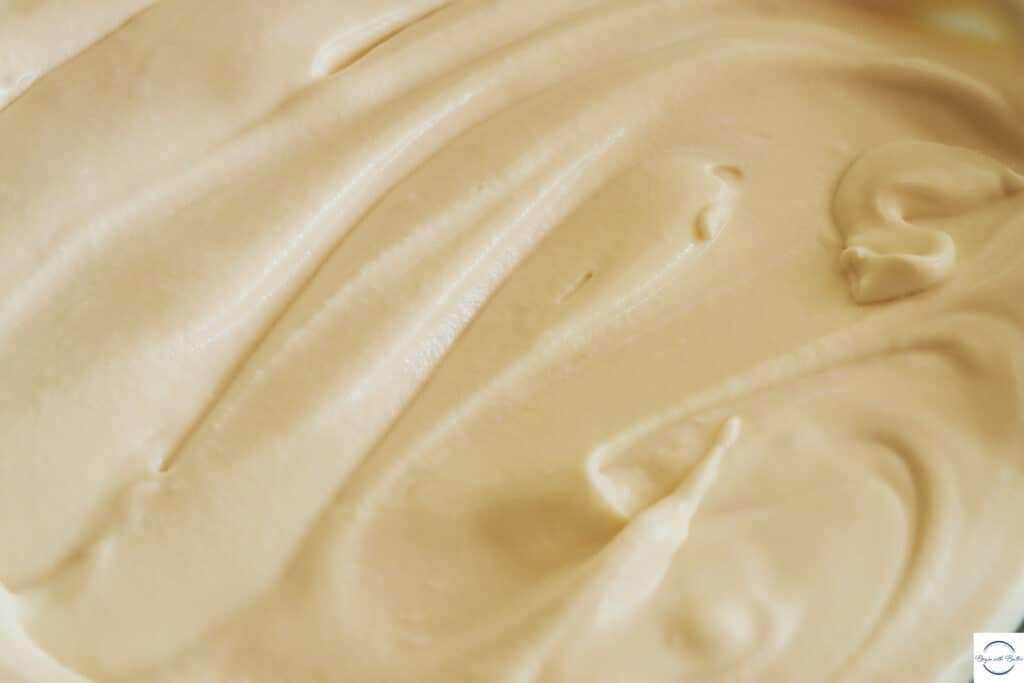
This is a picture of whipped cream

Once the whipped cream is complete, place half of the whipped cream into the sweetened condensed milk mixture and fold gently to combine. I don’t completely combine the two mixtures at this point; it’s kind of lumpy like an old futon when I move onto the next step.

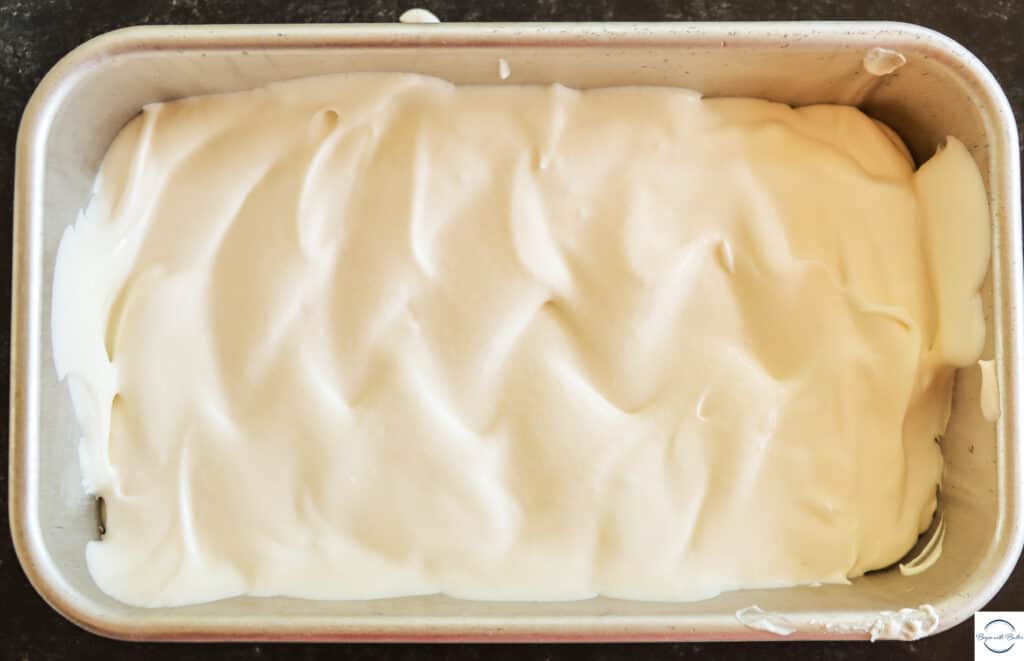
Add the sweetened condensed milk mixture back into the whipped cream mixture and fold gently until smooth. Place the ice cream into a chilled 9″x5″ loaf pan and chill for 4-6 hours.

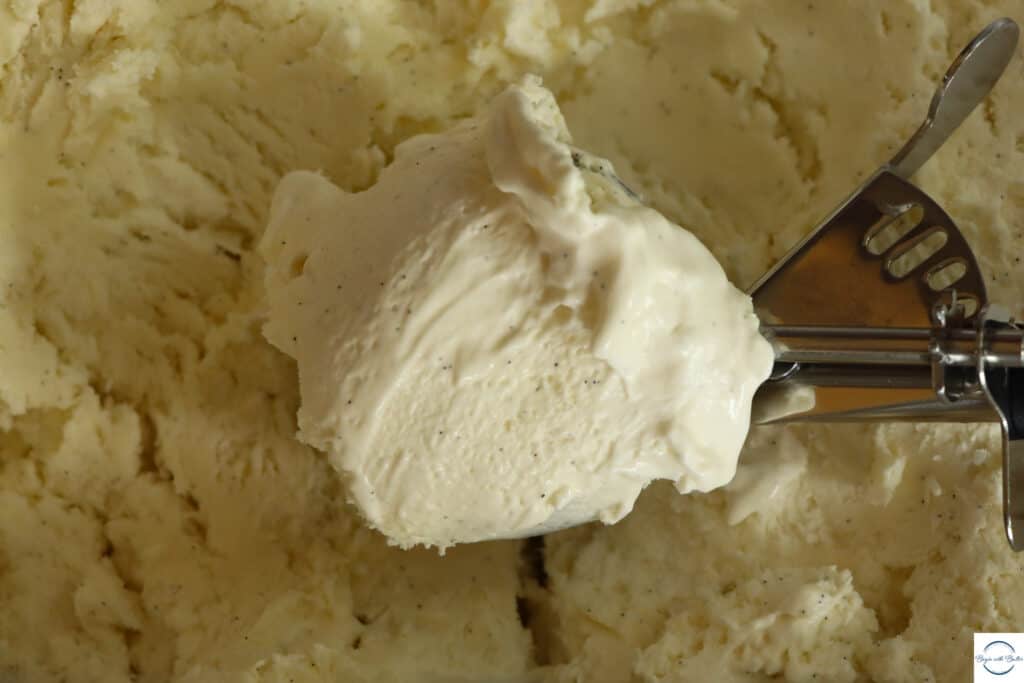
After the ice cream has set, you’re ready to make this simple, classic affogato.

Congratulations, the wait is over! It’s time for good stuff!

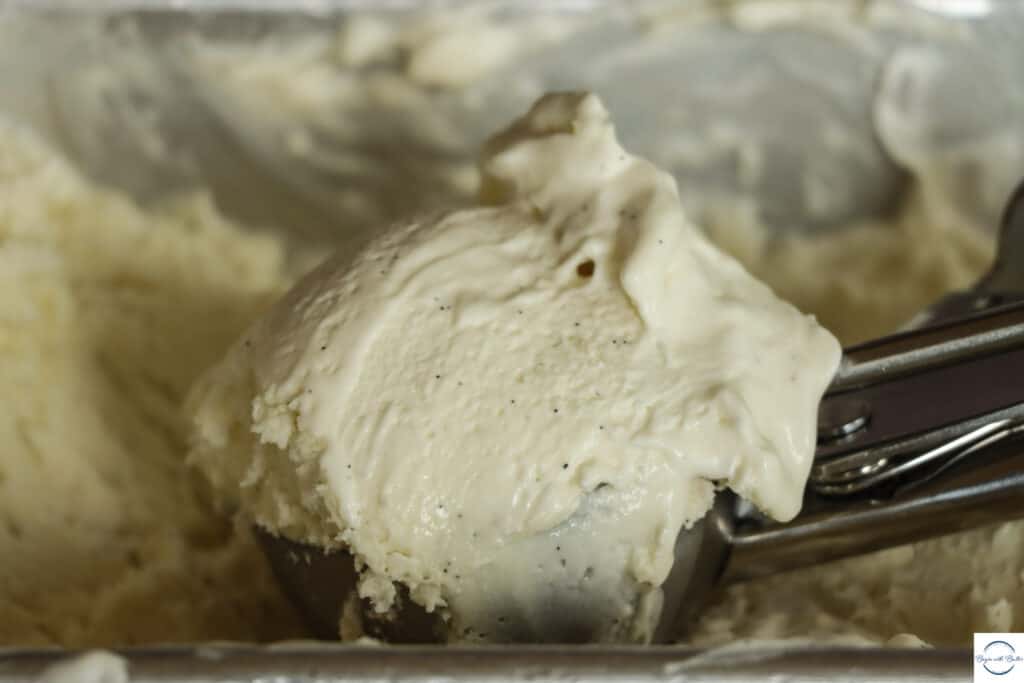
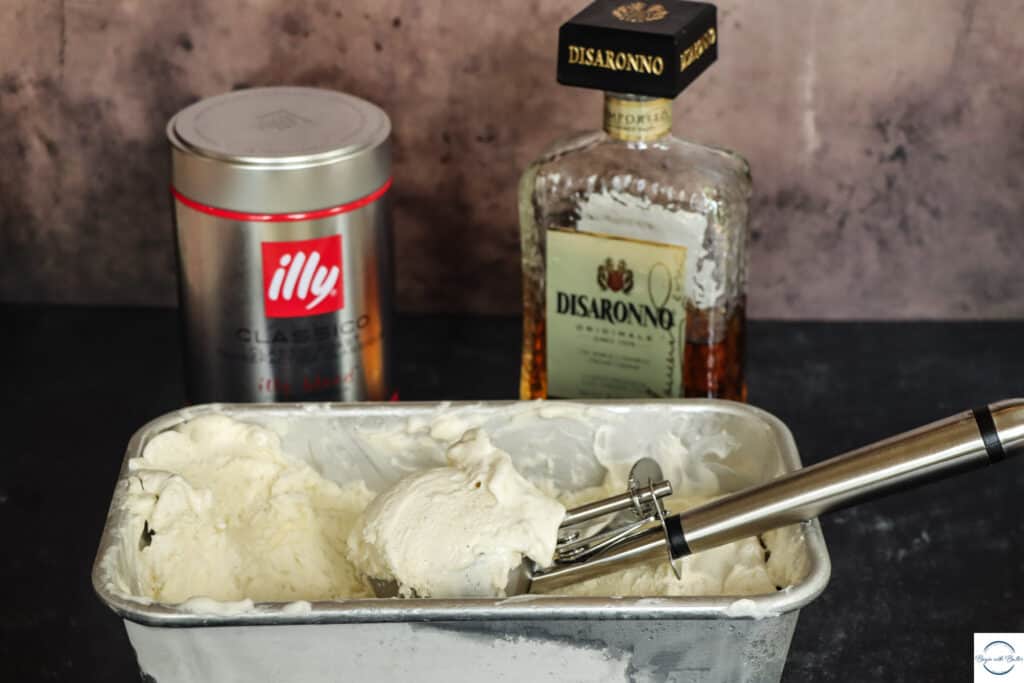
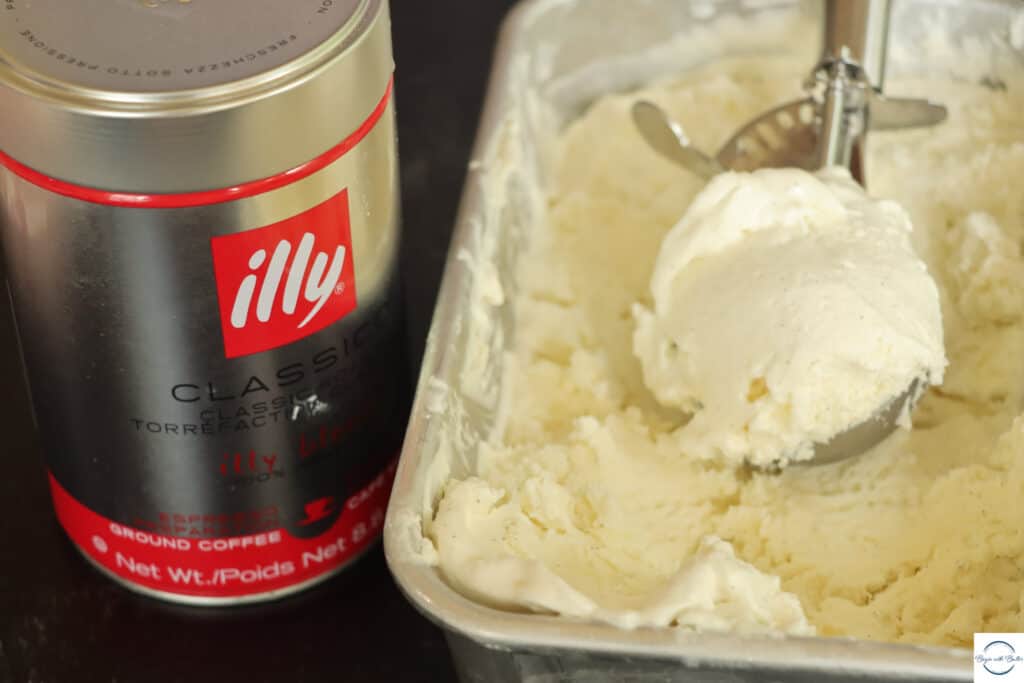
This is a picture of completed vanilla bean ice cream

To Make this Simple, Classic Affogato

Once the ice cream is set, you’re all set to make this “lil’ something sweet” for a perfect after dinner treat! And remember, you need three ingredients: ice cream/gelato, espresso, and Amaretto. Dassit.

This is a picture of affogato ingredients

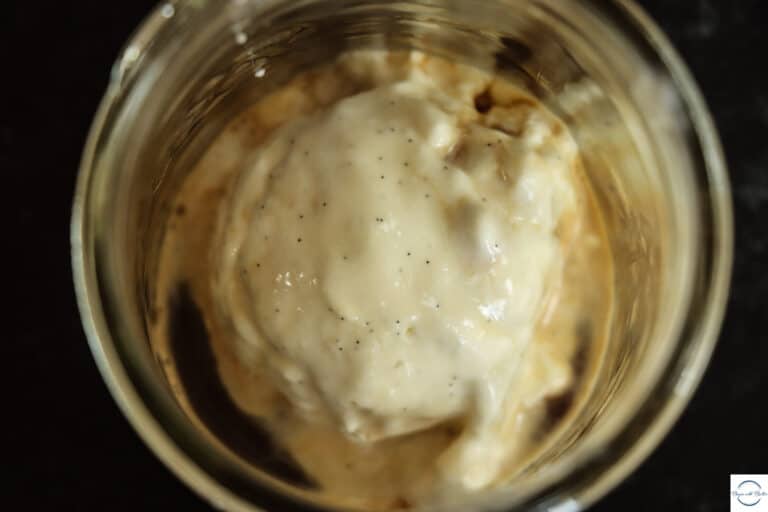
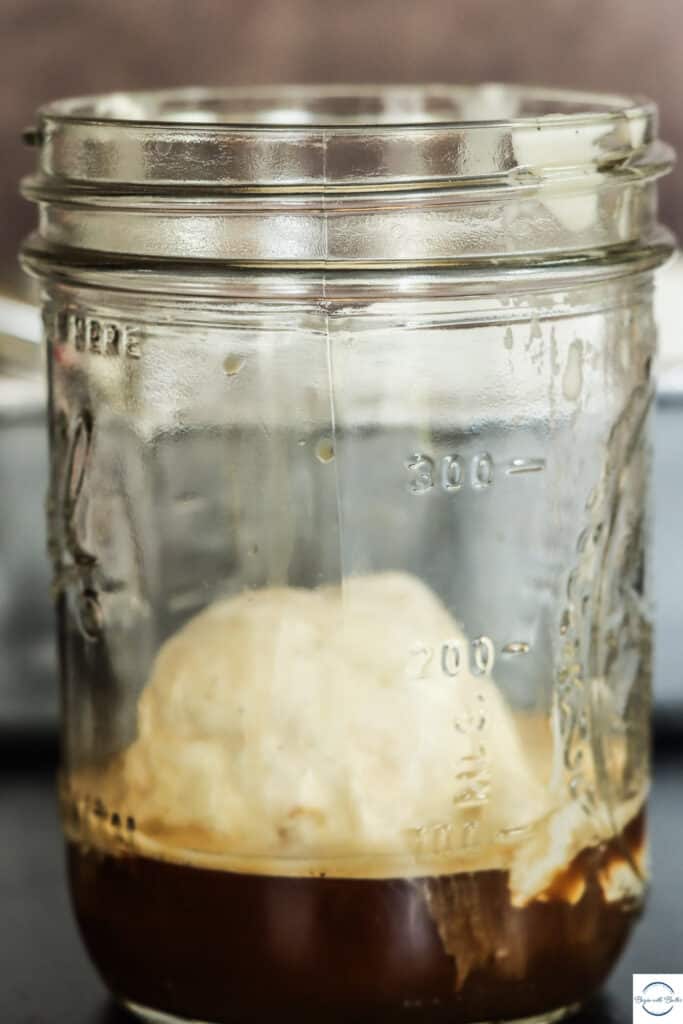
To build this dessert, first add a generous scoop of the Vanilla Bean Ice Cream to a mug or tempered glass jar. Next, add a generous shot of espresso (I like Illy for this dessert because of its commercial availability, but you can absolutely get espresso from your local Italian market), and (if you’re feeling daring) another generous shot of amaretto.

Eat this dessert just like this, or top with my friend’s favorite: crumbled Amaretto biscuits. Either way, your eyes will roll all the way to the back of your head in pure pleasure. Eat it immediately, but make sure to savor every bite. The espresso will melt the ice cream, and you will get to drink the last part of this dessert. It is truly a sensory miracle.

This is a picture of vanilla bean ice cream and illy espresso

This is one for the books, Friends, and it is incredibly easy to execute! I hope you absolutely love it as much as I do!

Until next time!

One Step That Will Improve Your Baking

Hello Friends! Welcome to summer baking! When it is too hot to turn on an oven, but we persist anyway. When our pie crusts melt right underneath us, but we stress out and make them anyway. But this is also a perfect time to work on those techniques that will improve our baking in the fall, so here we are!

I’ve been on a bit of a mission since the beginning of Begin with Butter, to help people reach their personal baking zenith. It’s the central premise of BwB really to leave you a better baker than I found you (hopefully!).

http://www.ashleighbingphotography.com/

Today, I want to reiterate that there is one technique that, if done correctly, will dramatically improve your baking almost instantly.

What is that step, you ask?

Creaming butter and sugar properly.

In this Post

This, Again?

Yes. Again. Because this oft-overlooked technique is an important key to your baking success. If you want to see the original post about how to execute this fundamental technique, take a look right here! You can read about it, see photos of it, and even watch two different videos.

I…like to be thorough.

Today’s post is more about why it’s important, as well as a deeper dive into how to increase your chances for success with this ultra-important technique.

Y’all. I am on a crusade. Because this is one of the most important keys to good baking.

Why It’s Important

When we cream butter and sugar together, we’re doing a couple of things:

  1. We are combining the butter and sugar to make a cohesive base for our cake batter or cookie dough; and
  2. We are filling this mixture with air, to help with the rise and texture of the finished product.

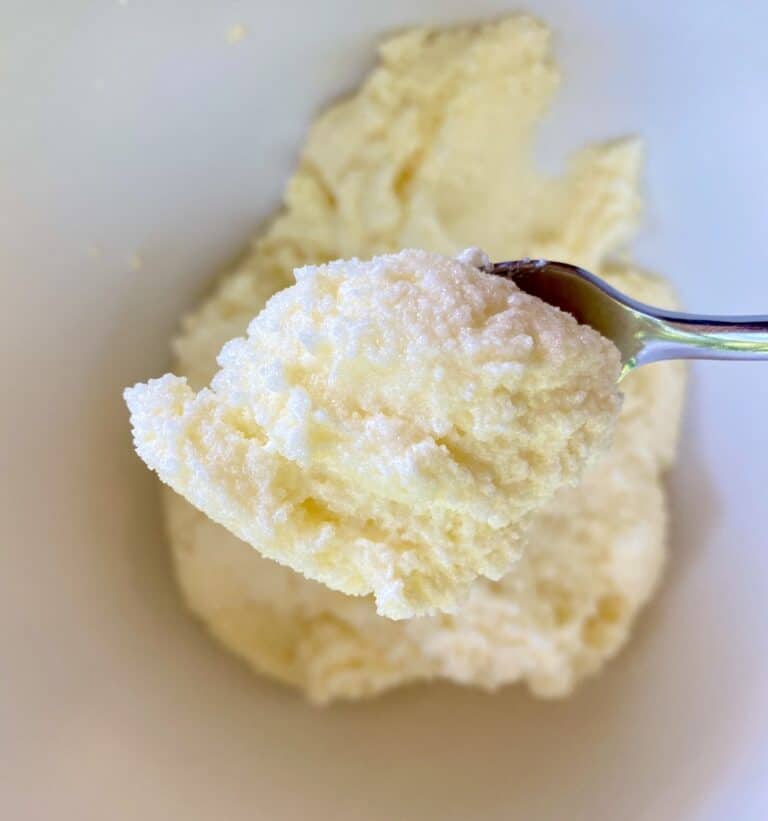
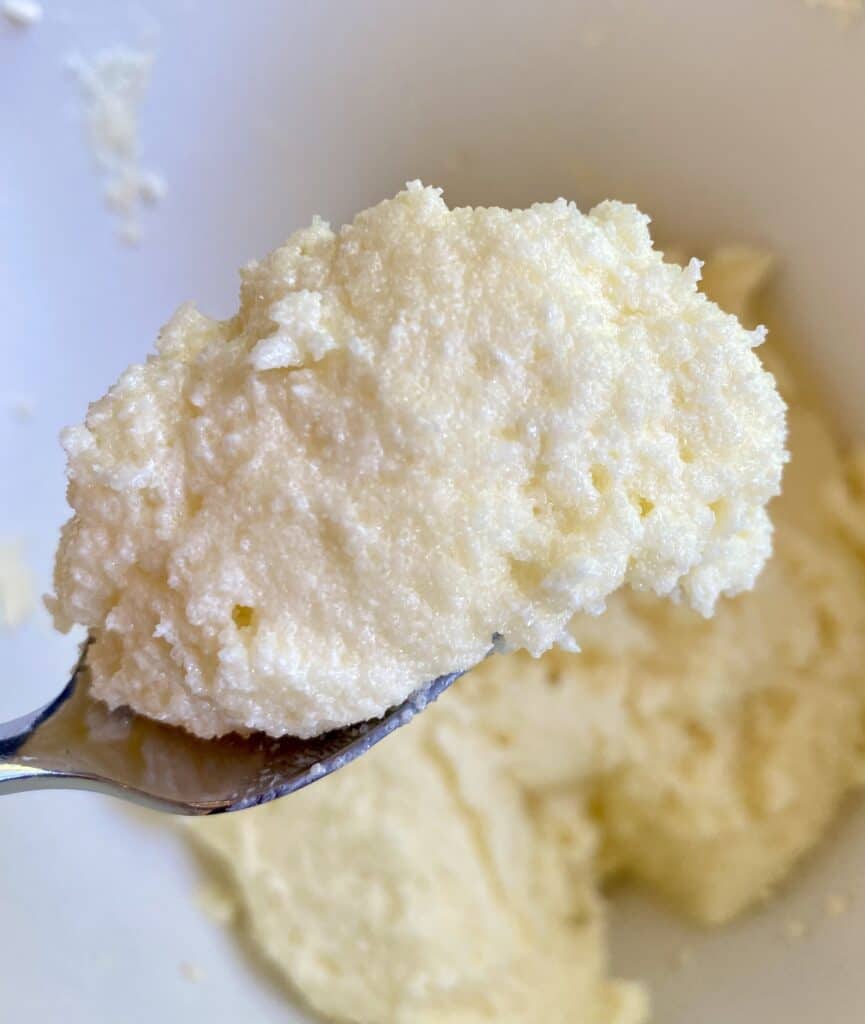
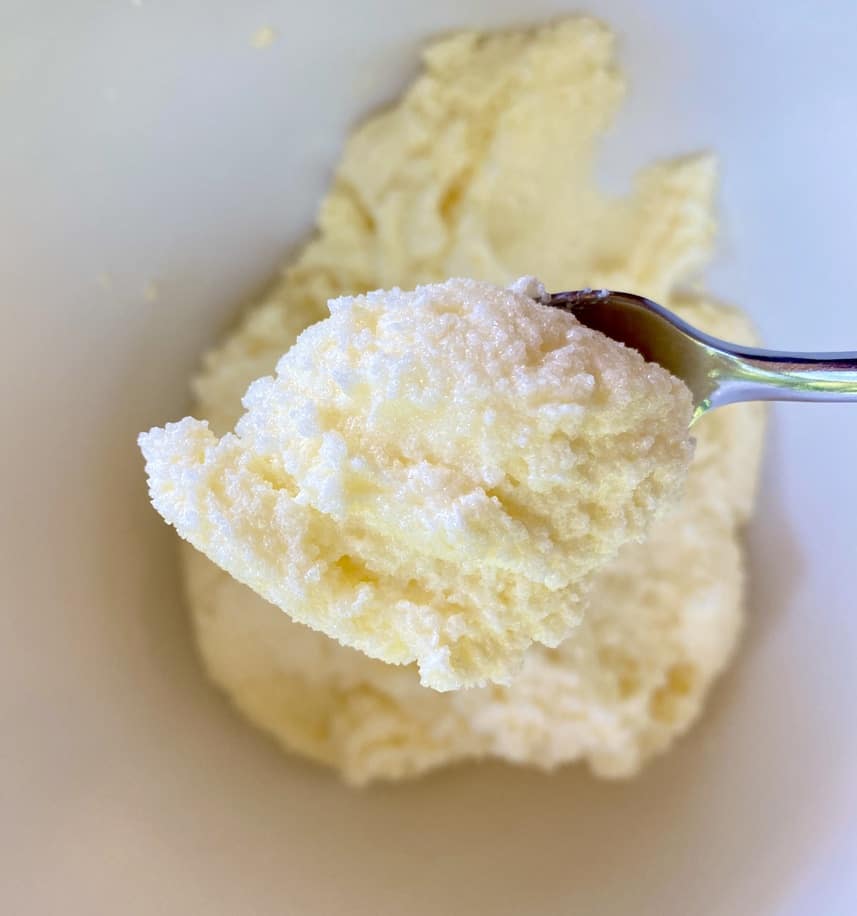
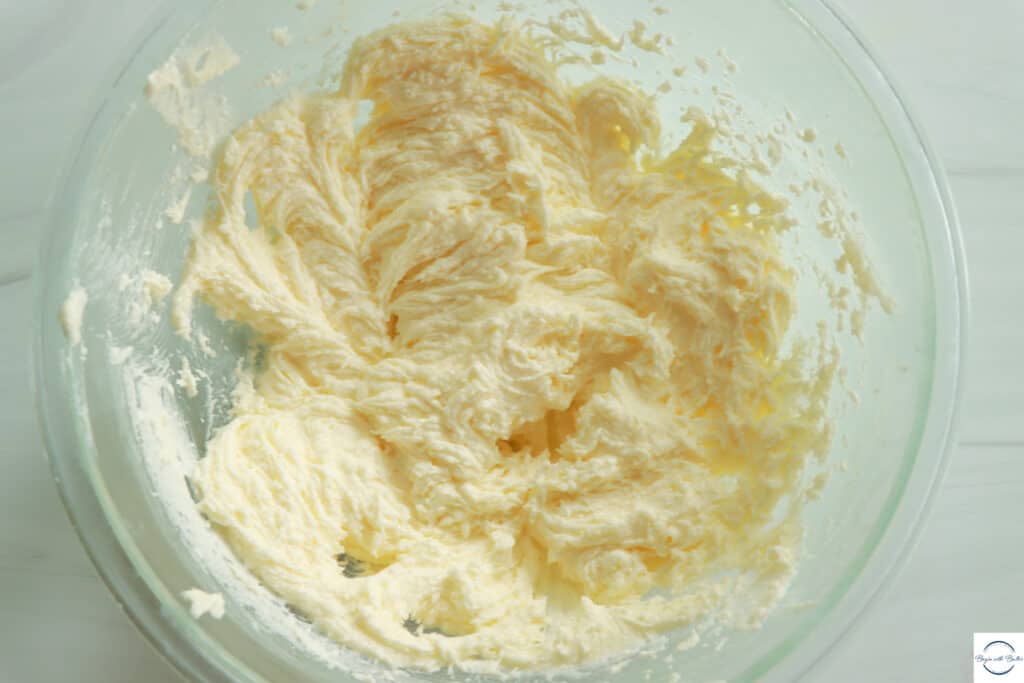
When I say that it should be creamed properly, this is what I mean:

“Alexa, play ‘Isn’t She Lovely’ by Stevie Wonder.”

Or this…

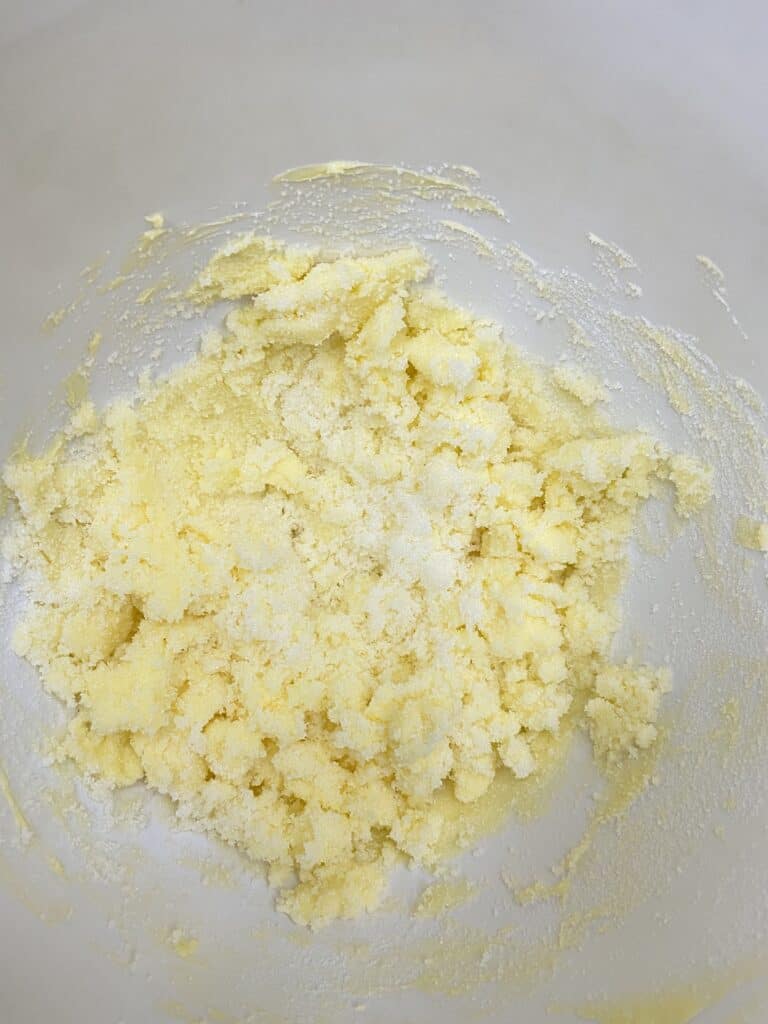
And I am NOT talking about this:

The third picture is completely different from the first two. While it’s the same batch of butter and sugar from the other two pictures, it’s still quite crumbly, and the butter itself is still very yellow.

What’s the Difference and Why Does it Matter?

The third picture is what many people mistake for “creamed” butter and sugar. They start adding their eggs when the butter and sugar are still crumbly, and it’s a huge mistake to do so. Because you’re not going to get the full, glorious impact from the technique, and that’s a shame.

When you cream butter and sugar together properly, you’re creating tiny air pockets where the carbon dioxide from your leavening can get all snuggly. That’s what creates the biggest boost of rise in your cakes and cookies, and helps give you a tremendous texture, or crumb.

Properly creamed butter is: 1) much more voluminous than it was in the beginning; 2) fluffy like a cumulus cloud; and 3) substantially lighter in color than the yellow butter that you started with.

Need a refresher on the actual technique for creaming butter and sugar? I’ve got you! Click here for the blog post, click here to watch a video on how to do this technique with a stand mixer, and click here to watch a video on how to do this technique with a hand mixer.

Now that we know why it’s important, I want to share how to get the best results from this technique.

Start With Just the Butter

I’ve recently (within the last couple of years) started the creaming process by just mixing the butter until it is completely smooth. I am now a full convert to this part of the technique.

I said before that the whole point of creaming butter and sugar together is to force air into your batter or dough. That that impacts the rise of your baked goods during the baking process, and ultimately the texture of your finished product. I’ve found that starting by smoothing the butter all by itself enhances this effect because it forces even more air into the final creamed butter and sugar. And this, Friends, is good.

Adding the sugar to already-smooth butter helps distribute the sugar more evenly, which means an even more uniform mixture during the creaming process. With good technique, that means that the whole mixture will end up uniformly fluffy and perfect.

How Long Does it Take to Properly Cream Butter and Sugar?

It can take anywhere from 2-10 minutes, generally, to properly cream butter and sugar. This depends on a few variables:

  • Whether your butter was actually room temperature when you started;
  • The specific fat(s) and sugar(s);
  • How much butter and sugar you’re creaming together;
  • The equipment you’re using (because it will generally take longer with a hand mixer than a stand mixer); and
  • The speed of your equipment (I don’t run any mixer over speed 3 or 4 for creaming butter and sugar…there is literally no need to do that).

Stay with me, Friend, because I know you’re looking like this right now:

Your butter needs to be room temperature to start. This is the most important step.

Starting with room temperature butter is of paramount importance for this technique. By “room temperature”, I mean that your mixer beaters should go through your butter very easily without any force. This generally happens for butter that’s been left out for at least an hour.

Starting with cold butter will make it extremely difficult to get the proper fluffy texture in your creamed butter and sugar. If it creams properly, it’s going to take much more effort with your mixer.

And that’s a big “if”.

Don’t worry. We’ve all made this mistake.

I forgot to take out my butter!

I’m going to share a little tip my Mommy shared with me when I was a kid. If your butter isn’t at room temperature before you start baking, put it in your bra for about 15-20 minutes while you grab the rest of your ingredients and check your recipe.

The whole point is to get body heat on the butter so that it can gently come to room temperature in a hurry without melting. If you don’t want to put it in your bra, you can also put it in your waistband. It’s a little unorthodox, but I can confirm that it works.

Of course, you want to keep it in the wrapper when you do this. But, if you forget to take your butter out of the refrigerator at least an hour before baking, putting your butter in your bra or waistband for 15-20 minutes will help get it where it needs to go.

(And by the way, your liquid and eggs should be room temperature too, but please don’t put those in your bra.)

The amount of butter and sugar matters too.

If you’re doubling a recipe, or if you’re working with a recipe that uses a lot of butter and sugar, expect the creaming process to take longer. This is just chemistry and physics at work. It will take longer to cream three sticks of butter and 600 grams of sugar than it will to cream one stick of butter and 200 grams of sugar. Expect it to take at least 2-3 minutes longer, but the other variables could make this process take even longer for large loads of butter and sugar.

Just account for this variable when you’re planning for your bake and you will be fine.

The specific fats and sugars matter too.

The specific fats and sugars definitely make a difference when creaming butter and sugar. While we often refer to butter and sugar when talking about this technique, there are actually multiple types of solid fats that we use in baking. Common fats used are butter, cream cheese, and even vegetable shortening. I often add a tablespoon or two of vegetable oil to the solid fats to give my cakes a big punch of moisture too.

Common sugars for creaming are granulated sugar and brown sugar (light and dark). We cannot use confectioner’s sugar for this step because it won’t create the needed texture. Save the confectioner’s sugar for buttercream!

Now, keeping in mind that all solid fats should be at room temperature, there is absolutely nothing like creaming butter and cream cheese together with granulated sugar. It’s my most favorite combination. No other fat/sugar combination beats the lightness and fluffiness of this mixture.

Creaming butter and brown sugar is different from creaming butter and granulated sugar. First, expect it to take about a minute or two longer to get a brown sugar mixture to a cloud-like state. That’s solely because of the molasses in the brown sugar. Also, if you’re using brown sugar, make sure to scrape the sides and bottom of your bowl more frequently. I scrape the bottom and sides three times on average for a granulated sugar mixture. For a brown sugar mixture, it’s usually at least four, if not five. Be patient with brown sugar. It takes a little more time, but it will get there. And it will be worth it.

Equipment Matters

This one is simple. A stand mixer will generally do this technique more quickly than a hand mixer. It has everything to do with power in the stand mixer, and nothing to do with technique. Expect a stand mixer to take 1-2 minutes less than a hand mixer because of the more powerful motor.

That being said, there’s absolutely nothing that teaches feel for this technique like a hand mixer. With a hand mixer, you can actually feel the moment that the butter and sugar have reached that beautiful, cloud-like texture. Unless you’re standing over your stand mixer (no judgment from me, I’ve done it too), you could miss this crucial window.

The Speed of Your Mixer Matters

A few months ago, I wrote a whole blog post about how I broke my first stand mixer. the TL;DR version is that I burned out the motor by running it too high for too long.

From that agonizing experience, I learned to slow down with my baking. There was absolutely no reason to run that mixer at that speed for extended periods of time. Running a KitchenAid stand mixer on speed 7 for creaming butter and sugar is just…outrageous. It puts way too much unnecessary stress on your motor. That wear and tear builds up over time. And if you bake all the time, you will expedite your mixer’s demise.

Since that unfortunate time, I tell my students that there’s absolutely no need to run your mixer (stand mixer or hand mixer) above speed 3 or 4 to cream butter and sugar. Indeed, you can get through an entire mixing process at this speed. Save your mixer and your sanity and go slowly.

Now…Go Forth and Bake!

Friends, I hope you’ve found this blog post exceedingly helpful for learning about this important baking technique. Mastering this technique taught me that I could be a legitimate baker, and it improved my baking instantly. I hope that it does the same for you.

Until next time!

My Favorite Summer Pound Cakes

Summer is the perfect time to celebrate the season’s bounty with an amazing selection of summer pound cakes. And if you’re here…you know that we have pound cakes (also called bundt cakes) in spades.

These charming and elegant cakes are perfect for any occasion, from backyard barbecues to brunches, to adorable evening garden parties. Bursting with vibrant flavors and adorned with seasonal decorations, summer pound cakes are a true delight for the senses. Check out this collection of irresistible recipes that will elevate your summer gatherings to new heights.

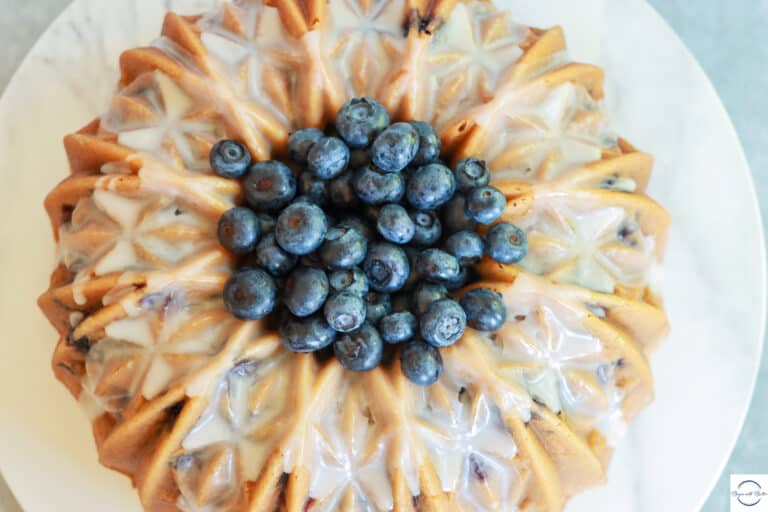
Chai Lemon Blueberry Pound Cake

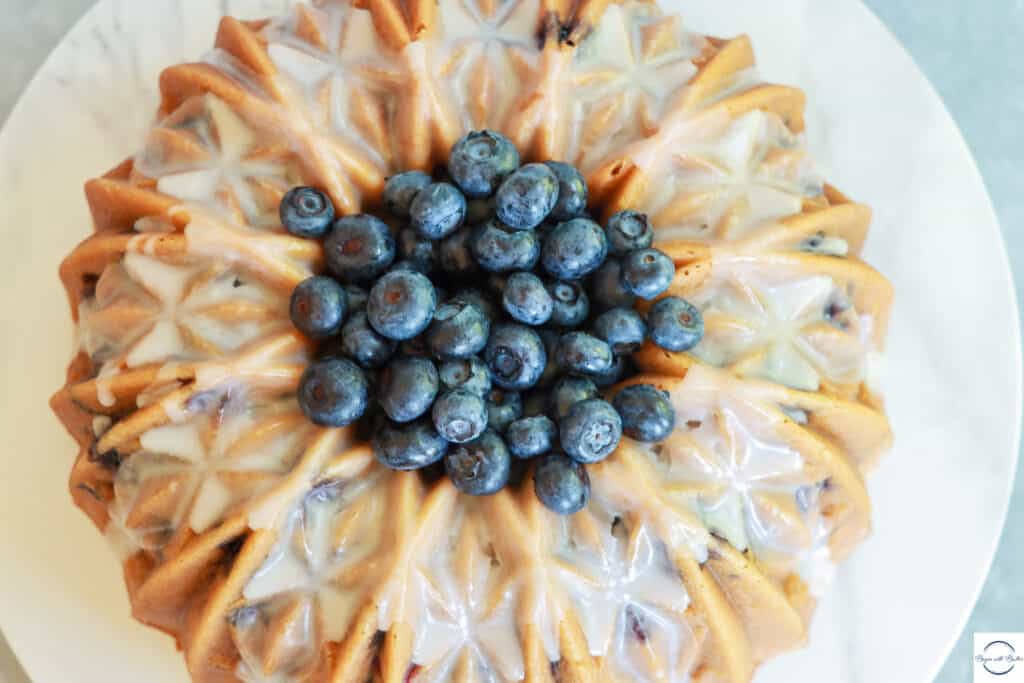
The tangy brightness of lemons combined with the burst of fresh blueberries creates a harmonious blend of flavors in this Chai Lemon Blueberry Pound Cake. Enhanced with the flavor of chai (tea), this is one of the most special cakes I’ve ever created for Begin with Butter; it disappears so fast every time I make it. It’s moist and tender, and is the perfect accompaniment for a sunny summer afternoon. The lemon cardamom glaze drizzled over the cake adds a spicy sweetness to this special occasion cake and enhances its citrusy appeal. This one is a must-make!

Strawberry Pound Cake

Strawberry Pound Cake is a must-have during the summer. It’s beautiful, sinfully decadent, and yet delightfully sweet and charming. The huge strawberry flavor comes from freeze-dried strawberries, which means you can save the deep red, juicy, sweet strawberries from the farmer’s market for your belly (or an incredible garnish). She’s topped with a strawberry glaze that perfectly complements the luscious cake underneath.

Sweet Potato Pineapple Pound Cake

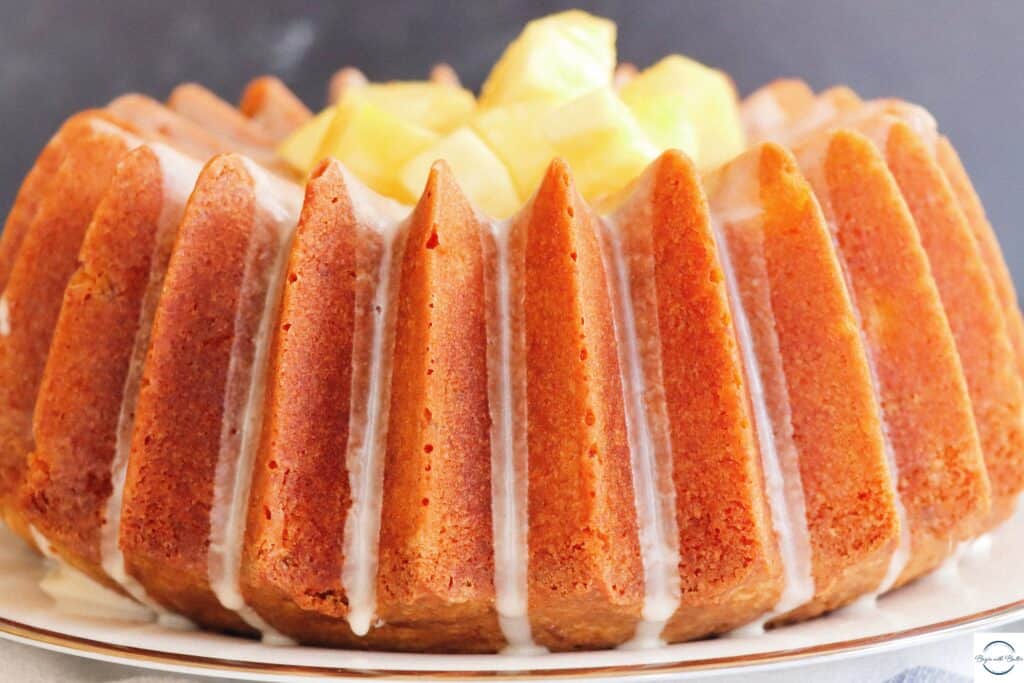
Y’all might be thinking that this is a fall cake and you would be wrong. This Sweet Potato Pineapple Pound Cake happened in a flash of inspiration earlier this year, and it’s been in very heavy rotation since then. Moist and fragrant, this cake as perfect for sandy beaches and swaying palm trees as it is for riding boots and changing leaves. A dazzling pineapple glaze finishes this pound cake, and it’s beyond dreamy.

Orange Creamsicle Pound Cake

Remember the nostalgic flavors of childhood (and all those skinned knees) with this delightful Orange Creamsicle Pound Cake. The combination of orange zest and creamy vanilla in the cake creates a cake that’s reminiscent of the beloved frozen treat. The creamy mascarpone glaze drizzled over the cake adds a luscious touch, and you can garnish with orange slices or zest to enhance its visual appeal even more. This cake, Friends, is the treat that reminds me most of my childhood summers.

Mommy’s Lemon Lime Soda Pound Cake

Mommy’s Lemon Lime Pound Cake

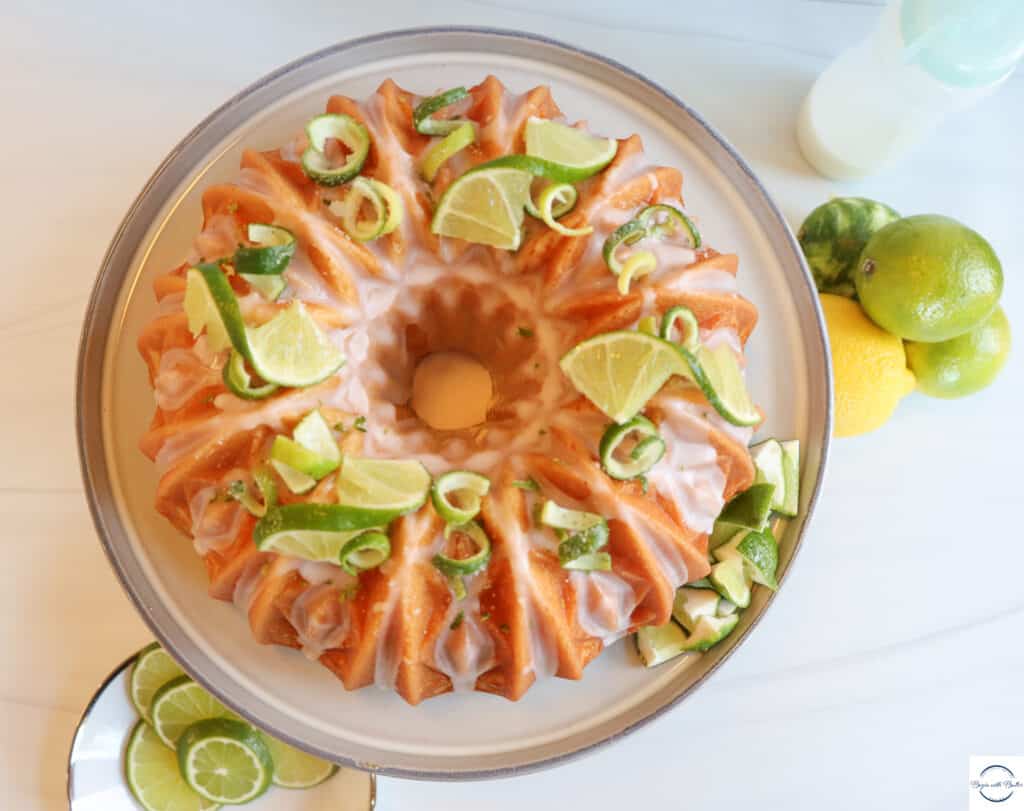
My Mommy made several kinds of pound cake when I was growing up. This Lemon Lime Soda Pound Cake, Friends, was my favorite of hers. It’s got the sweet and tangy bite from the lemon-lime soda (which also serves as its leavening), and the sweet glaze is a kids’ favorite! Enjoy this cake for any occasion: Sunday dinner, a garden party, or just because. I’d like to think that this one makes my Mommy really proud.

Very Vanilla Pound Cake

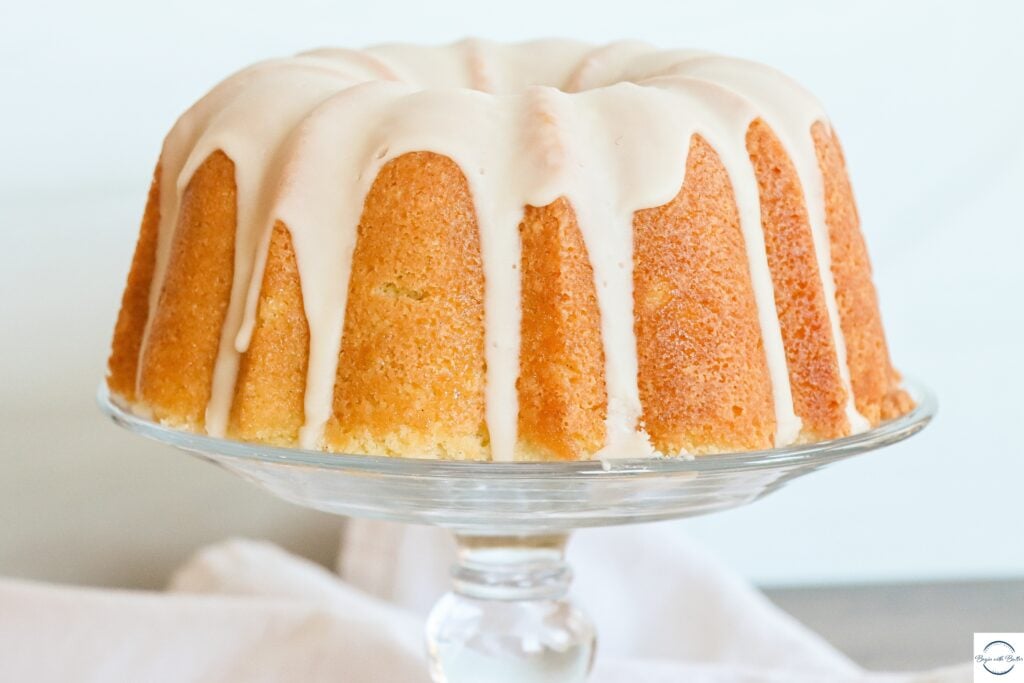
There is literally never a bad time for a Very Vanilla Pound Cake. Because this pound cake, Friends? THIS POUND CAKE? It has been a sensation on my site since it arrived, and with good reason. It is the perfect vehicle for any and all dessert toppings. Want to top it with The Best Strawberry Sauce? Bring it on. This cake loves it. Want to use a fresh peach compote or The Easiest Whipped Cream? This cake is literally the perfect canvas for any of those. Or-and hear me out here-you can eat it without any of those things and it will be utter vanilla perfection. This simple cake is ready for any summer culinary adventure. It just needs to be made.

Enjoy the Summer Pound Cakes of My Dreams…

You can find all of the pound cakes on the Begin with Butter site right here; any of these incredible cakes can really bring an element of elegance and luxury to your summer gatherings. With their intricate designs and irresistible flavors, these cakes embody the spirit of the season. From citrus-infused delights to tropical sensations and berry explosions, there’s a pound cake for every summer occasion. So, don your apron, gather the freshest ingredients, and embrace the warmth of the sun and the joy of shared moments as you savor each delectable slice. Happy baking!