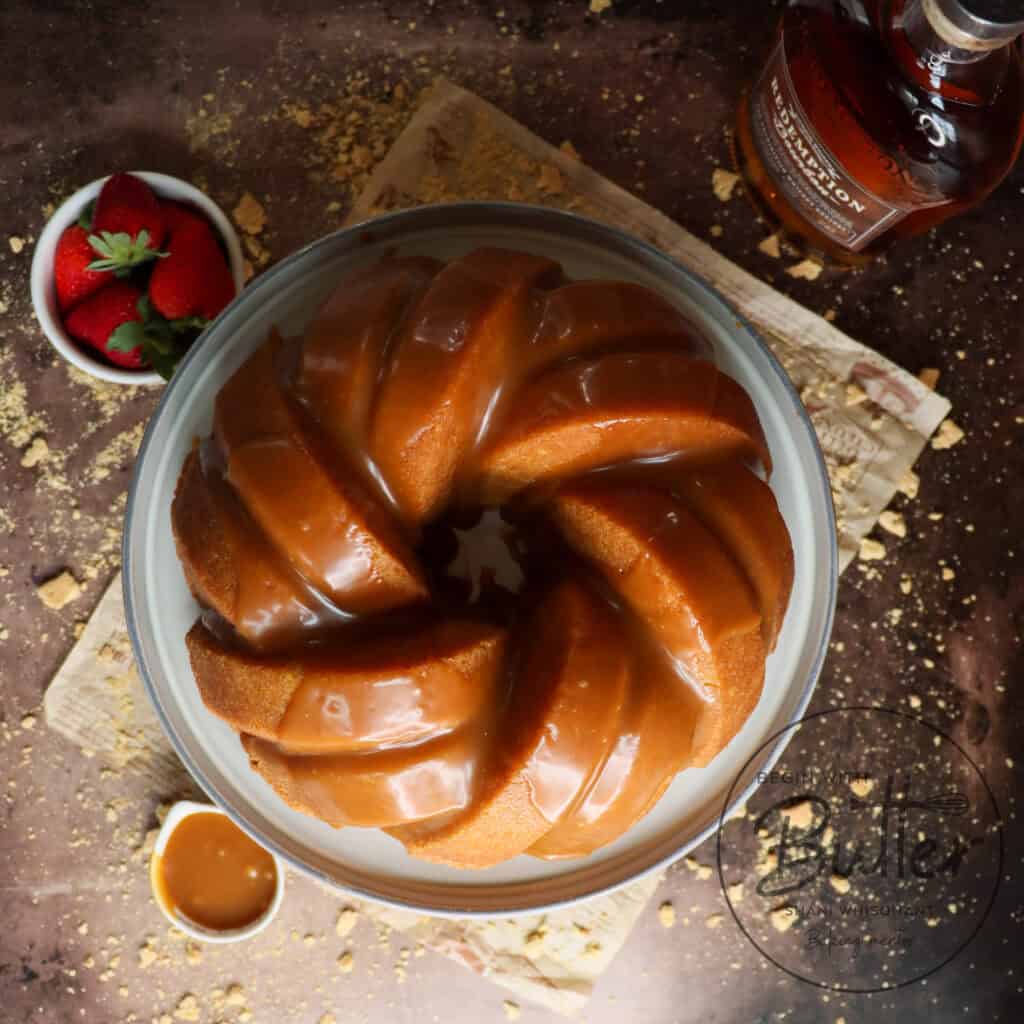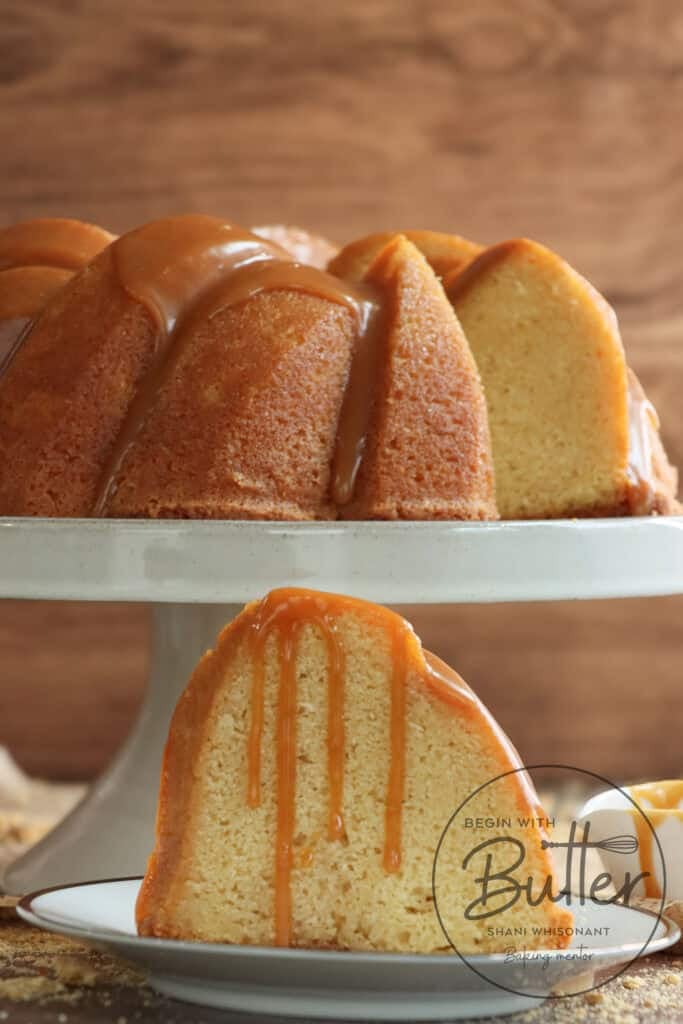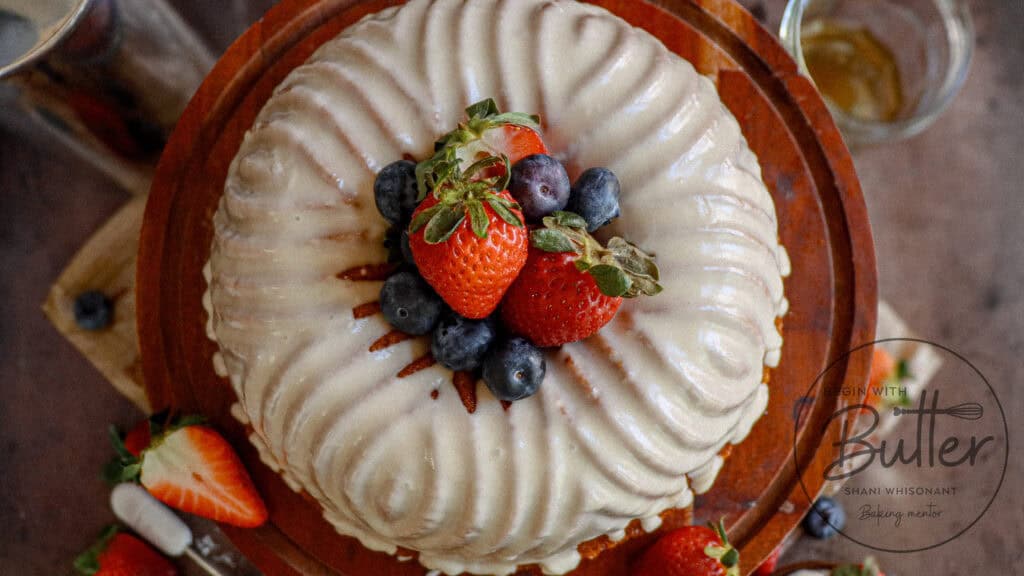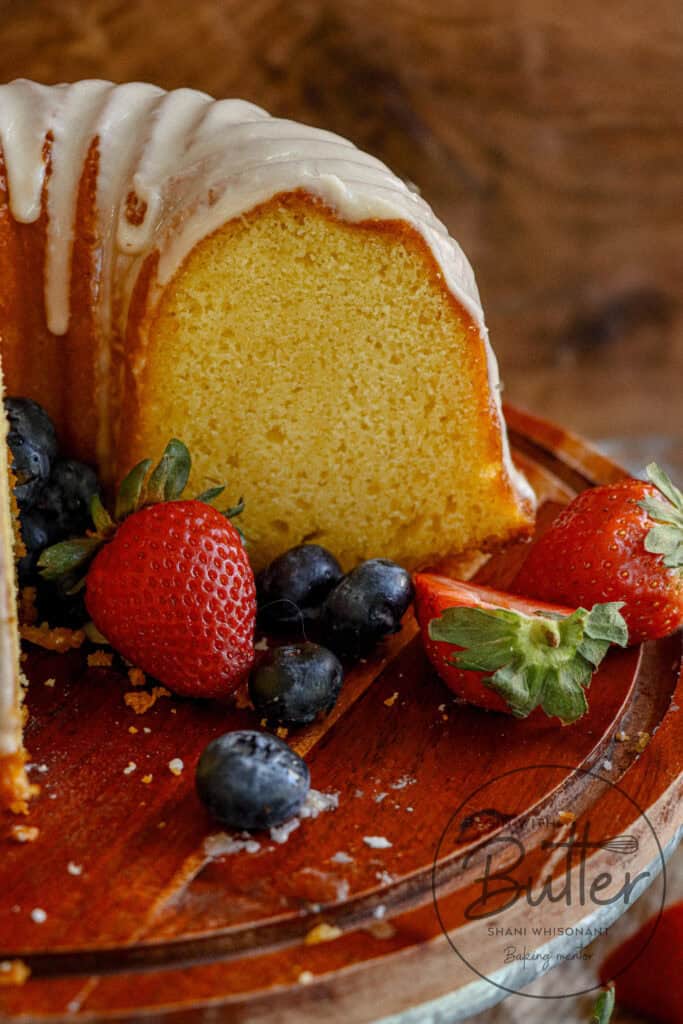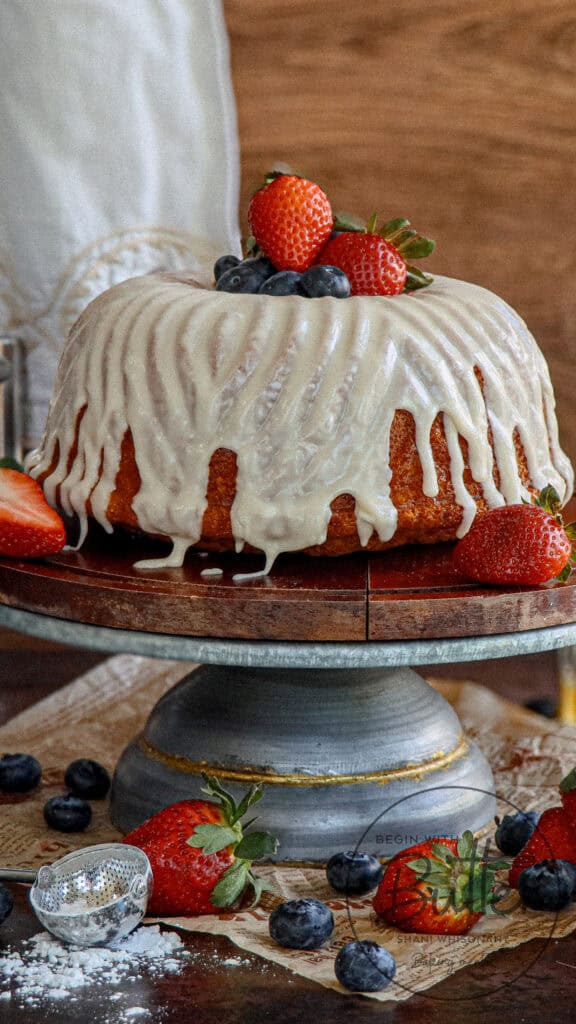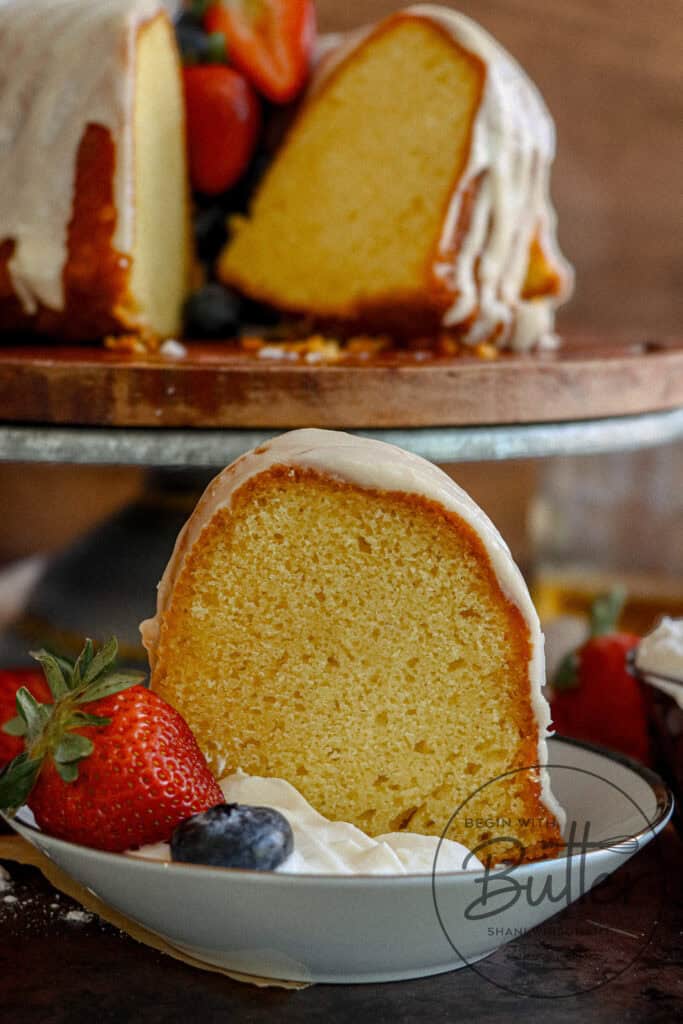
Brown Butter Kentucky Bourbon Cake with Salted Caramel

2

In this Post

About this Cake

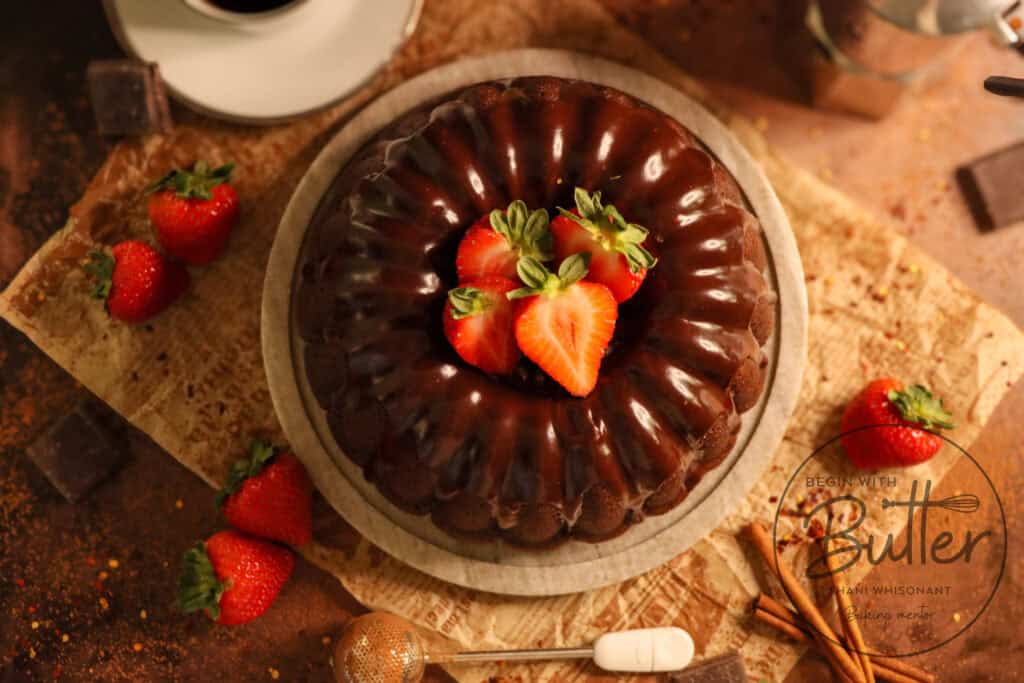
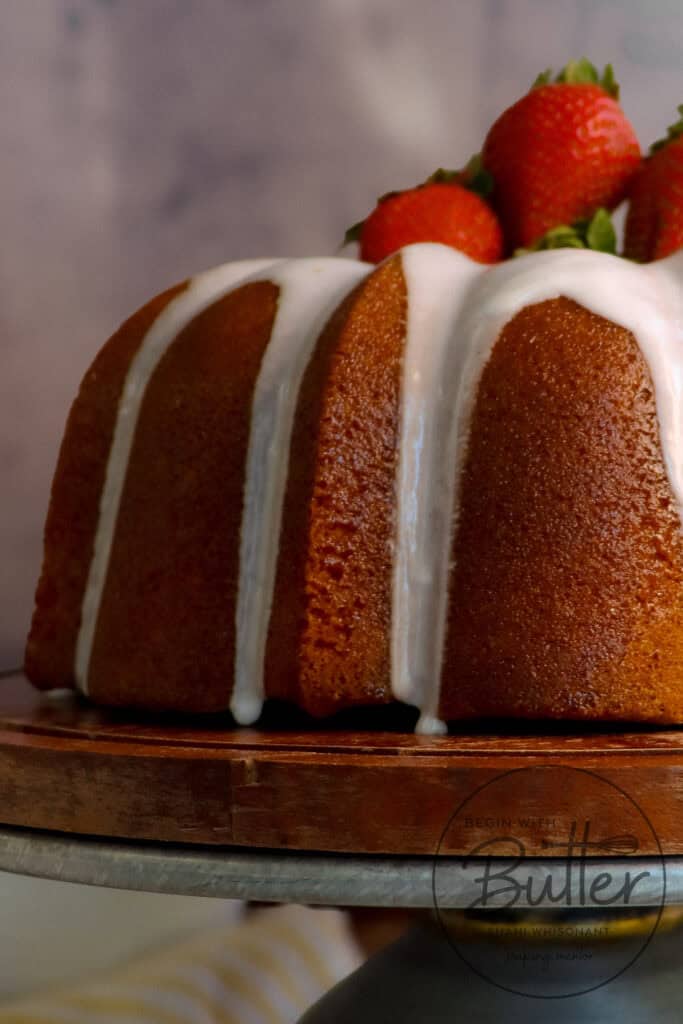
Kentucky Bourbon Cake (sometimes called Kentucky Bourbon Butter Cake) is a traditional dessert that celebrates one of the state’s most important exports. 

The export is bourbon, not butter. 😊And you can learn even more about what it is and what makes it so very special at the Kentucky Distillers’ Association website, or this exceptionally beautifully-written Bourbon for Beginners article from the Cocktail Contessa Website. Those websites are an incredible and comprehensive resource for bourbon beginners and enthusiasts, and y’all already know how I feel about deep diving into your ingredients to understand how they impact your outcomes.

While each bourbon has distinctive notes that make it stand alone from the others, this cake really highlights the caramel and vanilla flavor notes that are common to many different types of bourbon. And boy does it feature them prominently! In the cake batter, there’s 63 grams (¼ cup) of bourbon infused in the brown butter (and thus, in the cake batter), aerated through the creaming process so that it more prominently features the nuanced caramel and vanilla notes in this special spirit. (And, depending on the specific bourbon, you could also enliven the dried fruit or spice notes as well!)

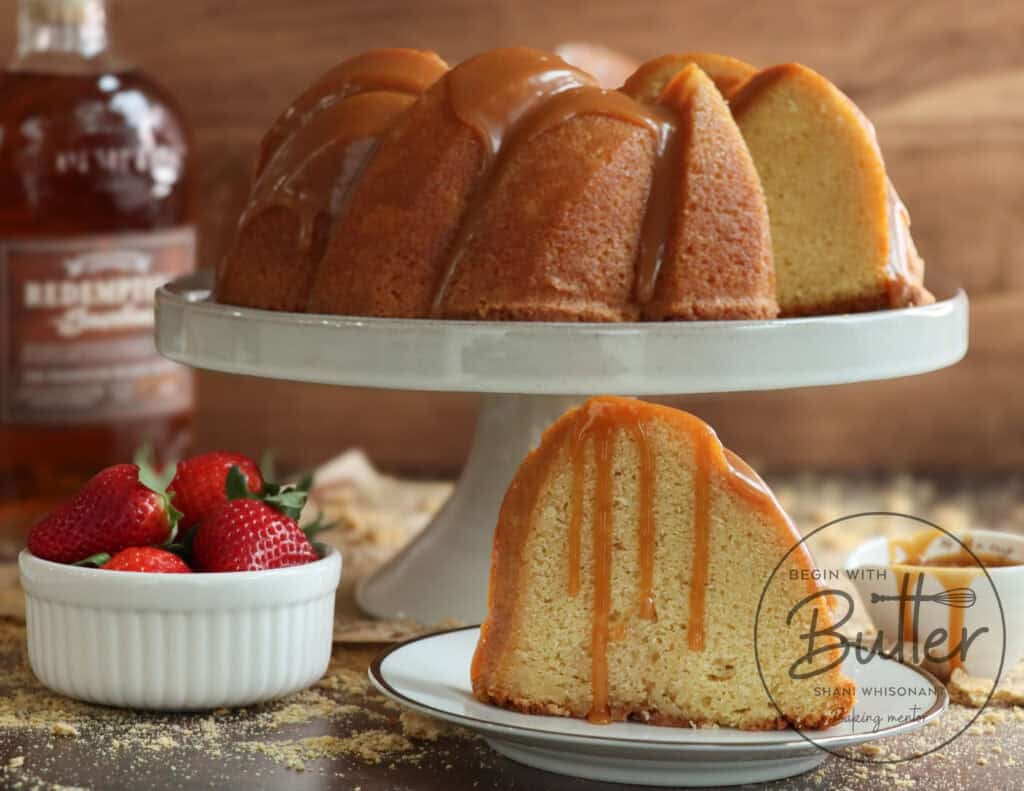
In the Bourbon Butter Sauce, we go for a full half cup (125 grams) of bourbon. And here’s where it gets really cool. You can either add that bourbon right at the end of the cook time if you want the strongest bourbon flavor, or, you can add the bourbon at the beginning of the cook time if you want to feature the more mellow bourbon notes without the alcohol bite. I prefer the latter, but I’ve tried the former and it is some kinda good. ❤️

All in all, this cake is an exceptional representation of the beautiful flavor striations found in bourbon. And I’m excited to hear your experiences with this uniquely traditional cake.
Brown Butter Kentucky Bourbon Cake: The Key Ingredients

Making delicious cakes is equal parts art and science. Here are some bite-sized bits about the key ingredients in this amazing cake!

Brown Butter isn’t just melted butter—it’s butter that’s been transformed through heat into a nutty, deep caramelized flavor. The milk solids undergo the glorious Maillard reaction (that’s food science for “delicious browning”), creating those golden specks that distribute throughout your cake. When you add bourbon to cooled brown butter, you’re creating a flavor foundation that will make your taste buds dance!

Bourbon brings so much more than an alcoholic bite to this cake—it contributes complex vanilla and caramel notes that marry perfectly with the brown butter. During baking, most of the alcohol evaporates, removing that famous first-sip Kentucky Chew and leaving behind those gorgeous vanilla and caramel flavors that make Kentucky bourbon famous worldwide.
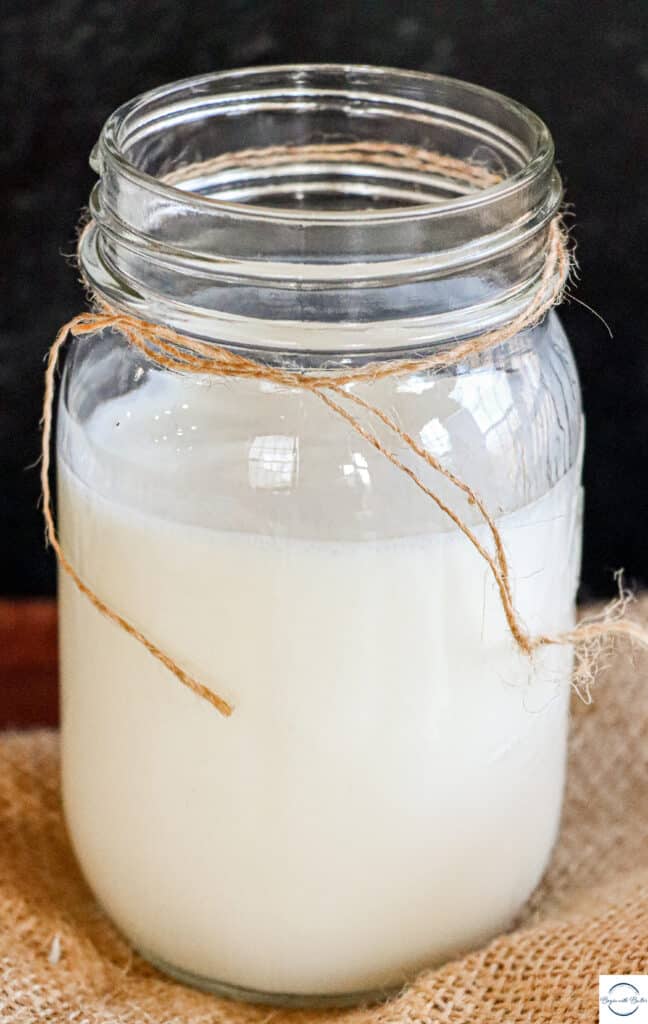
Buttermilk provides the perfect tangy counterpoint to the richness of this cake, while its proteins help create that moist crumb we want in this cake. The acidity works together with the baking soda to ensure that your cake rises beautifully into the impressive beauty that she is meant to be.

Kosher Salt is the unsung hero that makes every other flavor in this cake pop. It balances the sweetness and enhances the caramel and vanilla notes, creating a sophisticated depth that keeps everyone coming back for “just one more slice.” (spoiler alert: they never, ever take just one more slice.)

Vanilla brings its own extraordinary dimension, especially if you use real vanilla beans. Those distinctive flecks aren’t just pretty—they’re concentrated flavor bombs that elevate this cake from delicious to unforgettable.

For additional information about the other, foundational ingredients in this cake, there are TONS of Baking 101 resources available on the Begin with Butter site!

Understanding these ingredients and their interactions is the key to becoming a more intuitive baker. With this knowledge, you’ll be better equipped to create your own variations and troubleshoot any challenges that arise.

The Techniques That Make This Cake So Special

How to Get Perfect Brown Butter for this Recipe

Browning butter isn’t just a technique—it truly changes butter by separating the milk solids from the fats, toasting those milk solids, and adding extremely delicious depth to your final baked goods.

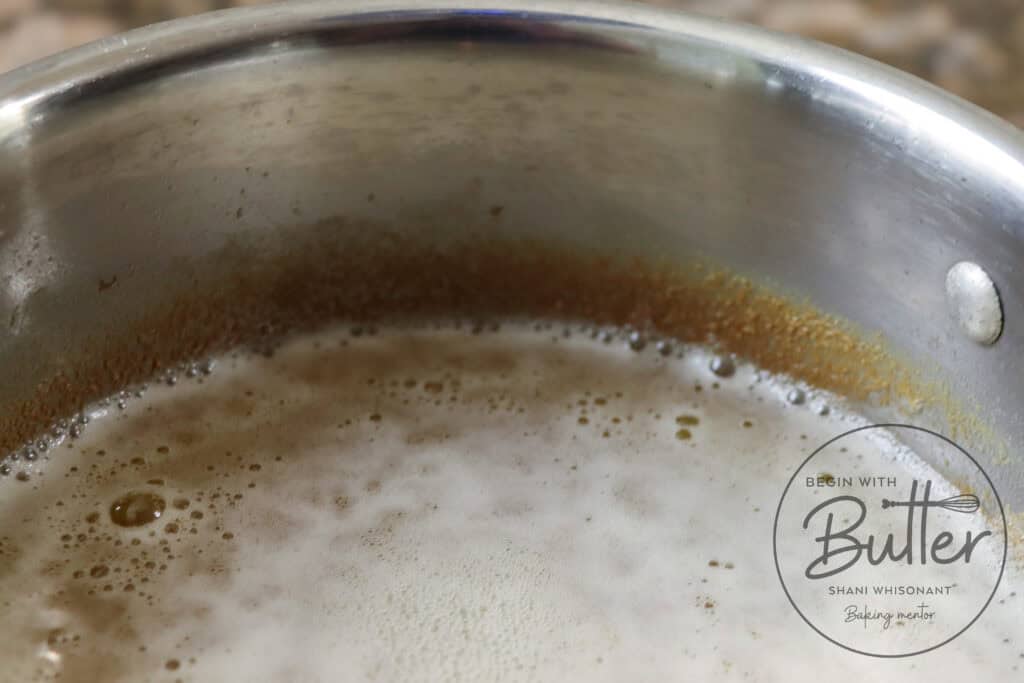
The trickiest part about brown butter is knowing when to stop! Too little time and you’ll miss out on those deep, nutty flavors. Too much time and you’ll have too-dark butter solids that add an acrid, burnt taste to your baked goods (I’ve tried this and do NOT recommend).

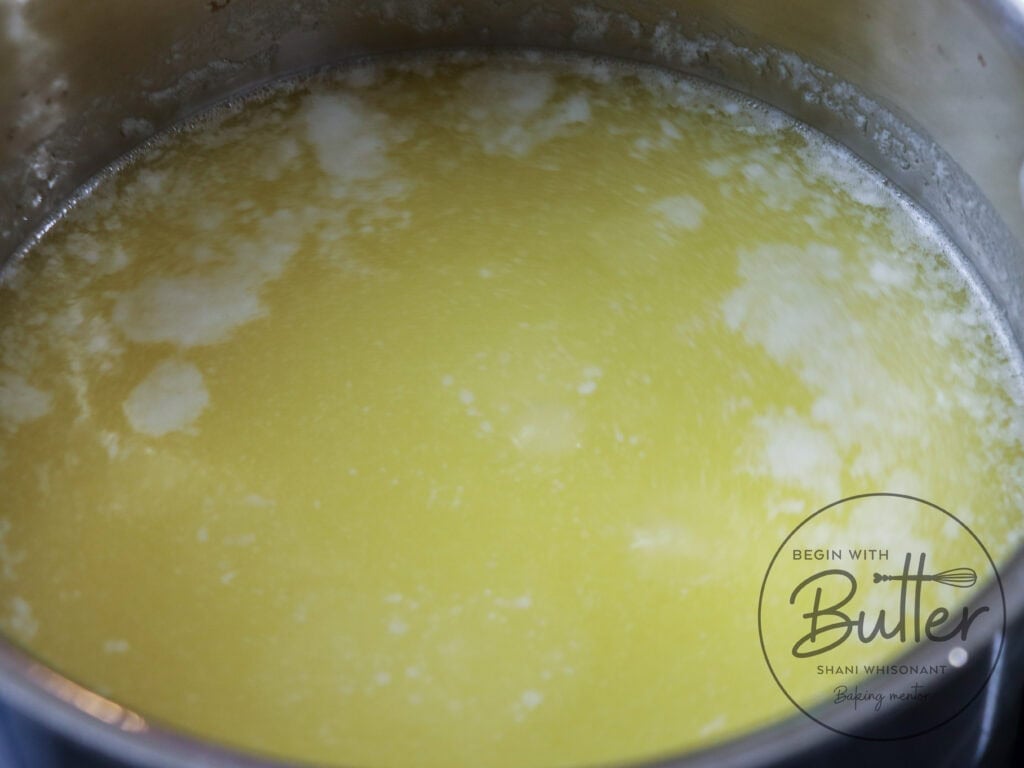
Brown butter will go from yellow, to melted, to very golden, and then foamy. Don’t let the foam fool you! Those brown bits might be lurking just below the surface.

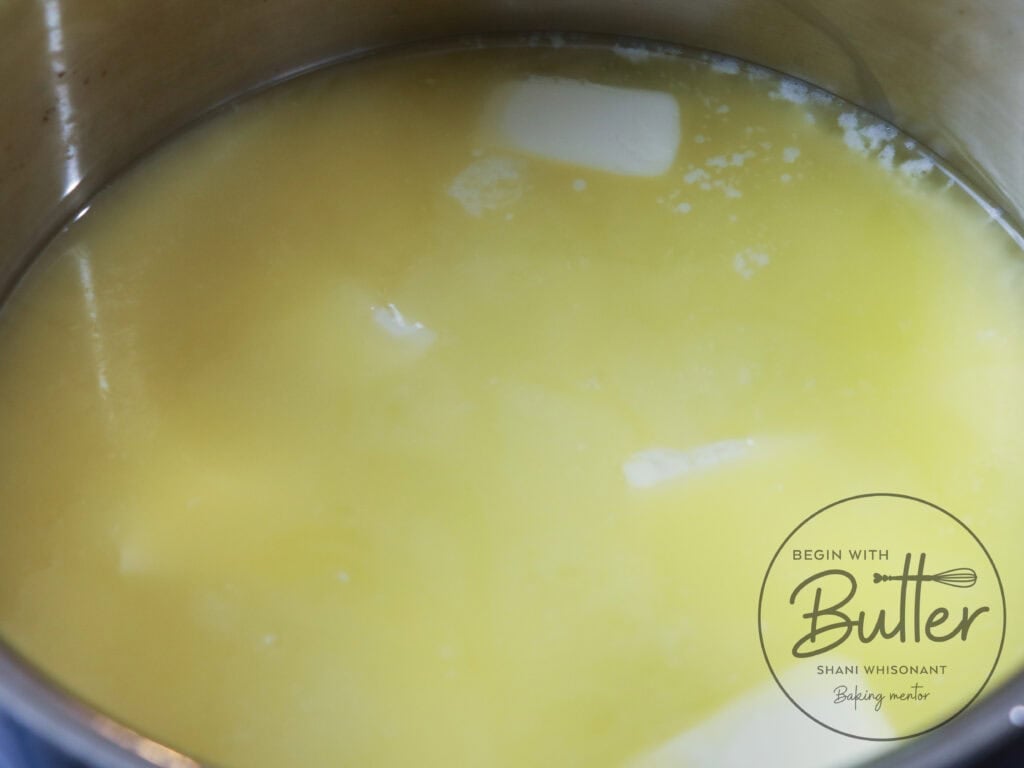
My Butter-Browning Tips:

  1. Use a light-colored or stainless steel pan if possible—it makes those golden milk solids easier to spot. Instead of a pot, I actually use a stainless steel sauté pan for perfect results!
  2. The process seems slow until suddenly it’s not! That foam stage can last several minutes, but once you see those milk solids turning amber, you’re seconds away from perfect or burnt.
  3. Have your heat-proof container ready to go before you start—when it’s time to stop, you need to move quickly!

Here is a photo tutorial for those who are more visual! And you can check out my How to Make Brown Butter post for an even more detailed explanation!

The Bourbon Butter Sauce: Finding Your Flavor Sweet Spot

This sauce is where you get to customize your bourbon experience! I’ve made this cake several times, and I’ve learned that how you add the bourbon makes a tremendous difference in your outcome. As always, it’s a matter of taste!

Adding bourbon early in the cooking process mellows its character, while adding it at the end preserves more of that distinctive bourbon kick in the final cake. Neither is wrong—it’s about your preference!
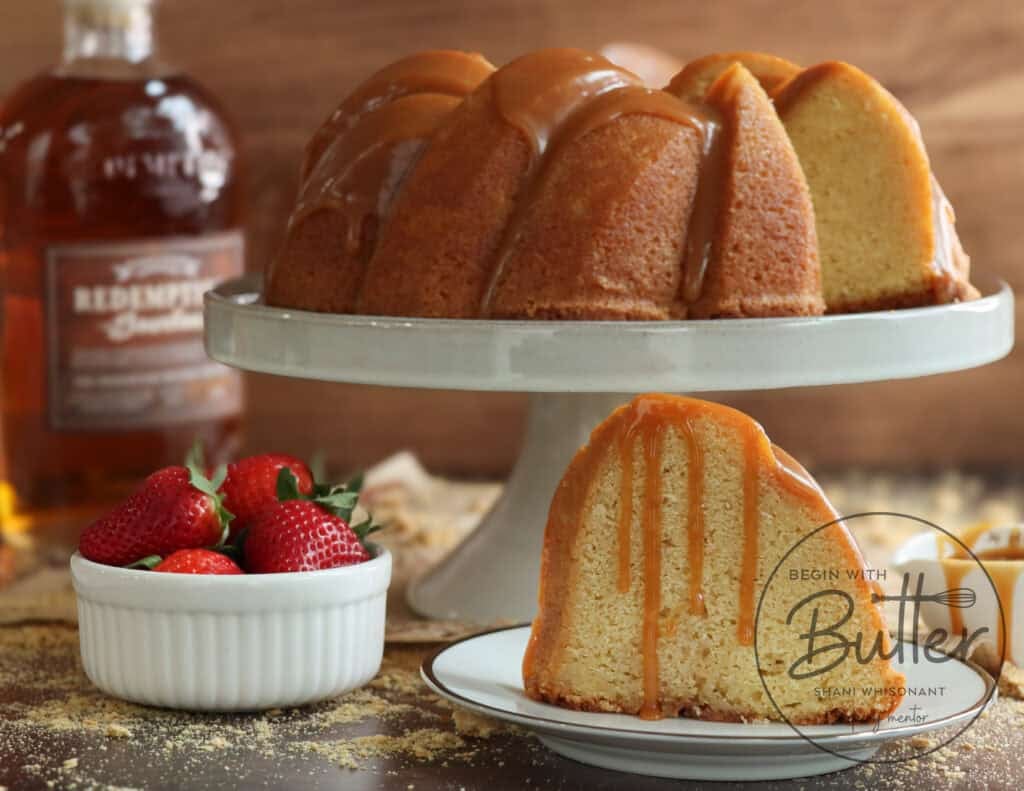
Sauce Success Secrets:

  1. Keep the heat gentle—rapid boiling can cause crystallization.
  2. When reducing the sauce, patience is key; rush this step and you might end up with something closer to thick bourbon caramel than sauce (though that doesn’t sound half bad).
  3. Adding the bourbon early creates a more balanced flavor if you don’t want a liquor-soaked cake.

Salted Caramel: The Decadently Dramatic Final Touch

Let’s be honest—with all of the scary warnings in caramel recipes, caramel can seem like a dangerously daunting kitchen task! But once you’ve mastered this technique, you’ll find yourself wanting to add caramel to everything. It’s an amazingly simple technique that helps add rich flavor to whatever you’re making, and with caution, you can achieve the most delicious results.

The melting sugar stage is where most beginners get nervous. Those clumps that form are totally normal! Just keep gently whisking, and they’ll smooth out as the caramelization continues.
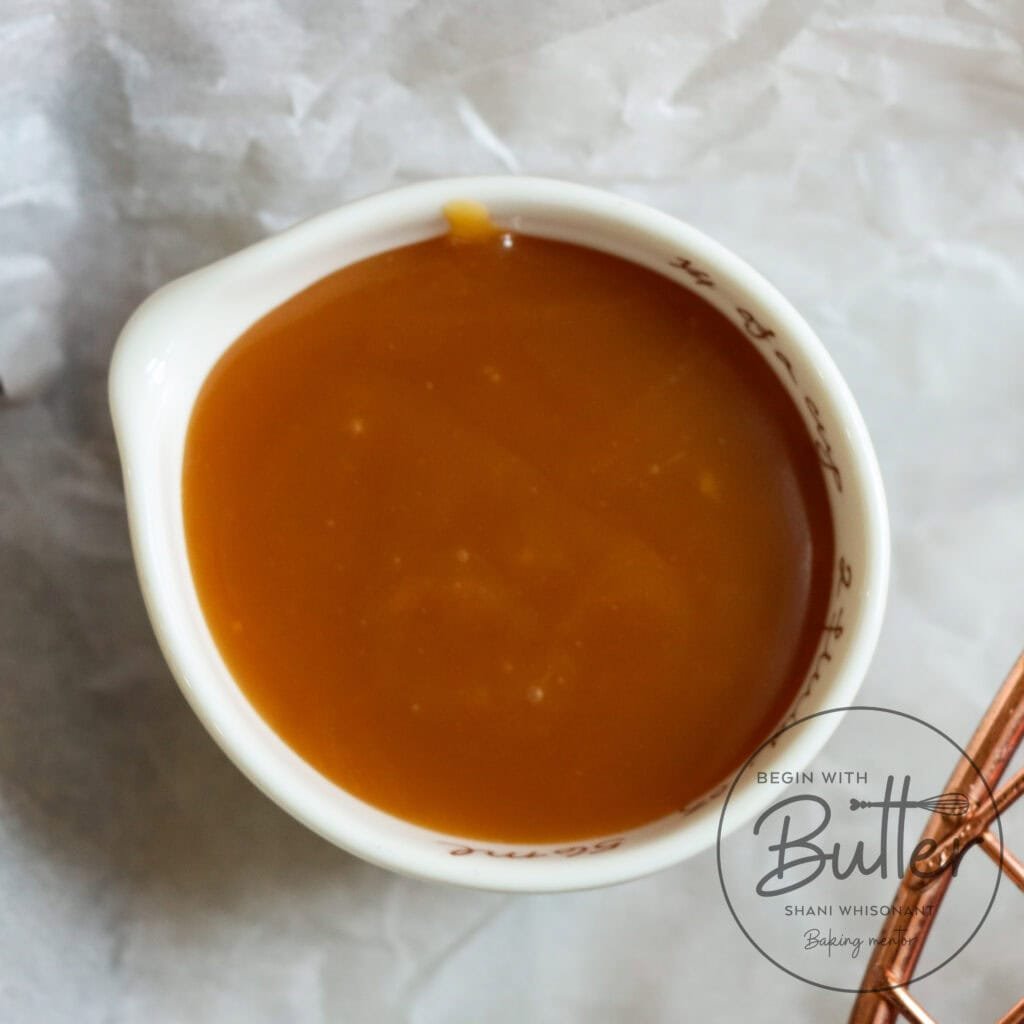
Caramel Confidential:

  1. Use a larger pot than you think you need—the mixture bubbles dramatically when adding butter and cream.
  2. That balloon whisk I recommend? It’s not just a suggestion. Metal handles conduct heat and can leave you with toasty fingers!
  3. The color of your caramel determines its flavor—lighter amber gives you sweet notes while deeper amber introduces those complex, almost coffee-like undertones.

Want to read a step-by-step tutorial? I have one for you! Check out my Classic Salted Caramel Sauce recipe for all of the tips that will help you feel like a caramel superstar!

Want to watch a step-by-step video tutorial? This salted caramel tutorial Instagram post from the Begin with Butter IG page will show you how to safely and deliciously execute this kitchen staple!

Remember, these techniques might feel challenging at first, but they’re absolutely worth mastering. Each one builds skills that will serve you across countless recipes beyond this cake. And, BB? When you get to the end – when you are pouring that thick salted caramel over that bourbon-infused cake – you will feel like you’ve achieved something phenomenal (because you have).

Let’s get onto this absolutely incredible recipe, shall we?

The Recipe

Conclusion: This is One of the Most Special Cakes You’ll Ever Make

BB, this cake took its sweet time to come together. While I was lamenting that time before, I am absolutely thrilled that I didn’t rush this one. This cake is one of my favorite cakes of all time, and to earn that accolade, the cake needs to be savored, like a bourbon, neat.

I hope you love this cake, Friend! If you have questions, don’t forget to email me at bakingbestie@beginwithbutter.com to get answers! And don’t forget to share your incredible bakes with us at Instagram!
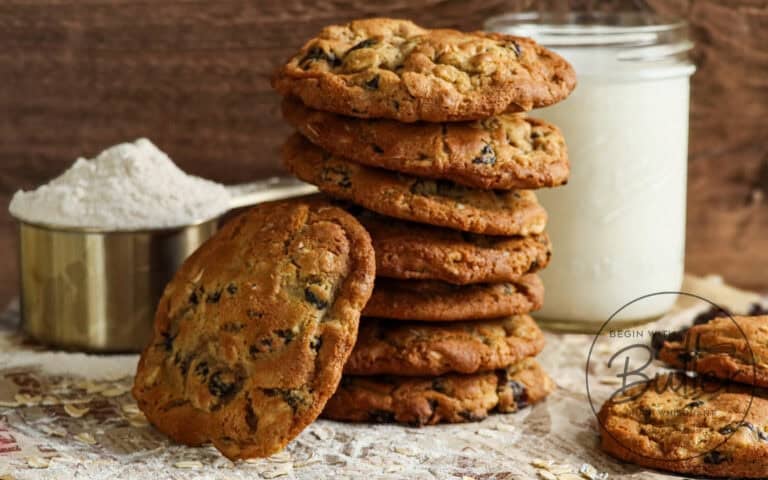
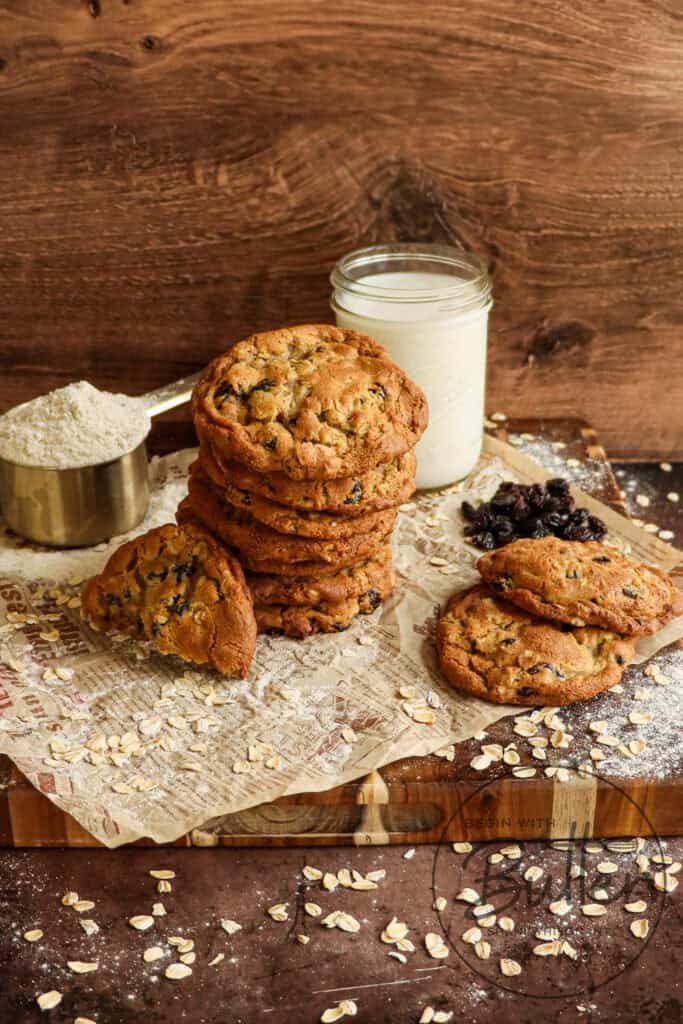
Oatmeal Raisin Cookies

Let me just start by saying that oatmeal raisin cookies usually aren’t my jam. I know that’s not the ringing endorsement that you’d expect from an oatmeal raisin cookie post, but we value transparency here at BwB, and I feel like starting there provides important context for what I’m to say next:

These are the best oatmeal raisin cookies I’ve ever had. I love them and find them absolutely irresistible when I make them. Which is strange, because…well, see above. I am absolutely, positively ga-ga over these incredible cookies, which makes the next reveal even more shocking: these are 100% whole wheat cookies.

Pick your jaw up off the floor, BB. I’ll explain. 

In this Post:

About these Oatmeal Raisin Cookies

There are some cookies that should be light in texture. Almost ethereal. Like an Orange Creamsicle Spritz Cookie or a Lemon Bar. They should melt on your tongue and whisper sweet, flavor-filled nothings to you.

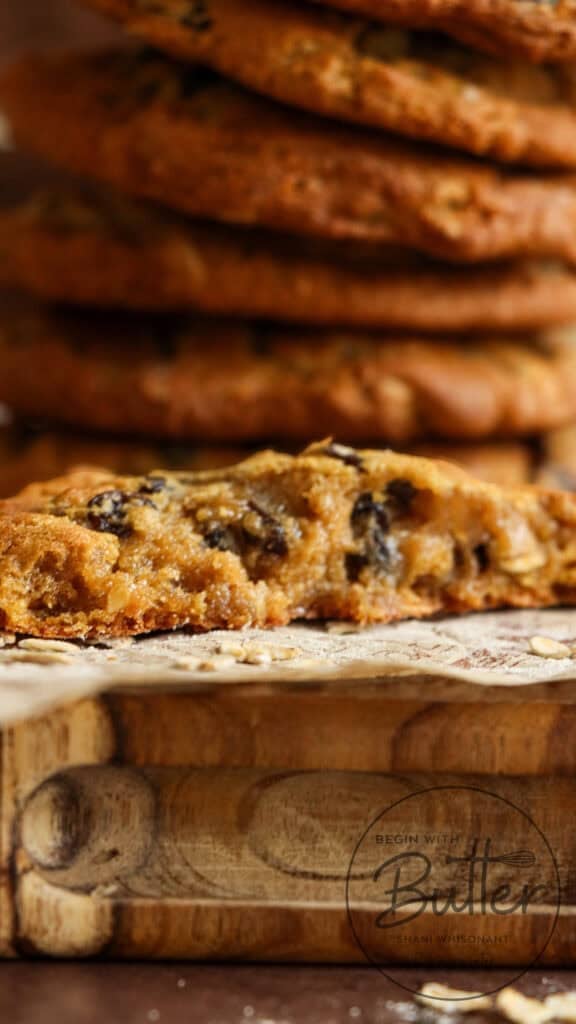
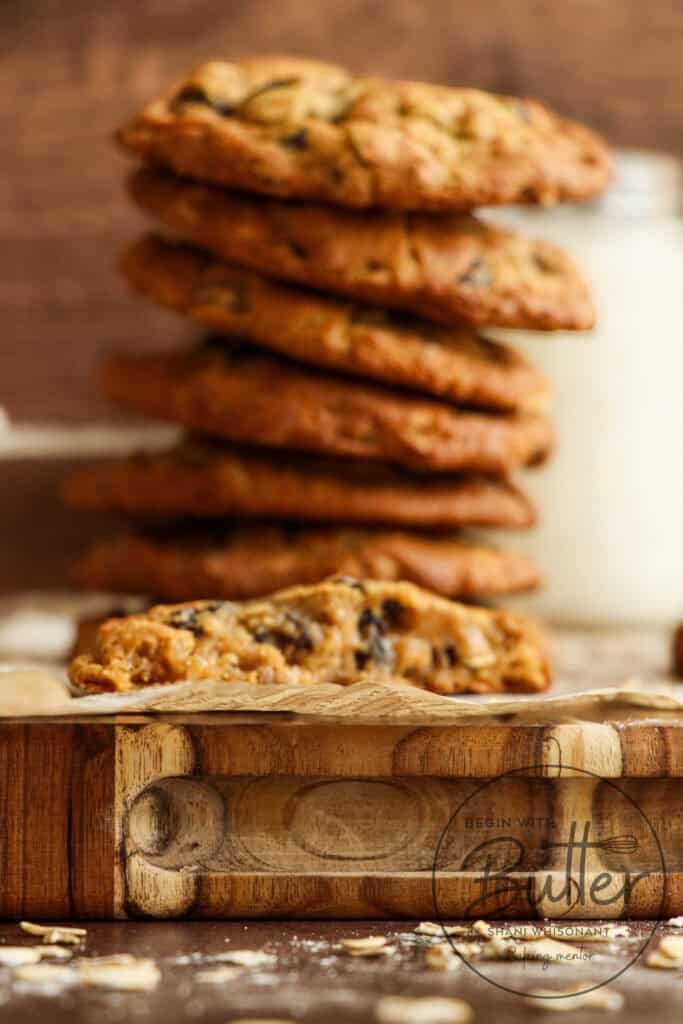
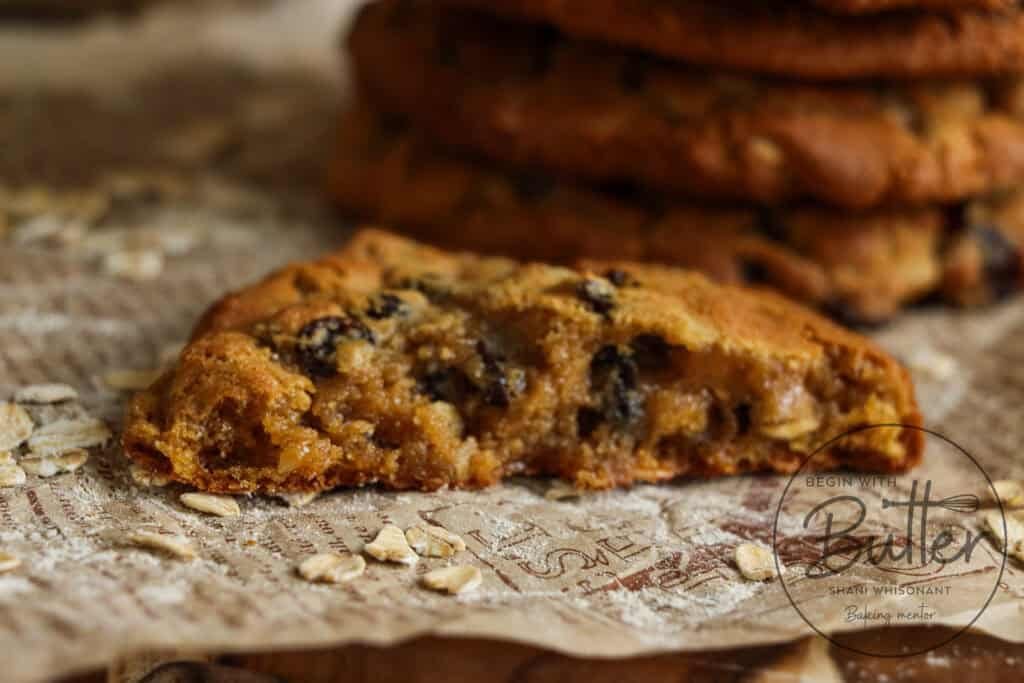
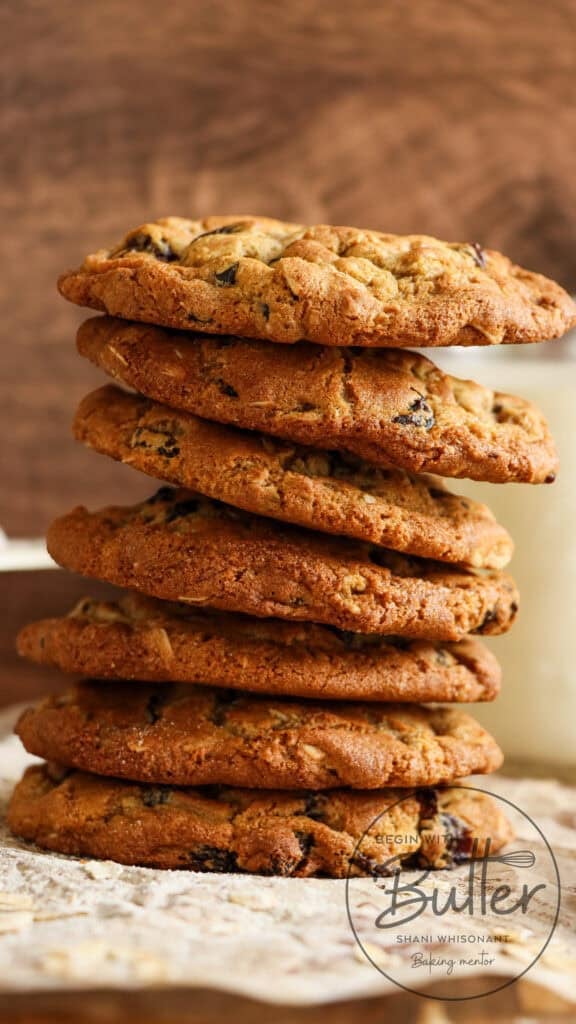
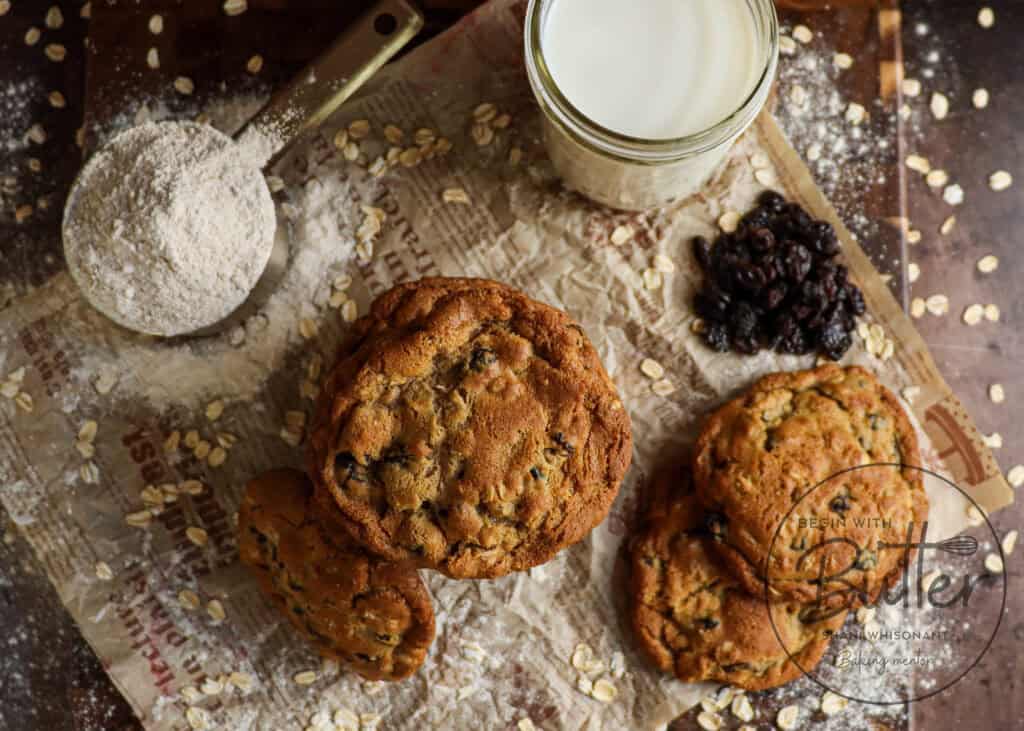
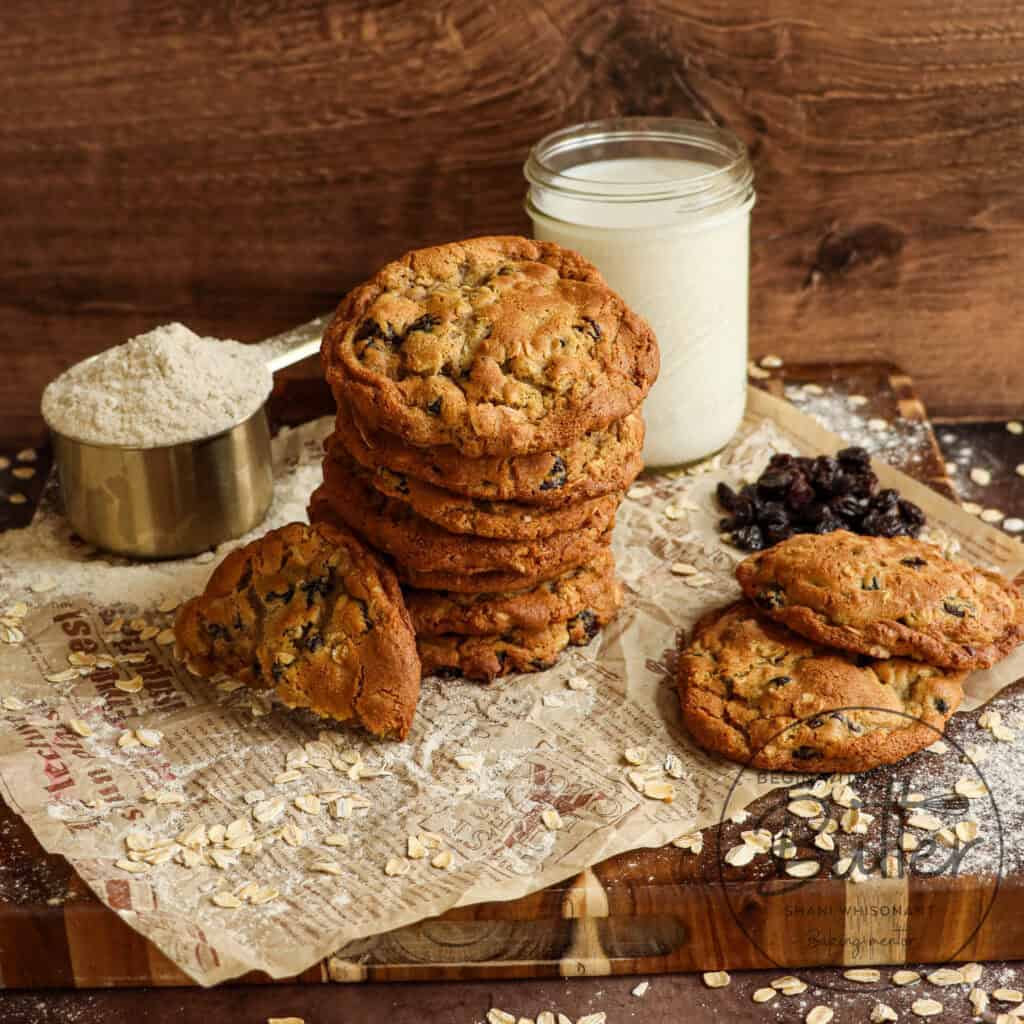
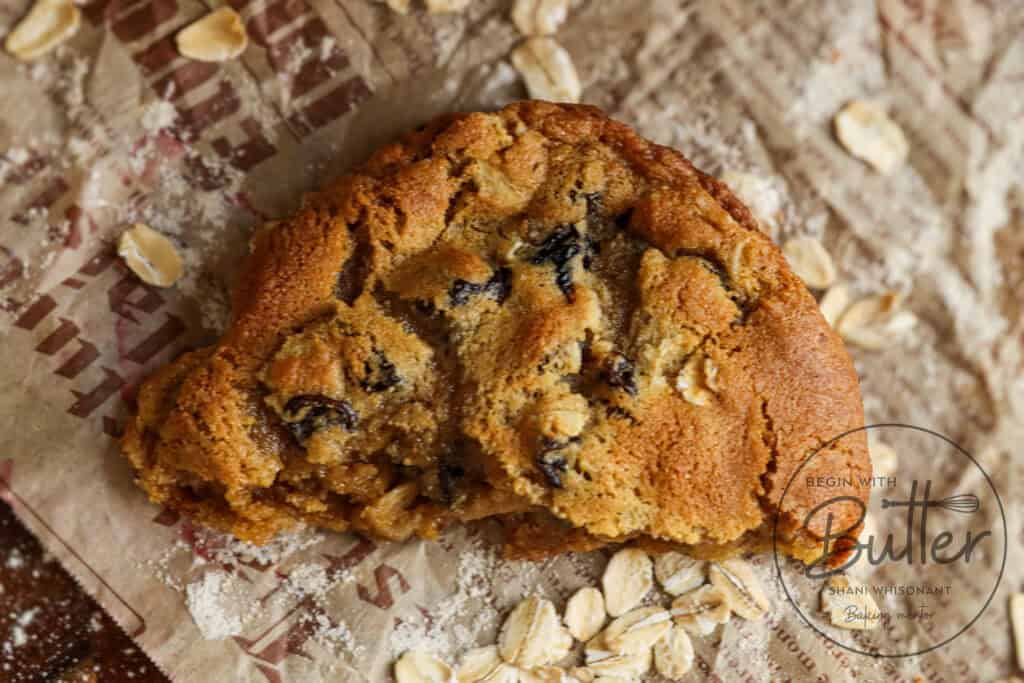
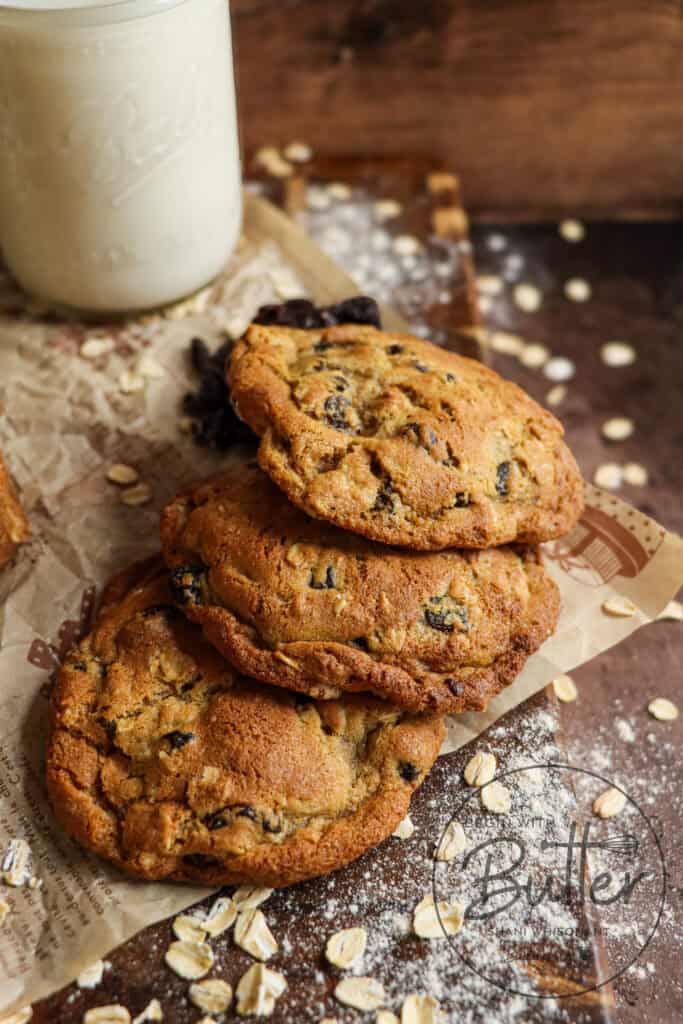
This is not that cookie. This is a hearty embrace in cookie form – a perfect companion for crisp autumn mornings or cozy winter afternoons with a steaming cup of tea. Every bite delivers an incredible, deep flavor (thank you molasses and vanilla!), and a full-bodied texture from the oatmeal, raisins, and white wheat flour. The cream cheese adds a subtle richness that transforms these from ordinary oatmeal raisin cookies into something extraordinary. After a long rest in the refrigerator, these cookies bake up with perfectly crisp edges that give way to a tender, chewy center studded with plump raisins and toasted oats.

This cookie surprised me; I never expected to love it this much. What started as a simple experiment with whole wheat flour turned into my definitive oatmeal raisin cookie recipe. If I’m going to eat an oatmeal raisin cookie, it has to be this one. And once you try them, I suspect you’ll feel the same way.

Recipe At-A-Glance

Prep Time: 35 minutes

  • 20 minutes to prep your ingredients (this is known as mise en place, and is essential for amazing baking!)
  • 15 minutes for mixing
  • 4-24 hours rest time
  • 60 minutes total baking time

Total Time: 95 minutes over two days Bake Time: 60 minutes Yield: 18-24 oversized cookies, or 40-48 standard-sized cookies

Key Temperatures:

  • Oven: True 350° convection, or true 375° convention

Storage:

  • Room temperature: 3-4 days on countertop, in airtight container
  • Freezer: Up to 2 months (dough); up to 2 months (finished cookies) glaze) for up to three months)

Skill Level:

  • Intermediate

Dietary Notes:

  • Vegetarian
  • Contains dairy, eggs, and gluten
  • No nuts

Ingredients in these Oatmeal Raisin Cookies

When you understand how the ingredients work in your baked goods, you’ll unlock a super power that will help you customize all of your baked goods in an innumerable number of ways! Imagine being able to make your cookies, cakes, pies and breads into exactly what you want them to be, instead of being bound to a recipe…learning ingredient science is the key! 

Here is how the ingredients in these cookies make them into the absolute best oatmeal raisin cookies you’ve ever had.

White Wheat Flour isn’t just any flour – it’s the secret weapon that makes these cookies truly special! When using white wheat flour, you get all the nutritional benefits of whole wheat with a lighter flavor that lets the other ingredients shine. It adds a wonderful toothiness that enhances every bite. If you’re using red wheat flour, follow the recipe’s blend of all-purpose and whole wheat flour for the perfect balance of texture and flavor.

Cream Cheese & Butter are the dynamic duo that makes these cookies extraordinary! The cream cheese brings a subtle tang and creates an unbeatable soft texture, while butter delivers rich flavor and those perfectly crisp edges we crave. Room temperature is crucial here – both need to be truly soft (you should be able to easily press your finger into them) to work their magic. I typically leave both on the countertop for 2-3 hours to reach the perfect temperature.

Sugar & Molasses work together to create something truly special. Instead of using pre-made brown sugar, this recipe lets you control the exact amount of molasses, giving you deeper caramelization and more complex flavor. During baking, this combination creates those beautiful color variations and helps develop the perfect crisp-tender texture we’re after.

Eggs are the surprising heroes in these cookies! It’s almost contradictory – the fatty yolks tenderize while the protein-rich whites provide structure. Adding them one at a time ensures they incorporate perfectly, leading to that ideal chewy texture we want in an oatmeal cookie.

Old-Fashioned Oats & Raisins are non-negotiable elements that make these cookies what they are. Don’t even think about using instant oatmeal – only old-fashioned oats will give you that hearty, satisfying chew. And those raisins? They need to be fresh and plump to deliver their best flavor and texture. Skip those forgotten ones in the back of your pantry; your cookies deserve better!

Vanilla Extract isn’t just a background note here – a full tablespoon brings rich, floral depth that weaves through every bite. It bridges the molasses, cinnamon, and raisins, creating a harmony of flavors that makes these cookies unforgettable.

Cinnamon is used with restraint (just ½ teaspoon!) because we want it to complement, not overwhelm. It adds a subtle warmth that enhances the molasses and whole wheat flour while making the vanilla seem even more pronounced. Think of it as a conductor, helping all the other flavors play together beautifully.

Kosher Salt is crucial for more than just balancing sweetness. A full teaspoon might seem like a lot, but it heightens the caramel notes from the molasses, makes the vanilla more vibrant, and creates a sophisticated flavor that keeps you coming back for “just one more” cookie.

Baking Soda & Baking Powder work overtime in this recipe! Yes, there’s more than you might expect (1¼ teaspoons of each!), but there’s a method to this madness. The baking soda reacts with the molasses to create rise and that gorgeous caramelization we’re after, while the baking powder ensures a consistent rise throughout baking. Together, they create cookies with perfectly crisp edges and tender centers. The cornstarch helps moderate their enthusiasm, ensuring your cookies don’t spread too much while baking.

Remember: Each ingredient plays a crucial role in creating an oatmeal raisin cookie that will make you forget every mediocre version you’ve ever had! 💝 Let’s get baking, shall we?

The Recipe

Frequently Asked Questions

What’s the difference between white wheat flour and red wheat flour? White wheat and red wheat are different varieties of wheat berries. White wheat has a lighter color and milder, sweeter flavor, while red wheat has a darker color and more robust, earthy taste. I use white wheat flour in this recipe because it gives us all the wonderful textural benefits of whole wheat, while also letting the molasses, vanilla, and other flavors shine through. The milder flavor of white wheat perfectly complements these cookies without overwhelming them. If you want to use red wheat flour, just follow the proportions in the instructions and you’ll make an amazing cookie!

What would happen if I use all all-purpose flour? You’ll still get a good cookie, but you’ll miss out on the wonderful texture and nutty depth that whole wheat flour brings. The whole wheat flour adds a great toothiness and complexity that makes these cookies truly special. If you do use all-purpose flour, you’ll find the cookies a bit sweeter and less complex in flavor, so you’ll want to add another ¼ teaspoon of kosher salt to counterbalance the sugar.

Can I use brown sugar instead of granulated sugar and molasses? Yes, you can use 500 grams (2½ cups) dark brown sugar instead of the granulated sugar and molasses. However, you’ll lose the ability to control the molasses content, and you’ll miss out on some of the deep, complex flavors that come from adding molasses separately. The molasses in brown sugar is not quite the same as the separate molasses addition, and that will affect the final outcome.

What if I skip the overnight rest in the refrigerator? While you technically can bake flat, less complex cookies right after mixing, the rest period is crucial for developing flavor and texture. The rest allows the flour to fully hydrate and the fats to firm up (both of which are crucially important for these cookies), resulting in cookies that spread less and have a much better texture. If you absolutely must bake them sooner, give them at least 4 hours in the refrigerator. Else, you will likely end up with cookies that spread and don’t reach their full potential! [insert sad face emoji]

Why do I need new raisins? While it might be tempting to use the raisins in the back of your pantry, those raisins are usually even more dry than what you need for great cookies. In these special Oatmeal Raisin Cookies, you want to get wonderful, plump bites of raisin when you take your wonderful bites.

Why do I need both baking powder and baking soda? These leaveners serve different purposes – baking soda reacts with the molasses for proper rise and caramelization, while baking powder ensures consistent rise throughout baking. The relatively large amount of each (1¼ teaspoons) might seem surprising, but they work together to create the perfect texture with crisp edges and tender centers. The baking soda is particularly important for developing that beautiful caramelization we’re after.

The Best Oatmeal Raisin Cookies. Ever.

BB, every element of these oatmeal raisin cookies came together perfectly to make an incredible cookie experience. I intend to make these cookies over and over again, especially since my husband is the ultimate oatmeal raisin cookie lover. I hope to share these cookies with generations of my family members to come, and I also hope that I’ve changed your mind about whole wheat cookies! 

I can’t wait to see your outcomes! Make sure to tag me on Instagram @beginwithutter so that we I can enjoy the special cookies with you!

Classic Cream Cheese Pound Cake

Friends, pound cakes are deeply, deeply nostalgic for many of us. They evoke so many feelings and memories, like the sage advice from a mother or a grandmother while she spooned the batter into her favorite bundt pan. That is particularly true for this love offering from Begin with Butter: the Cream Cheese Pound Cake.

Even as I typed those words, I was transported back to my mother’s yellow kitchen – the one with the window that overlooked the backyard – as she made a cream cheese cheese pound cake for a holiday dinner. For her, making cream cheese pound cake evoked memories of growing up in Alabama, watching her own Mama Bea make that simple, magical cake in her own kitchen. For some reason, in that moment, the pea-brained, child version of me understood the inter-generational connection that a recipe could create: I was not only connected to the stories about my grandmother, I was connected to my grandmother. In that way, this simple recipe was transcendent; it helped me understand that there was a great link between me and all of the women in my family who preceded me.

But that moment passed, and in the next moment, I was asking a childish question or spilling something or generally being a nuisance in my mother’s kitchen, while she used the muscle memory of the ancestors to make an impeccable cake. Because I was a lost cause as a baker when I was a child, I did not get her special recipe before she passed on, but I drew upon my memories of my mother’s cream cheese pound cake, tested this recipe painstakingly, and now feel comfortable adding it to the cream cheese pound cakes of the incredible bakers who came before me.

I hope you love this cake.

In This Post:

About this Cream Cheese Pound Cake

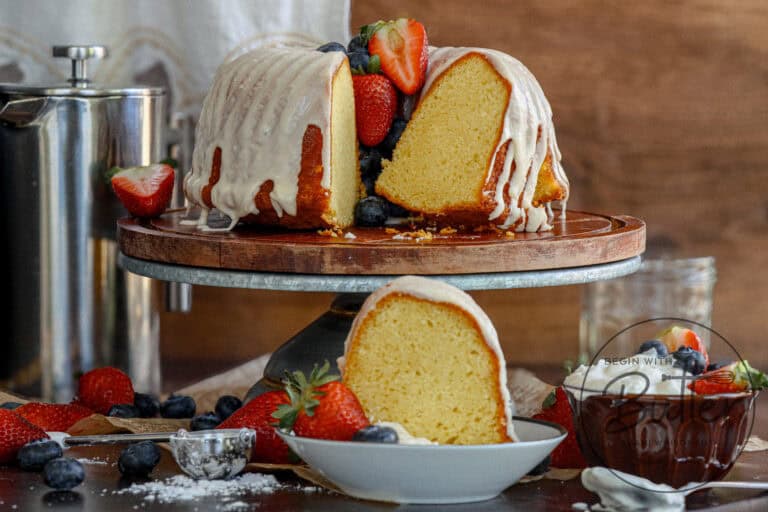
Dearest BB, this classic cake has graced Southern tables for generations, filling countless kitchens with a promise of something truly special to come (and a particularly beautiful, mouth-watering aroma). While I adore using vanilla bean for how it elevates the classic flavor with those beautiful specks and deep, complex notes, pure vanilla extract works beautifully here too – creating a cake that’s equally rich in both flavor and tradition.

That first bite tells a story that connects generations: a perfect balance of cream cheese tang and sweet vanilla, a golden crust giving way to the most incredibly moist interior. This is the cake that your grandmother made for Sunday suppers, that your mama served at holiday gatherings, and that you will now serve to little ones who are positively giddy with anticipation. Every family has their special memory of this beloved cake – whether it’s licking the spoon as a child or sharing that first perfect slice – and BB, now it’s your turn to create those sweet moments in your own kitchen. 🤍

Recipe At-A-Glance

Prep Time: 40 minutes

  • 20 minutes for mise en place (make sure your ingredients are room temperature before you start!)
  • 20 minutes for mixing and pan preparation

Total Time: 80-90 minutes

  • Cook Time: 55-65 minutes
  • Yield: 18 servings

Key Temperatures:

  • Final internal temperature: 212°F
  • Oven: True 325°F

Storage:

  • Can be stored, covered at room temperature for 3-4 days.
  • Can be frozen (without glaze) for up to three months)

Skill Level:

  • Beginner to Intermediate

Dietary Notes:

  • Vegetarian
  • Contains dairy, eggs, and gluten
  • No nuts

Other Notes:

  • You can finish this cake with Cream Cheese Glaze instead!
  • For an even more classic finish, dust the completely cooled cake with confectioner’s sugar and serve!

Ingredients in this Cream Cheese Pound Cake

In this special section, we’ll explore how each ingredient contributes to making this the most delicious cream cheese pound cake you’ve ever made. While it might be tempting to skip this section, it’s key to baking growth. Understanding the role that each ingredient plays will help you feel much more confident and in control when you’re baking!

All-Purpose Flour is the foundation of your cake’s structure; when flour mixed with liquid ingredients, it forms gluten strands that create the building blocks for our cake. That gluten gives us a perfect pound cake texture – substantial enough to hold its shape, yet tender enough to melt in your mouth.

Cream Cheese & Butter are the heart and soul of this outstanding classic cake! The cream cheese brings a subtle tang and creates that beautifully velvety texture we all love, and it also helps keep this cake moist for days. Butter works alongside it, bringing rich flavor and helping create crucial air pockets during creaming. Room temperature butter and cream cheese matters deeply here – both need to be truly room temperature (you should be able to easily press your finger into them) to work their magic. For room temperature, I typically leave butter and cream cheese on the countertop for 2-3 hours.

Sugar isn’t just about sweetness – like flour, it also has an important job in creating cake structure! During creaming, those sugar granules create tiny air pockets in your butter and cream cheese mixture, which later trap gas from your leavening agent (baking soda) and help your cake rise beautifully. As your cake bakes, sugar also creates that gorgeous golden crust and helps lock in moisture. Oh yeah! And it also sweetens your cake!

Eggs work double duty in this cake! The yellow yolks make the cake rich and soft, while the protein-filled whites also help give the cake its structure. Adding them one at a time lets each egg mix in properly without flooding your batter, and that means a better texture in your final cake. Once again, make sure your eggs are room temperature for the best results!

Buttermilk’s natural acidity works with the baking soda to help your cake rise beautifully, while also making your cake exceptionally tender by gently tenderizing the tough proteins in flour. Additionally, the tanginess of the buttermilk The result? That perfectly moist, tender crumb we dream about.

Vanilla Bean (or Extract) brings warmth and depth to your cake. A vanilla bean gives you those beautiful specks and an intense, complex flavor, but pure vanilla extract works wonderfully too – both options will make your toes positively curl in delight!

Kosher Salt enhances every other flavor while balancing sweetness. Without salt, this cake will become way too sweet. And yes, sweet BB, the small amount of salt in this recipe definitely impacts sweetness!

Baking soda works with the buttermilk’s acidity to create the perfect rise and tender texture. When the two are combined, it creates carbon dioxide that effectively inflates your cake!

I hope this little tutorial helps you feel so much more confident as you make this classic stunner! 💝Let’s get into this recipe, shall we?

Special Techniques for this Cream Cheese Pound Cake

BB, there are some foundational techniques that will help you make the best pound cakes of your life. Luckily, here at Begin with Butter, there’s tons of content that will help you confidently create the most decadent, beautiful, and consistent bakes that you’ve ever done. Got a few minutes? Grab your coffee and pull up a chair! (Or, bookmark for later so that you can take a look when you have some time!)

The Recipe

This cake is a link between all of the generations of women in my family; while this version isn’t my mother’s, I truly relied on taste and scent memory in my quest to recreate her incredible recipe.

This classic recipe is absolutely perfect for any and all occasions, from Sunday dinners to…Thursdays. The scent will make you think of all of the wisdom that you got from the aunties in kitchens long ago, while the cake itself will positively melt on your tongue. It’s my hope that this cake hits all of the best notes for you, BB. When you make it, don’t forget to tag me on Instagram so that I can share your success!

Enjoy BB!

Do you love vanilla pound cake? Check out these other vanilla pound cake offerings from Begin with Butter!

Whole Wheat Banana Bread

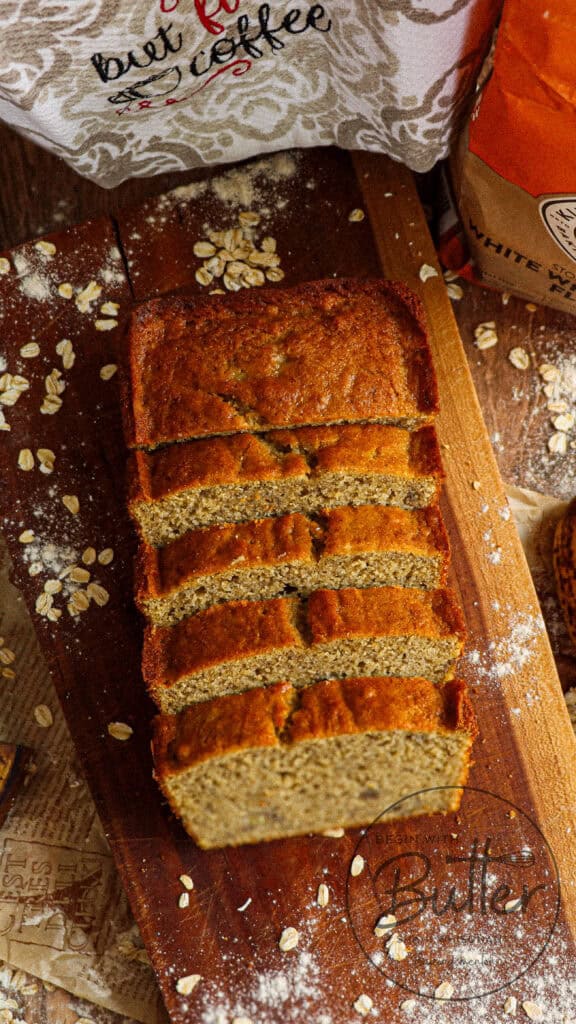
Up next in our “Healthy-ish January: Whole Wheat Banana Bread! 

Let’s be honest: sometimes, when we think of “healthy-ish” baking, we think of flat flavor, unsavory texture, and an overall “blech” experience. 

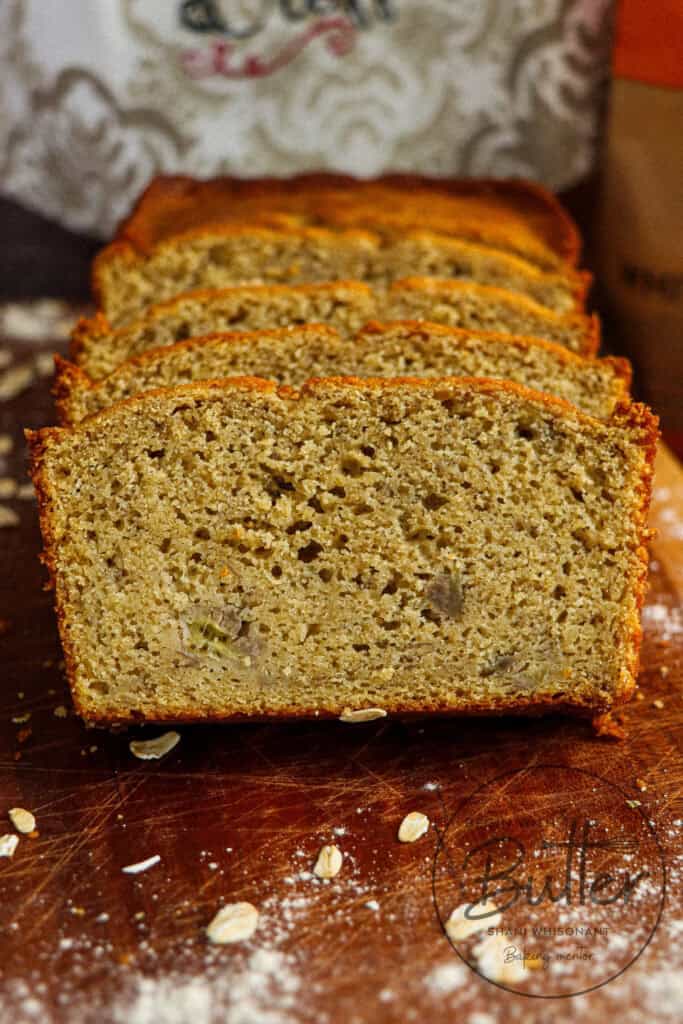
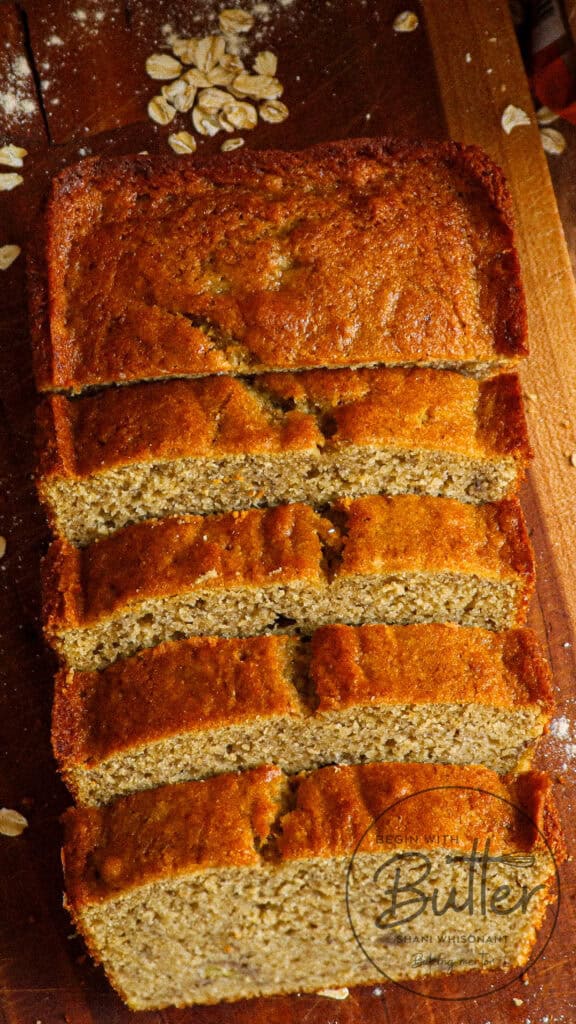
BB, this 100% Whole Wheat Banana Bread is anything. but. that. Not only is this my favorite whole wheat banana bread, it is actually my favorite banana bread periodT. Full stop. This is the banana bread that I have been searching for since the beginning of Begin with Butter. And it is now here for you to enjoy.

In this Post

About this Whole Wheat Banana Bread

Banana bread is such a classic. It’s appeared on tables everywhere; it’s a staple for birthday breakfasts, Galentine brunches, snowy Sundays, and every opportunity in between. 

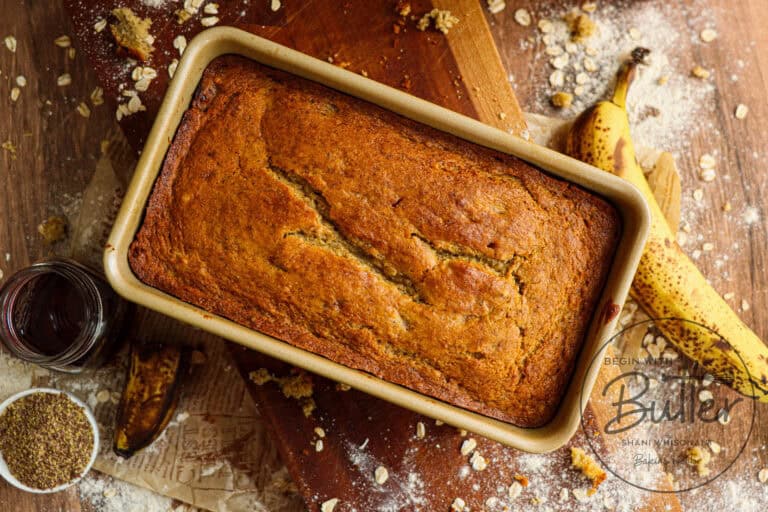
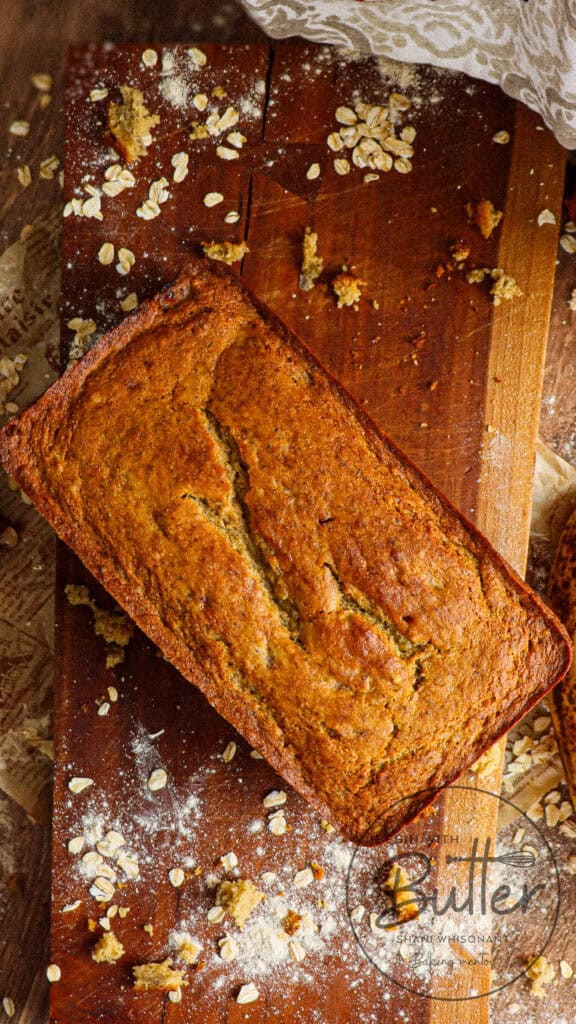
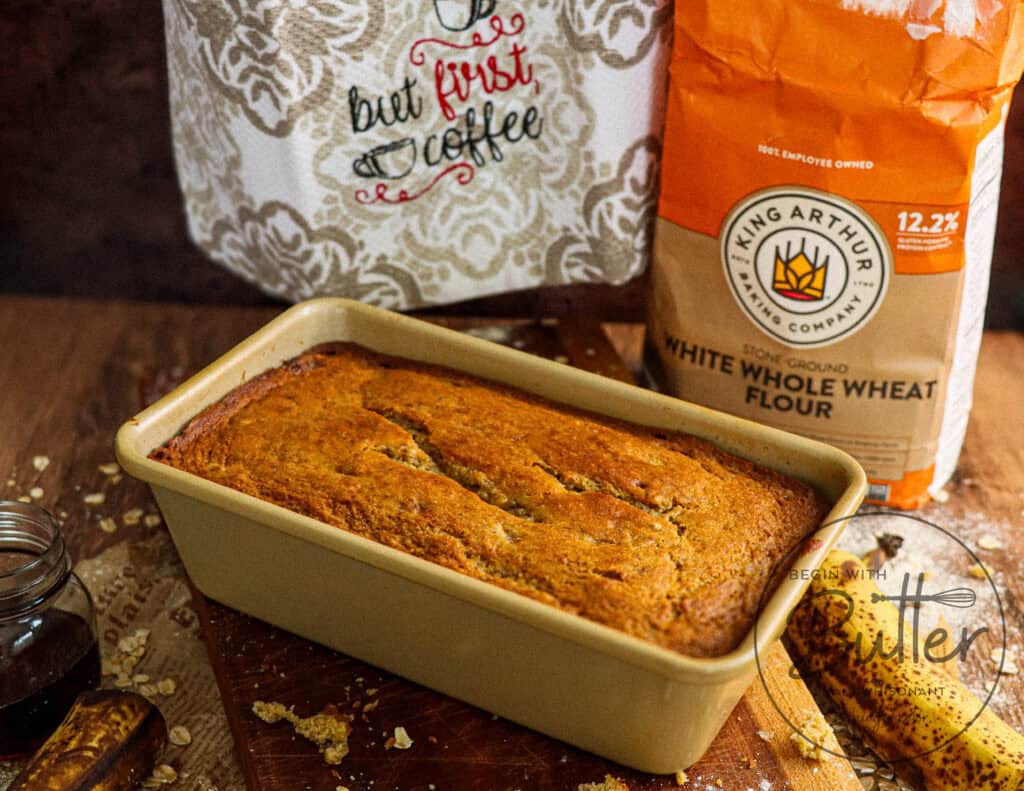
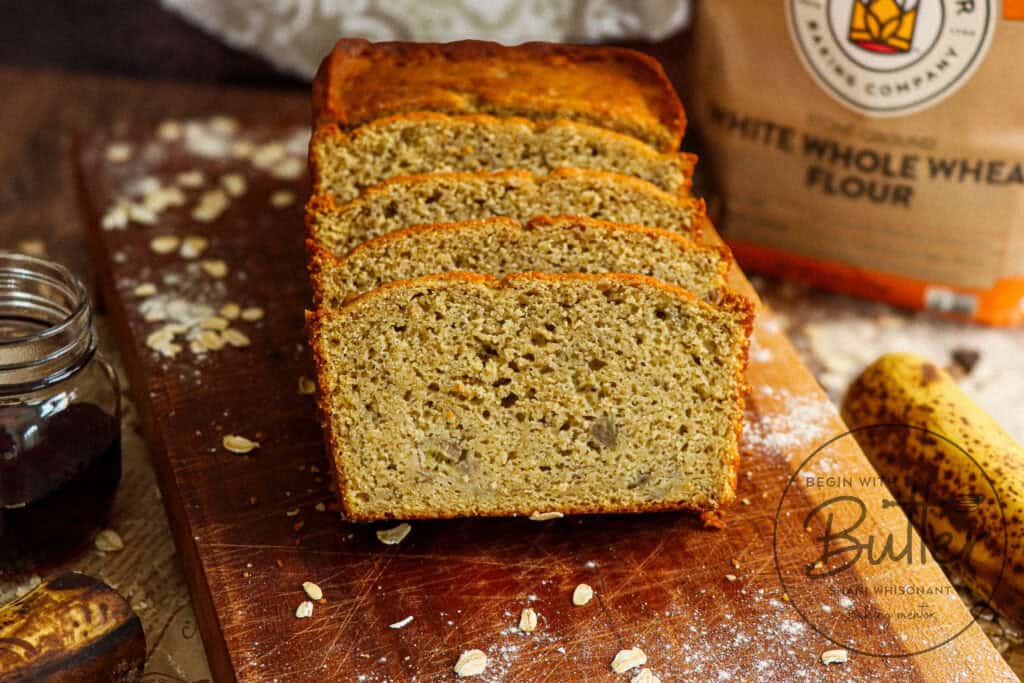
When I think about this banana bread, even now, I just take a deep breath and smile. When it comes out of the oven, it’s such a beautifully domed and caramelized loaf, usually featuring my favorite signature crack down the middle. When you open the oven door, the smell is utterly tantalizing, intoxicating you with beautiful banana flavor that’s embellished by the optional maple syrup. It’s going to take all of your patience to wait for this banana bread to cool, but wait you must. As it cools, those flavors simply merge together, in a perfectly layered multi-part harmony that will sing on your tongue. Every sense will be piqued as you finally bring this delightful banana bread to your lips. And you will be absolutely transported to a banana oasis when you taste it.

Recipe At-A-Glance

Prep Time: 25 minutes

  • 5 minutes for measuring and prepping remaining ingredients
  • 10 minutes for flax egg preparation
  • 10 minutes for milk souring

Total Time: 80-90 minutes

  • Cook Time: 55-65 minutes
  • Yield: 1 loaf (8½” x 4½” pan)

Key Temperatures:

  • Final internal temperature: 210°F
  • Oven: True 350°F

Storage:

  • Best made a day ahead for optimal flavor
  • Can be frozen in individual slices for up to 2 months

Skill Level:

Beginner to Intermediate

Equipment Needed:

Dietary Notes:

  • Recipe written with flax eggs, but can use 3 room-temperature chicken eggs
  • Can be made vegan with oat milk, vegan butter and flax eggs
  • Nuts are optional (suitable for nut-free kitchens)

Ingredients in this Recipe

When you understand the science of ingredients, you’ve unlocked a super power! Let’s take a brief but fun trip to learn the scientific secrets behind each ingredient, so that you can not only make this banana bread, but deepen your baking knowledge as a whole. 🍌

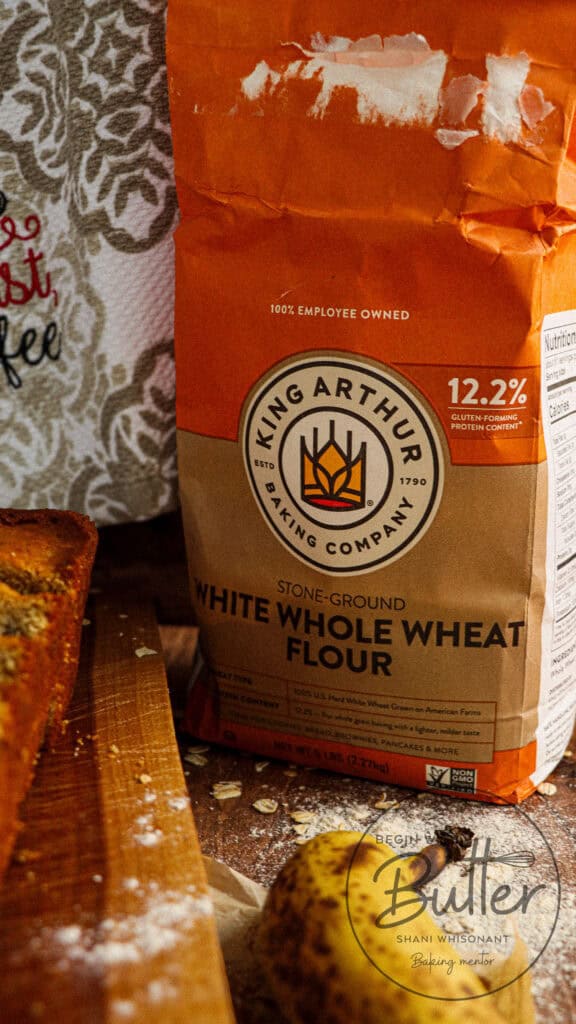
White Whole Wheat Flour: Made from hard white wheat berries, this flour gives us all the nutritional benefits of whole wheat with a lighter, less bitter taste than traditional red wheat flour. If using red wheat flour instead, combine 127 grams of whole wheat flour with 144 grams of all-purpose flour for the perfect texture.

Leavening (Baking Powder & Baking Soda): This dynamic duo not only creates our beautifully domed loaf, but also promotes that gorgeous golden-brown caramelization we love so much on the top and sides of our banana bread.

Kosher Salt: More than just a flavor enhancer, salt is crucial in developing proper gluten structure and bringing out the complex sweetness of our ripe bananas. It also helps balance the natural sugars and creates depth in our final loaf.

Butter: We use melted butter here for good reason – when combined with sugar early in the mixing process, it helps create a tender crumb and adds richness. Vegan butter works beautifully too, making this recipe adaptable for all bakers.

Granulated Sugar: Working in harmony with our ripe bananas, the sugar doesn’t just sweeten – it helps create that gorgeous golden-brown crust and contributes to the bread’s moist, tender texture.

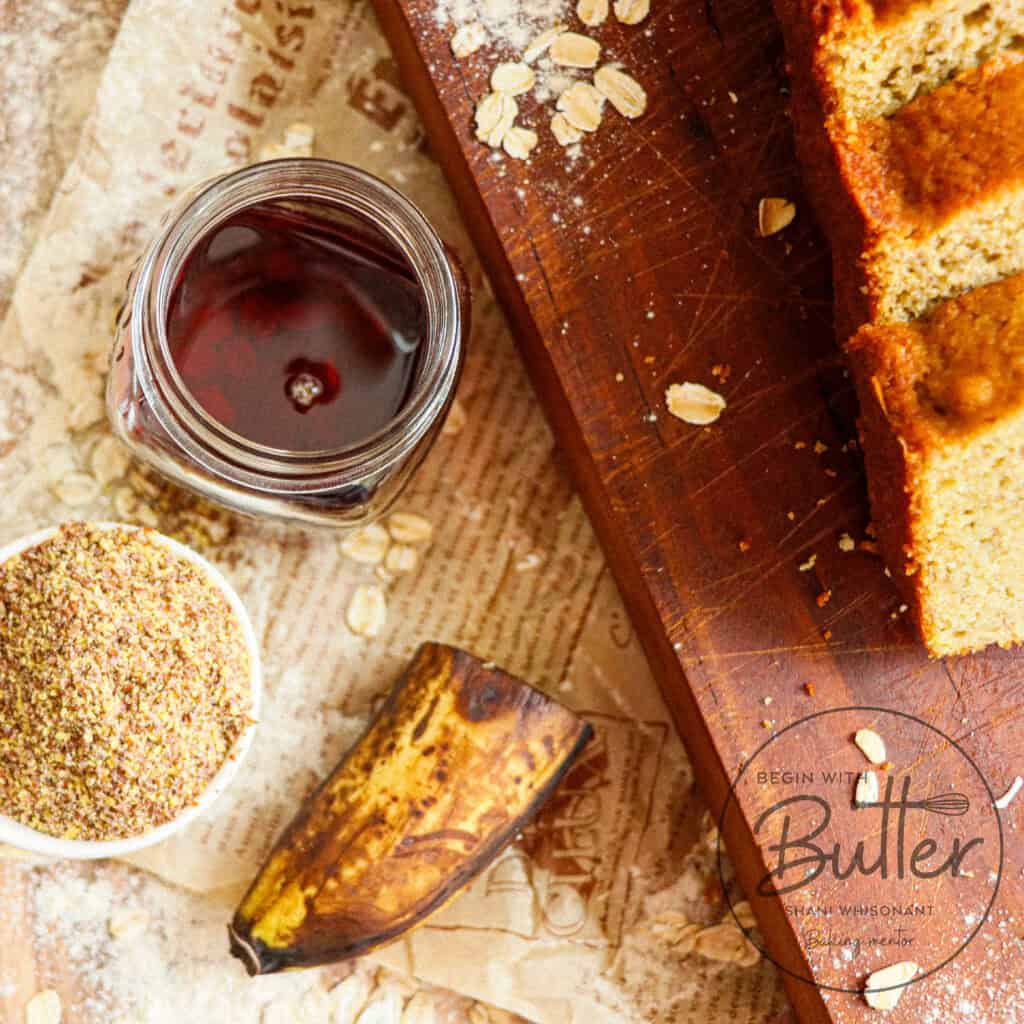
Flax Eggs: Just like chicken eggs, flax eggs provide structure and binding through their protein content, while also adding moisture to create that perfect banana bread texture. When ground flax seeds mix with water, they create a gel-like structure that mimics the proteins in egg whites, giving us the same wonderful results. This makes them a perfect swap for traditional eggs in our recipe.

Chicken Eggs (Alternative): Not into flax eggs? No worries! Three room-temperature eggs work perfectly here – just make sure they’re room temperature before mixing.

Vanilla: Whether you choose extract or fresh vanilla bean, this ingredient amplifies the banana flavor and adds wonderful aromatic complexity to our bread.

Milk: From whole milk to oat milk, your choice adds moisture and proteins that help create that perfect tender crumb. Each type brings its own subtle flavor notes to the final loaf.

White Vinegar: When combined with milk, it creates a DIY buttermilk that’s actually more acidic than store-bought buttermilk, which means it tenderizes our whole wheat flour even better! Skip the store-bought buttermilk here – our homemade version brings the perfect level of acidity for the most tender banana bread texture.

Maple Syrup (Optional): More than just sweetness, maple syrup brings incredible depth and complexity to our banana bread, while helping maintain that perfect moist texture. Its caramel notes create an amazing flavor harmony with our ripe bananas that’s truly worth the splurge.

Ripe Bananas: While you can “ripen” bananas in the oven, naturally ripened bananas (from heavily spotted to completely black) provide the best, most complex banana flavor. They don’t just provide sweetness – they’re crucial for that perfect, moist texture we all love in banana bread.

Nuts (Optional): Whether you choose pecans or walnuts, they add a delightful textural contrast and nutty flavor that complements the banana perfectly. But feel free to skip them for a nut-free version – this bread is delicious either way!

Banana Extract/Liqueur (Optional): This secret ingredient can boost the banana flavor, especially if your bananas aren’t quite as ripe as you’d like. It’s optional but adds an extra layer of banana goodness.

Techniques Used in this Whole Wheat Banana Bread

Working with whole wheat can make even seasoned bakers question their abilities. Fear not, lovely BB! I’ve created a how-to video to help you see the important textures and techniques that I use in this recipe.

Want more guidance on techniques after watching this video? Check out these amazing posts on the BwB site!

These resources will help you go forward with confidence as you make this incredible recipe. They will help you make this banana bread your absolute favorite banana bread recipe of all time.

Frequently Asked Questions

How do I keep this banana bread from becoming really dense?

Whole wheat flour contains nutrients (yay!) that can make anything more toothy and dense. Indeed, that’s part of whole wheat flour’s charm! It’s also why I’ve chosen whole wheat flour as the star of the show during healthy-ish January!
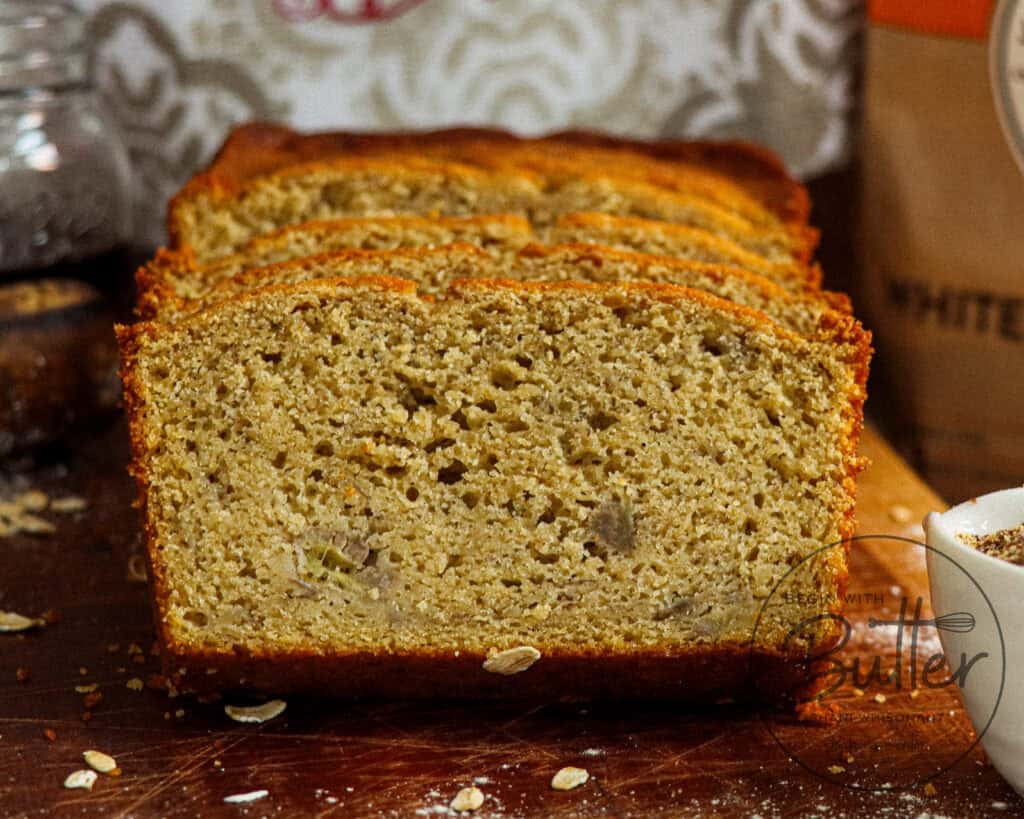
To avoid this loaf becoming dense or heavy, just remember that gentle is the name of the game once you mix the wet and dry ingredients. The more you work the flour, the more gluten development you’ll get, and the more dense and chewy you’ll make the bread. Additionally, once the bananas are added, make sure to gently fold them into the batter, so that you don’t accidentally over-mix that flour!

Slow, gentle, steady mixing is key.

Are these healthy? Or just “healthy-ish”?

This banana bread is healthy-ish. While it uses a healthier flour and offers options for flax eggs, vegan butter and oat milk, it still uses wheat flour and sugar. This isn’t a diet food, but it’s part of a balanced diet, and it’s designed to help you feel full longer than a traditional piece of banana bread would, while absolutely hitting all the right delicious notes that will keep you from feeling deprived.

Got more questions? Feel free to send an email to bakingbestie@beginwithbutter.com and you’ll get a real answer from a real person! We’re here to help you improve your baking knowledge so that you can be a more confident baker with all of your future bakes!

The Recipe

Conclusion: It’s Not Just My Favorite “Whole Wheat Banana Bread”

There’s a common misconception that choosing whole wheat means compromising on taste or texture – that somehow, choosing a “healthier” option means accepting less satisfaction. But this banana bread completely shatters that myth. With its perfectly moist crumb, deep banana flavor enhanced by maple syrup and vanilla, and that gorgeous golden-brown crust, this isn’t just a “good whole wheat banana bread” – it’s become my absolute favorite banana bread, period. 

Whether you’re enjoying a slice warm from the toaster oven for breakfast, serving it to friends at coffee, or wrapping it up as a heartfelt homemade gift, this recipe proves that wholesome ingredients can create something truly extraordinary. This is the kind of recipe that becomes a kitchen staple, the one your family requests by name, and the one that’ll fill your home with the most incredible aroma every time you bake it. It’s not just a healthier alternative – it’s simply the best version of banana bread I’ve ever made, and I hope you make splendid memories while enjoying this special classic.

Don’t forget to tag @beginwithbutter on Instagram when you make this tremendous recipe so that I can celebrate your baking wins with you! Got questions? You can always email me at bakingbestie@beginwithbutter.com and get a real answer from a real person!

See you next time, BB!

Recipe Writing for Beginners

2

Welcome to Begin with Butter! This blog is your 360° blog for all things baking. We encourage you to come for the recipes, and stay a spell to take in all of the wonderfully fun content about baking techniques, ingredient science, and equipment recommendations! Today, I’m excited to share recipe writing for beginners with you. In this post, you’ll learn some of the most important tips that will help you write incredible recipes for future generations of bakers. You’ll be a part of an amazing club of food historians, and I can’t wait to welcome you.

Baking is an incredibly rewarding and fun activity that spans generations: so many of us have fond memories of watching our mothers and grandmothers be the queens of their kitchen domains. Some of us even remember our mothers and grandmothers, in loving script, carefully writing recipes on a 4”x6” index card so that they could give those recipes to their friends and family members. 

What a special gift it is to see, even today, those handwritten recipes still in the family’s rotation. Friends, when I see my mother’s recipes from the 80’s in my aunt and uncle’s kitchens, it just…transports me. 

We still need those recipes today. And today, I’m going to give you seven tips for how to get started writing recipes that your family will cherish for many years to come.

In this Post:

Recipe Writing: The Primary Goals

BB, when I sit down to write a recipe, I want to write for clarity. If my recipe reader cannot make heads or tails of a recipe because it’s convoluted, confusing, or incomplete, then I haven’t done my job as a recipe writer. So, writing a clear recipe that helps people feel confident about the recipe that they’re about to embark upon (and the ingredients they’re about to expend) is the most important part of my job.

Do mistakes happen? YES! All the time! But the good news is that we can always correct those mistakes to make our recipes even better. If we begin with clarity in mind, though, it will help us as we write those recipes, whether we’re using a keyboard or a pen.

There’s a second, sweeter goal that I keep in mind when I write recipes. You see, when you commit a recipe to paper (or a blog 😊), you are creating something that is part of recorded human history. And that is no small thing. ❤️

Think about it. One of the primary foundations of your family, your culture, and your history is the food that you grew up with. And many of the foods that help you identify with your family, culture, and history are foods that have done the same wonderful thing for generations of your family members before you. But how have those recipes survived hundreds (or thousands) of years?

They were passed from hand to loving hand until they reached yours. In more modern, recorded history, those recipes have often been written on index cards, in careful script, by the keepers of those recipes, the caretakers of those recipes, and they have been passed down to future generations. Those women (in my family, these are all women, but there are some men who have done this too) are mothers, grandmothers, aunts, and food historians. And, by joining the ranks of recipe sharers, you are joining a special group of people who are dedicated to maintaining food culture.

Write What You Know

This is age-old advice for writers, no matter the topic. Write what you know. It’s so apropos even in recipe writing, because the ultimate goal of recipe sharing is to share recipes that can be duplicated by hands other than yours. 

There are a few ways to develop the deep expertise that you need to become a recipe expert. First, you can develop that expertise from years and years of watching and studying the people who did the recipe before you. For example, my mother had an OUTSTANDING recipe for collard greens. They were an integral part of my childhood. I watched her process: from the cleaning (oh, the cleaning!), to the creation of the pot liquor, to her special seasonings, to the jalapeno (at the end, Shani!). She taught me, in deep detail, how to make them, what to put in them, and the amount of each ingredient. She taught me how to test the texture and the spice level. She showed me every step that she took with that recipe. And she did that over, and over, and over again. From that “training”, I could easily and confidently write a collard greens recipe on a 4”x6” index card and share it.

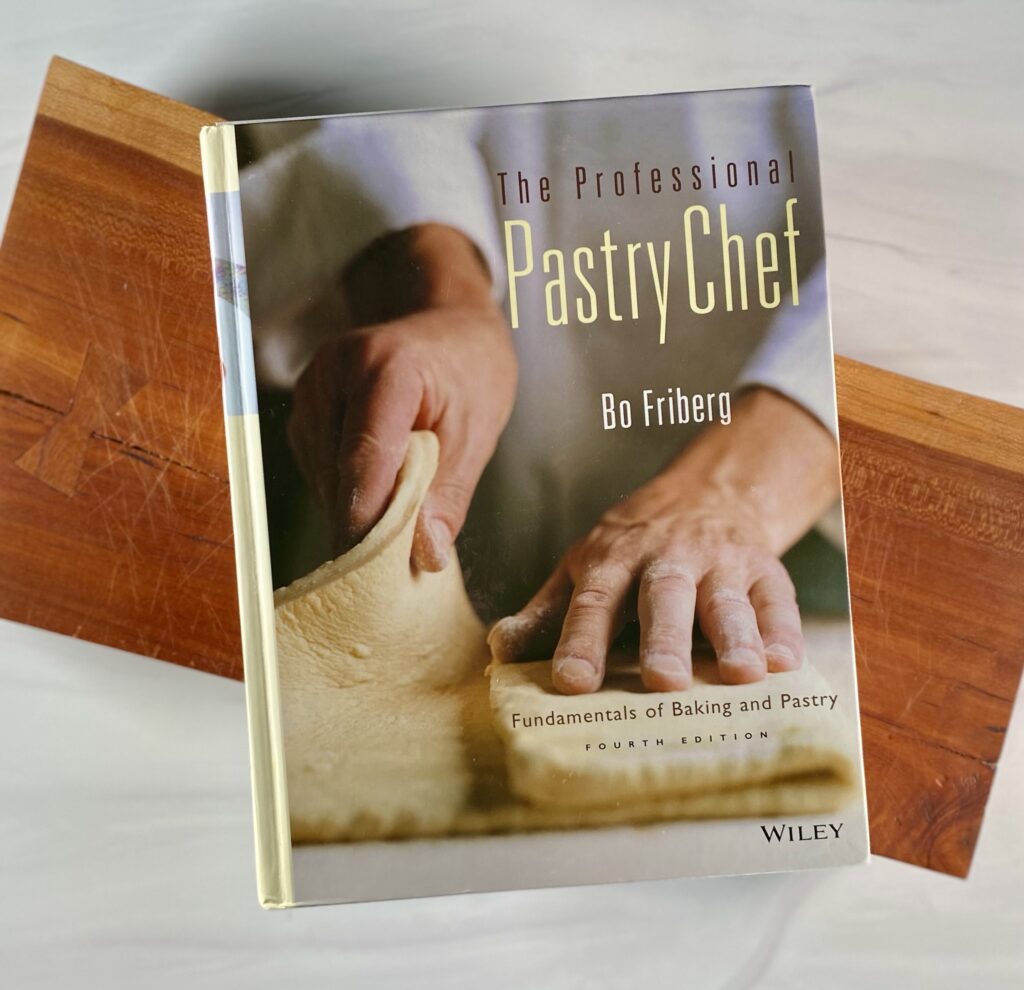
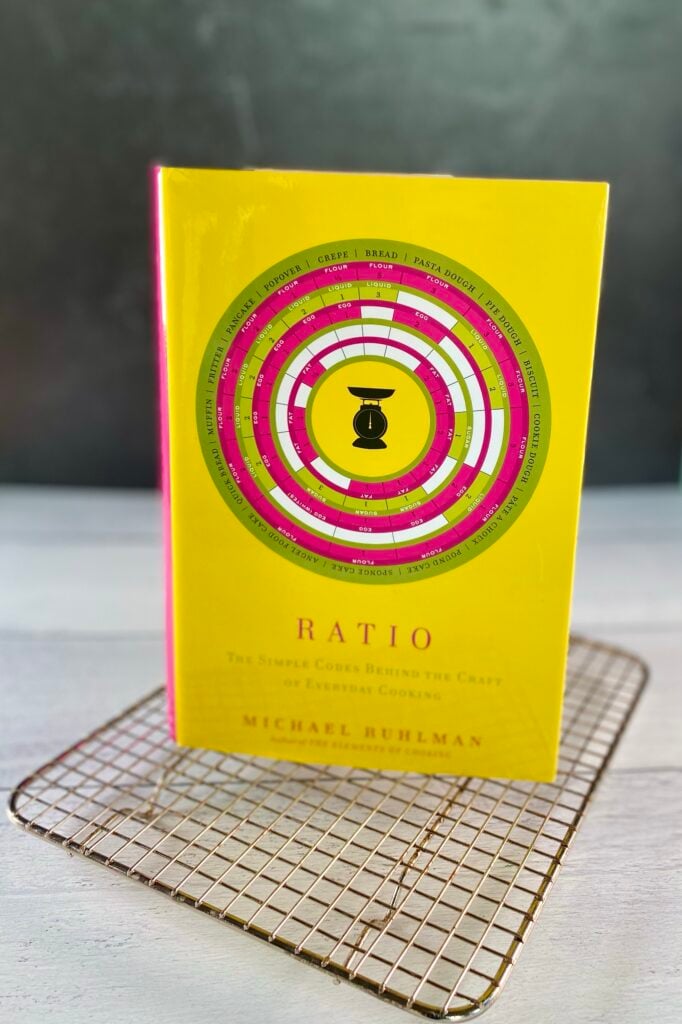
The next way to develop deep recipe knowledge is through real study of a topic. I’m not talking about bouncing around the internet, looking for resources; I mean dedicated, focused study of the thing that you’re trying to learn. My baking career falls solely into this second category. You see, I was unable to learn baking from my mother because her teaching style and my learning style just wouldn’t click. So, I dove into textbooks (The Professional Pastry Chef and Ratio are must-reads!) and made a focused, concerted effort to methodically learn the ins and outs of baking from a professional perspective. It took years of study and practice, but now I can confidently write a Lemon Pound Cake recipe that can successfully be duplicated in home kitchens across the world.

Finally, you can do a hybrid of the two! When I wanted to write my Baba au Rhum Pound Cake recipe, I consulted a legitimate Italian baker and learned about the intangibles that make that dessert so special. Then, I studied the components of that dessert extensively and tested it more times than I can remember. When it was finally ready for the blog (as part of the Twelve Days of Pound Cake 2023 event), I knew that I had a cake that paid careful homage to the original recipe, while also being a respectful BwB version of that recipe. 

I say all of this to say, if you don’t know something, it’s perfectly fine to learn it! Your lack of expertise and experience now doesn’t mean that you’ll be banned from writing a recipe once you learn what you need to know. So, go forth and learn! It’s truly one of the most fun parts of this job.

Test Your Recipes First

This one might not be intuitive! You see, sometimes, when we’ve made something a few dozen times in our lives, we could literally stand there and make it blindfolded. And while we might unconsciously reach for the right measuring spoons every single time to execute the recipe (this is literally me with my taco seasoning recipe), when asked to write down specific recipe amounts, we might go completely blank.

Seriously. Don’t ask for my taco seasoning recipe because I don’t know. 😂

If you’re going to start writing recipes for other people, I encourage you to put your recipes through an actual recipe testing process. Write down the recipe before you start. Make the recipe according to your own directions, following your own recipe amounts (don’t cheat!). Tweak the recipe as necessary (it’s common to find clunkily-written instructions that could be clarified!). When you tweak, though, you should only tweak one thing at a time. That way, if something goes wrong, you know exactly who to blame. (I’m looking at you, cumin!)

For extra credit, make a successful attempt and then do it again to make sure it can be duplicated! This is the absolute best way to test your recipe to make sure it’s ready for prime time.

It’s also the best way to make sure that the recipe that you give your friends and family members has clear instructions that they can successfully execute, as if they were in your kitchen making that recipe with you

So, is it a teaspoon or three tablespoons of dry mustard? Is it ½ teaspoon or a teaspoon of kosher salt? Or is it even kosher salt at all? These are things that you’ll want to work out before you share a recipe with someone else. They need that instruction, and they’re looking to you for help.  

Use Full Recipe Descriptors Instead of Abbreviations

This is a mistake that I am currently correcting on my site, and it is a PAIN. Best practices for recipes dictate that we write full descriptions instead of abbreviations. Some examples:

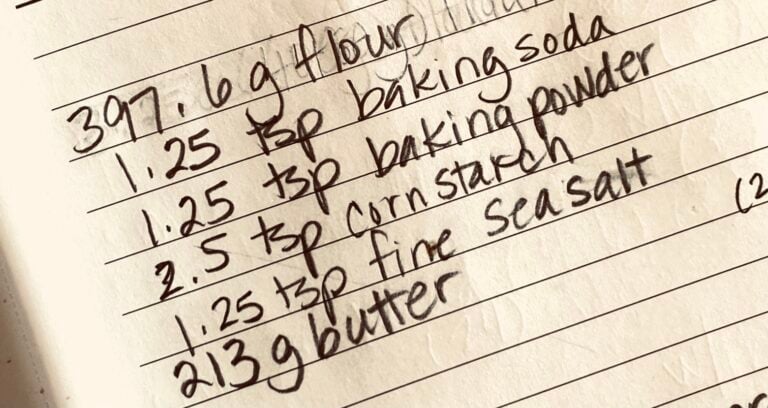
  • tablespoon instead of tbsp
  • teaspoon instead of tsp
  • cup instead of c
  • gram instead of g

The reason is simple: legibility. It’s much easier for readers to decipher “tablespoon” from “teaspoon” than it is for them to decipher “tbsp” from “tsp”. And some readers have not been taught the difference between those two measurements, so having the full words written out will improve reader understanding.

Say it with me: reader understanding is the goal in recipe development.

Don’t be like me and wait until you have almost 200 recipes on your site to correct this error. If you start this way, it will be much easier down the road. 🤗

Pick Your Default Measurement System and Use it Consistently

There are two measurement systems that recipes commonly use: Imperial (think: cups) and metric (think: grams). And, listen BB, while I am an evangelist for metric measurement in baking, these are your recipes. That means, it’s up to you to decide whether you want to use Imperial or metric measurements in your recipes.

There are millions of recipes written either way. This is not my decision (or anyone else’s) to make for you! Remember what I said about writing what you know? Well, that extends here too. While you can always build your skillset with the other measurement system and change the game later, when you’re starting, use what you’re most comfortable with, and, most importantly, what will help your recipe reader replicate your recipes.

Pay Attention to the Order of Ingredients Listed

This is yet another thing that helps recipe readers gain clarity! When you’re writing a recipe, the order of ingredients is also very important! 

There are two places where the order of ingredients matters: if you have a number of ingredients that need to be combined (think: dry ingredients in baking), you should list them all together, differentiated by the weight or volume amount. So, for example, when I’m listing my ingredients for my Vanilla Pound Cake recipe, the dry ingredients look like this:

  • 384 grams (3 cups) all-purpose flour
  • 1 teaspoon kosher salt 
  • ½ teaspoon baking soda

The dry ingredient with the largest quantity (all-purpose flour) is listed first, and the dry ingredient with the smallest quantity (baking soda) is listed last.

The other order of ingredients that matters is this: your recipe should be written in a way that uses ingredients in the order that they are used in the recipe. Going back to the Vanilla Pound Cake recipe, here are the ingredients:

  • 384 grams (3 cups) all-purpose flour
  • 1 teaspoon kosher salt (or 1/2 teaspoon fine salt)
  • 1/2 teaspoon baking soda
  • 227 grams (1 cup) unsalted butter, room temperature
  • 500 grams (2 1/2 cups) granulated sugar
  • 6 eggs, room temperature
  • 1 tablespoon vanilla extract
  • 250 grams (1 cup) buttermilk, room temperature

As we said before, the dry ingredients appear at the top of the recipe, together (and in order of weight/volume). The other ingredients are listed in the order that they’re used in the recipe! Once again, that will help you create clarity for your readers. When they’re doing their mise en place, they’ll be able to line up their prepped ingredients in the order that they will go into the recipe.

It’s a win for everyone!

Just. Start.

Friends, I know it can feel daunting to put that first recipe on paper. You might worry about getting the measurements exactly right, or whether your instructions are clear enough, or if you’re “qualified” to join the ranks of recipe writers. But here’s the beautiful truth: every single recipe writer, from your grandmother jotting down her famous cookie recipe to Julia Child herself, started exactly where you are – with that first recipe.

Will your first attempt be perfect? Probably not! And that’s absolutely okay. My first written recipes needed plenty of tweaking (just ask my poor taste-testers!). But here’s what’s far more important than perfection: every recipe you write helps preserve a piece of culinary history that might otherwise be lost forever. Think about it – how many family recipes have already disappeared because someone thought “I’ll write it down later” or “I’m not ready yet”?

You are already part of the grand tapestry of food history. Every time you make your great-aunt’s signature dish or modify a classic recipe to make it your own, you’re contributing to that legacy. By writing down your recipes, you’re not just preserving them – you’re passing forward the love, memories, and flavors that make our culinary heritage so rich and beautiful.

So grab that index card, open that laptop, or pull out that notebook. Start with the recipe you know best, the one that makes you smile, the one your family always requests. Write it down, test it, refine it. And if you need help along the way, remember that you’re not alone on this journey. Reach out to me at bakingbestie@beginwithbutter.com – I’d be honored to help you preserve your piece of culinary history.

After all, the most precious family recipes aren’t the ones written perfectly – they’re the ones written at all.

I hope you find this encouraging and helpful on your recipe development journey! I’m here to help you in any way that I can.

Hi! I’m Shani!

My name is Shani Whisonant, and I’m the Chief Butter Ambassador and owner at Begin with Butter and the Begin with Butter Home Baking Academy. I’m serious about your baking achievement. 😊 Whether you’re here for a recipe or you’re wanting to solve a baking conundrum, I’m here to help you!